
Fauci invokes Fifth Amendment in contentious Senate hearing on COVID origins
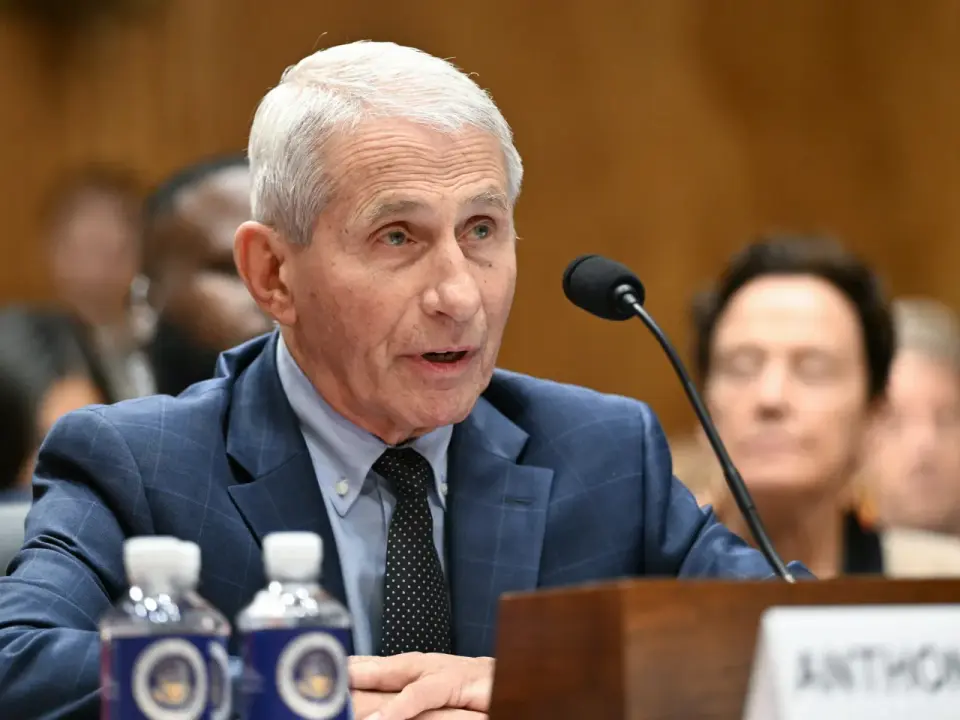
Dr. Anthony Fauci invoked the Fifth Amendment more than 100 times during a tense Senate hearing, refusing to answer questions about his role in the COVID-19 pandemic. Republicans, led by Sen. Rand Paul, accused him of misleading Congress about virus origins and gain-of-function research, while Democrats called the hearing a partisan spectacle. Fauci’s lawyers argued that testifying could expose him to new perjury charges, despite a 2025 pardon from former President Joe Biden. The hearing ended with Paul threatening a contempt vote, deepening political divisions over pandemic policy and scientific credibility.
Key points
- Fauci invoked the Fifth Amendment over 100 times, refusing to answer questions about his pandemic role and COVID-19 origins.
- Sen. Rand Paul accused Fauci of misleading Congress about NIH-funded research in Wuhan and threatened a contempt vote.
- Fauci’s lawyers argued that testifying could expose him to new perjury charges, despite a 2025 pardon from Biden.
- Democrats called the hearing a partisan spectacle, while Republicans framed it as a legitimate oversight effort.
- The hearing highlighted ongoing disputes over COVID-19 origins, with most scientists favoring a natural origin but some agencies suggesting a lab leak.
Background
Fauci, 85, led the US response to COVID-19 and other health crises for decades. He became a target of conservative criticism over pandemic policies, including mask recommendations and vaccines. In 2025, Biden granted Fauci a preemptive pardon to shield him from politically motivated prosecutions. The hearing followed the release of over 1,100 pages of Fauci’s diary, which Republicans claimed showed discrepancies between his private and public statements.
How outlets are covering it
Al Jazeera and AP News emphasized Fauci’s legal strategy and the constitutional implications of invoking the Fifth Amendment, noting that the pardon does not protect him from new crimes like perjury. CNN highlighted the partisan nature of the hearing, with Democrats calling it a 'crusade' against science and Republicans framing it as a legitimate oversight effort. The Washington Post focused on the legal wrangling and the potential for a contempt vote, noting that Fauci had never invoked the Fifth before in over 250 congressional appearances. All sources agreed that the hearing deepened political divisions and did little to resolve the dispute over COVID-19’s origins.
Why it matters
The hearing underscores the ongoing political battles over pandemic policy and scientific credibility in the US. It highlights the tension between congressional oversight and legal protections, as well as the deep divisions over COVID-19’s origins. The outcome could set a precedent for how former officials are held accountable for their actions during public health crises, with potential implications for future pandemic responses and the role of science in politics.
What to watch
Sen. Rand Paul plans to vote next week on whether to hold Fauci in contempt of Congress. If approved, the case could be referred to the Justice Department for possible criminal prosecution or pursued through civil action. Fauci’s legal team will likely challenge the contempt vote, arguing that the Fifth Amendment protects him from self-incrimination. The hearing may also lead to further political attacks on Fauci and other public health officials, as Republicans seek to validate their claims about COVID-19’s origins.
- Why did Anthony Fauci invoke the Fifth Amendment? Senate hearing explained Al Jazeera
- Opinion | What We Really Learned From the Fauci Hearing The New York Times
- Fauci repeatedly invokes the Fifth Amendment in a contentious Senate committee hearing AP News
- Dr. Anthony Fauci repeatedly invokes the Fifth in dramatic Senate hearing about Covid pandemic CNN
- Rand Paul threatens to hold Fauci in contempt after he declines to answer questions The Washington Post
Want the full story? Read the original reporting
Read on Al Jazeera