
Federal-CA Election Standoff Escalates as 28 Charged in Voter Fraud Operation
Federal prosecutors charged 28 California residents under 'Operation Protect the Vote' for alleged illegal voting, while simultaneously suing the state to sequester 20,000 ballots. California officials and independent experts dispute the accuracy of the federal list, noting that nearly 40% of a sampled group were born in the U.S. The legal battle intensifies ahead of the November 3 midterms, with the DOJ claiming the list is a 'floor' and state officials calling the litigation a 'reckless political stunt' that risks disenfranchising eligible voters.
Key points
- Federal authorities charged 28 individuals across California, including 11 in Los Angeles County, with crimes related to voter registration and voting as noncitizens.
- The Justice Department sued California to force the segregation of 20,000 ballots, claiming these individuals are likely noncitizens, though it acknowledged some may be citizens.
- Los Angeles County officials found that 38.9% of a 200-person sample from the federal list were born in the U.S., and 71% had no record of voting.
- Homeland Security officials revealed a 'separate batch' of 17,000 additional potential noncitizen voters, raising concerns about the methodology used to compile the lists.
- California Attorney General Rob Bonta argued the federal government has no authority to purge voter rolls 90 days before an election and that the 28 charges represent a negligible fraction of the 23 million registered voters.
Background
This dispute follows a series of federal enforcement actions in 2026, including arrests in Indiana and Georgia for alleged noncitizen voting. In September, the DOJ charged 16 individuals across seven states for similar offenses. The current escalation in California involves a broader legal challenge to state election security, with the federal government alleging widespread noncitizen registration while state officials maintain that isolated incidents do not justify mass ballot sequestration.
How outlets are covering it
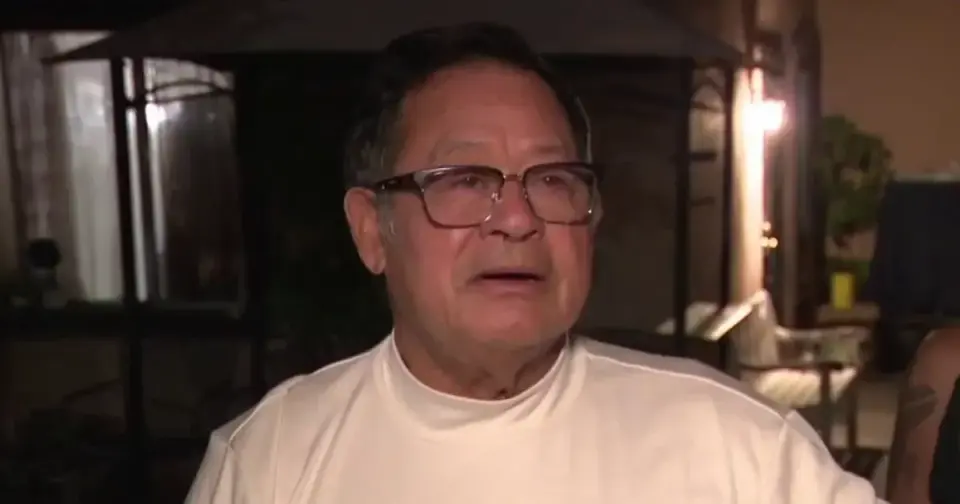
The Department of Justice, led by Acting Deputy Attorney General Trent McCotter, asserts that the 20,000-person list represents a 'floor' of high-confidence noncitizen voters and that California's refusal to verify citizenship is 'willful blindness.' First Assistant U.S. Attorney Bill Essayli called the state's inability to verify citizenship a 'massive concession.' Conversely, California Attorney General Rob Bonta described the lawsuit as 'absurd' and a 'reckless political stunt,' arguing that the federal list is unreliable and that the 28 charges constitute only 0.0001% of registered voters. Independent experts, including Rick Hasen of UCLA and David Becker of the Center for Election Innovation & Research, criticized the DOJ's methodology as amateurish and error-prone, noting that previous similar lists in Nevada and Pennsylvania contained significant inaccuracies. FOX 11 highlighted the personal impact on defendants like Omar Muñoz, who denied registering to vote, while The Guardian and Los Angeles Times emphasized the statistical discrepancies in the federal data.
Why it matters
The outcome of this legal battle will set a precedent for federal authority over state voter rolls in the 90 days preceding an election. If the federal government succeeds in sequestering ballots based on potentially flawed data, it could disenfranchise thousands of eligible voters and undermine public trust in the November 3 midterm elections. The case also highlights the tension between federal enforcement priorities and state election administration, with implications for how noncitizen voting is detected and prosecuted nationwide.
What to watch
The federal court will rule on the DOJ's request for a temporary restraining order and preliminary injunction to sequester the 20,000 ballots. California officials will continue to comply with grand jury subpoenas for about 300 individuals while challenging the broader list. The DOJ may release additional lists of potential noncitizen voters, and the legal dispute is expected to continue through the November 3 election, with potential impacts on the integrity and perception of the midterms.
- Man arrested in California voter fraud bust FOX 11 Los Angeles
- Some on DOJ's 20,000 'likely' noncitizen list in California appear to be U.S.-born NPR
- DoJ’s suspected non-citizens list includes ‘high percentage’ of those born in US, LA officials say The Guardian
- Feds tease new ‘batch’ of noncitizen California voters as L.A. slams previous list Los Angeles Times
- ‘Borders on the absurd.’ California fights Trump lawsuit to set aside 20,000 ballots CalMatters
Want the full story? Read the original reporting
Read on FOX 11 Los Angeles