
Federal Courts Face Off With Trump DOJ Over California Midterm Interference
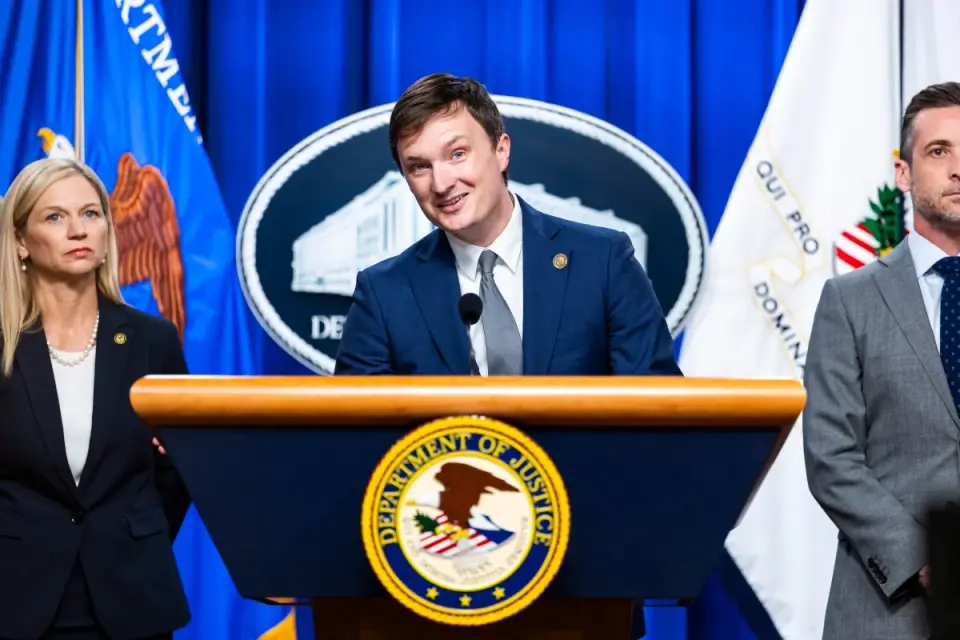
The Trump administration is aggressively challenging California’s midterm elections through federal lawsuits and criminal threats, aiming to suppress votes and create grounds for post-election disputes. While courts have blocked some federal operations, the administration continues to pressure state officials, with Democrats in Congress preparing to counter claims of foreign interference.
Key points
- DOJ sued California to block counting mail-in ballots from alleged noncitizens, violating the 90-day quiet period.
- Federal judges blocked DHS voter fraud operations in multiple states, citing risks of voter intimidation.
- Democrats on intelligence committees are preparing to publicly refute any post-election claims of foreign meddling.
- California officials found that 43% of the DOJ’s flagged voters had canceled registrations and 40% were U.S. citizens.
- The administration’s strategy aims to suppress turnout and create a legal basis to challenge election results.
Background
This escalation follows months of federal attempts to access voter rolls and throttle mail-in ballot delivery. Earlier in 2026, the administration sued 30 states for voter data, with 26 lawsuits dismissed. The current push in California targets a state that recently passed new voting maps, which the administration unsuccessfully tried to block in the Supreme Court. The broader context includes a Supreme Court ruling in 'DHS v. League of Women Voters' that allowed the use of federal databases to identify noncitizen voters, emboldening the administration’s current legal strategy.
How outlets are covering it
TPM and Slate emphasize the immediate legal and operational threats to California’s election, highlighting the DOJ’s use of dubious data and criminal threats against election officials. Slate notes that the lawsuits are likely a political maneuver to seed doubt and create a post-election legal challenge, rather than a genuine effort to stop fraud. NPR focuses on the legislative response, with Democrats on intelligence committees preparing to publicly debunk any claims of foreign interference by Trump. The Washington Post highlights a quieter, behind-the-scenes effort by national security officials to advise state governments on how to prepare for potential interference, indicating a coordinated federal-state response to the administration’s actions. While all sources agree on the administration’s aggressive tactics, they differ in focus: TPM and Slate on the legal battles, NPR on the political counter-narrative, and the Washington Post on the quiet advisory efforts.
Why it matters
The administration’s actions threaten the integrity of the 2026 midterms by potentially suppressing votes and creating a legal basis to challenge results. The use of criminal threats against election officials and the blocking of federal operations by courts highlight the unprecedented nature of the interference. If the administration successfully suppresses votes or creates doubt, it could impact the outcome of the midterms and set a precedent for future elections. The response from Congress and courts will determine whether these efforts succeed or are effectively countered.
What to watch
The DOJ seeks a temporary restraining order by noon on Oct. 22, with a hearing set for Oct. 27. California seeks a hearing on its motion to dismiss by Oct. 30. The DHS field operations are blocked until Nov. 3, but the administration may attempt to exploit loopholes. Democrats on intelligence committees are preparing to publicly refute any post-election claims of foreign interference. The administration’s success will depend on whether it can secure a favorable court ruling or create enough doubt to challenge results. The outcome of these legal battles will likely determine the administration’s ability to interfere in future elections.
- Your Election Interference Fears Were 100% Justified Talking Points Memo
- Top 2 Democrats on Intel say they're preparing for Trump to claim foreign meddling NPR
- U.S. officials privately advise states fearing Trump election meddling The Washington Post
- Trump Is Making One More Play to Screw With the Midterms Slate
- Armies of lawyers prepare to stop interference in US midterms Financial Times
Want the full story? Read the original reporting
Read on Talking Points Memo