
Federal courts scrutinize DOJ’s noncitizen voter lists as midterms near
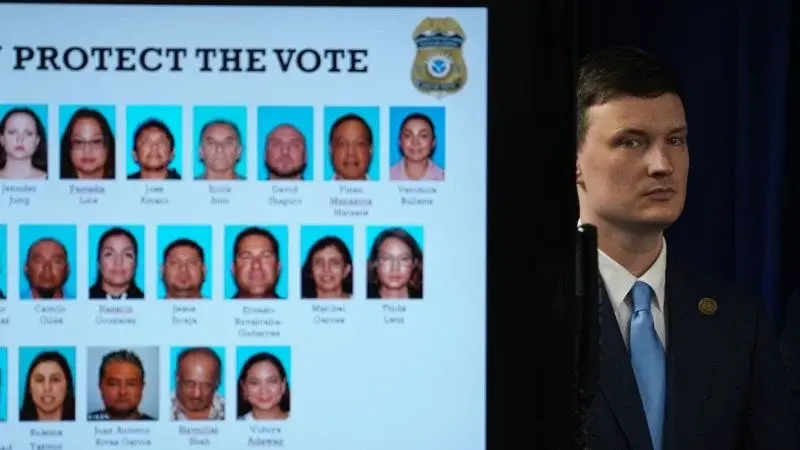
The Trump administration has intensified efforts to block ballots from alleged noncitizens ahead of the 2026 midterms, sending lists to states like California and Washington. While the Justice Department claims to protect lawful votes, state officials and courts question the reliability of the data, which has shrunk significantly under scrutiny. Legal challenges focus on whether federal agencies can override state election laws and the accuracy of the matching methods used.
Key points
- DOJ demanded California set aside ballots for 20,000 alleged noncitizens and Washington for 400, citing 1,500 total votes in past cycles.
- DHS claims 300,000 potential noncitizens nationwide, down from 190,000 in California earlier this year, after manual reviews.
- A 9th Circuit panel rejected DOJ’s emergency appeal in California on procedural grounds, with judges questioning data reliability.
- Judge David Carter appointed a special master to review the data before California’s December 3 deadline.
- Critics argue the lists use outdated data and third-party matching that creates false positives.
Background
This escalation follows earlier DOJ lawsuits against California and threats against election workers in October 2026. The administration has previously sued roughly 30 states to obtain unredacted voter files, losing all such cases so far. The current push coincides with the final days before the November 3 midterms.
How outlets are covering it
CNN and Politico emphasize the unreliability of the federal data, noting that initial claims of 190,000 noncitizens in California dropped to 20,000 after scrutiny. They highlight that state officials found many flagged individuals were citizens or had inactive records. National Review argues that noncitizen voting is a real problem, citing New Jersey’s discovery of 6,600 noncitizens on its rolls, and suggests welfare agency registration loopholes contribute to the issue. SCOTUSblog’s Edward Foley argues that the federal government lacks constitutional authority to interfere with state election procedures, stating that 18 U.S.C. § 611 is unconstitutional because voting qualifications are a state power. The DOJ maintains that its lists are credible and necessary to protect lawful citizens, while state attorneys argue the data is vague and outdated.
Why it matters
The outcome of these legal battles could set a precedent for federal interference in state election administration. If the courts uphold the DOJ’s authority, it may enable broader federal control over ballot counting in future elections. Conversely, a rejection could reinforce state sovereignty over election procedures and limit the administration’s ability to challenge voter rolls based on federal data. The reliability of the data also impacts public trust in the integrity of the 2026 midterms.
What to watch
The special master appointed by Judge Carter will review the data from both the federal government and Los Angeles County. The 9th Circuit’s procedural rejection leaves the district court case pending, with potential appeals to the Supreme Court. The administration may continue to pursue other states with similar demands, while state officials prepare to count ballots by the December 3 deadline. The Supreme Court may eventually rule on the constitutionality of 18 U.S.C. § 611 and federal authority over state election manners.
- Inside the Trump administration’s controversial lists of alleged noncitizen voters CNN
- Trump expands hunt for noncitizen voters with broad subpoena campaign before midterms Reuters
- Trump admin zeroes in on noncitizen voting in final midterm push Politico
- Noncitizen Voting Is a Real Problem — and This Loophole Explains Why National Review
- The Trump administration’s attempt to prevent noncitizen voting and the role of the Supreme Court SCOTUSblog
Want the full story? Read the original reporting
Read on CNN