
Federal Election Interference Sparks Legal Battles and Security Gaps Before 2026 Midterms
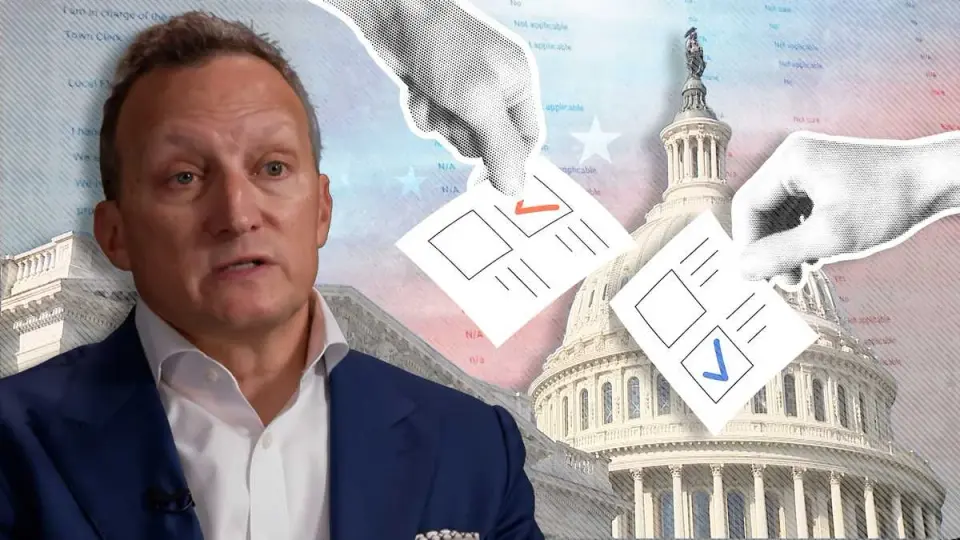
The 2026 midterm elections face heightened tensions as the Trump administration expands federal involvement in voting processes, including demanding voter data, suing states, and reducing cybersecurity support. While officials argue these moves target noncitizen voting, critics and election experts warn of eroded trust and security gaps. Legal challenges and reduced federal resources have left many local election officials feeling unsupported, though the administration maintains its actions protect election integrity.
Key points
- The Justice Department has sued multiple states, including California, over voter roll data and mail-in ballot practices, alleging noncitizen voting.
- CISA has reduced its workforce, with over a dozen election security workers placed on leave, impacting state-level support.
- Federal agents seized ballots from Fulton County, Georgia, in January, sparking concerns about political interference.
- A survey of 430 election officials found reduced contact with CISA and limited access to security services.
- Legal experts confirm the federal government lacks authority to override state election results or impose new voting rules without congressional approval.
Background
Prior coverage highlighted declining approval ratings for President Trump and economic anxieties driving voter desire for change. Recent delays in USPS ballot processing and narrowing margins in likely voter polls have intensified concerns about election integrity and accessibility ahead of the November 3 midterms.
How outlets are covering it
The Trump administration, via DOJ official Harmeet Dhillon, asserts that aggressive investigations and voter roll audits are necessary to prevent noncitizen voting, claiming 278,000 noncitizens are registered. Critics, including California Secretary of State Shirley Weber and Utah Lt. Gov. Deidre Henderson, argue these demands lack evidence and threaten voter privacy. CISA defends its reduced workforce by stating election security remains a priority, while election experts like David Becker warn that federal actions have eroded trust and support for local officials. Legal scholars, such as Derek Muller, emphasize that federal emergency powers do not allow the president to override state election results or disrupt voting processes.
Why it matters
The expansion of federal authority over elections risks undermining public confidence in the 2026 midterms. Reduced CISA support and aggressive DOJ actions could create security gaps and legal disputes, potentially influencing voter turnout and trust in the electoral process. As states resist federal demands, the tension highlights the constitutional balance between federal oversight and state control of elections.
What to watch
The Justice Department plans to deploy over 1,000 federal election monitors for the midterms, though legal challenges from civil rights groups may limit their presence. States continue to resist DOJ demands for voter data, with ongoing lawsuits expected. CISA’s reduced workforce may continue to impact state-level security support, while legal experts anticipate courts will address any attempts to override state election results.
- What federal election changes are raising concerns for the 2026 midterms WBAL-TV
- Federal actions around voting system expand weeks ahead of midterms CBS News
- As Texans vote in competitive midterms, could Trump intervene in the election? Houston Public Media
- How Trump is gearing up to claim that the midterms were rigged The Times
- Top Officials Secretly Sound Alarm on Nightmare Trump Scenario Yahoo
Want the full story? Read the original reporting
Read on WBAL-TV