
Federal Judge Halts Big Bend Border Wall Construction in Preliminary Injunction
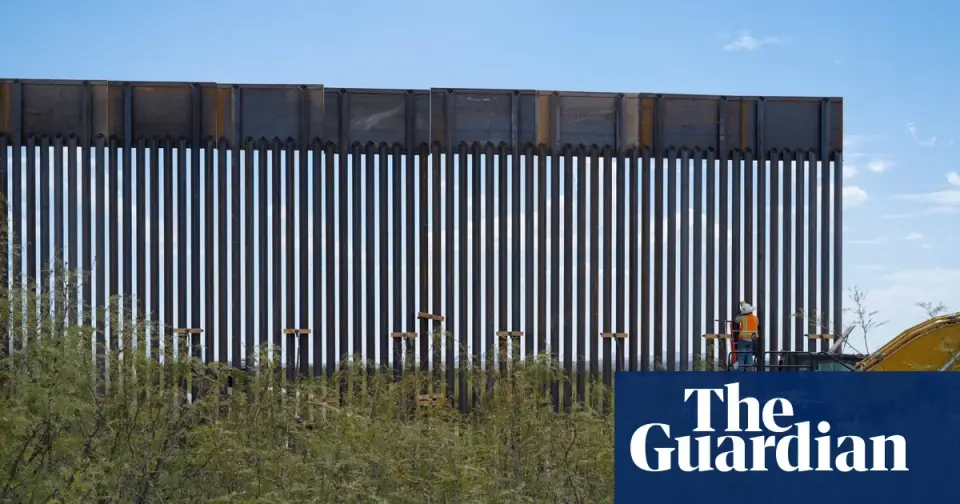
U.S. District Judge Kathleen Cardone issued a preliminary injunction on October 2, 2026, blocking the Trump administration from expanding border infrastructure in the Big Bend region of west Texas. The ruling halts 'ground-disturbing activities' in Big Bend National Park and surrounding areas, citing likely success on the plaintiffs' constitutional claims and the risk of irreparable harm. This decision suspends a $7.5 billion project involving steel bollards, vehicle barriers, and surveillance technology, which opponents argue violates environmental protections and property rights in a remote area with minimal unauthorized crossings.
Key points
- Judge Cardone ruled that the Department of Homeland Security’s waivers suspending environmental and historical protection laws were likely unlawful, granting a preliminary injunction to the plaintiffs.
- The injunction stops all construction and ground disturbance in Big Bend National Park and adjacent areas until the lawsuit is resolved on the merits.
- Plaintiffs, including the Center for Biological Diversity, local landowners, and the Friends of the Ruidosa Church, argued the projects violate separation of powers and deprive citizens of property.
- The Big Bend sector accounts for only 1% to 3% of annual migrant apprehensions, yet the administration allocated over $7.5 billion for infrastructure there.
- CBP stated it remains confident in its legal authorities to secure the border while preserving the landscape, and is coordinating with the Department of Justice on next steps.
Background
The dispute began in January 2026 when the Trump administration announced plans to build a 'smart wall' across the Big Bend region, the longest unwalled stretch of the US-Mexico border. Construction in Big Bend National Park sparked national outrage in August 2026, leading CBP Commissioner Rodney Scott to temporarily halt work. That pause expired on September 30, 2026. Prior to this ruling, a coalition of 230 landowners had filed a separate lawsuit in Washington, D.C., challenging the designation of the area as a 'high illegal entry' zone. The current ruling follows a series of legal challenges and public protests that have drawn bipartisan opposition in Texas.
How outlets are covering it
The Guardian and CNN emphasize the ruling as a major blow to the administration’s border agenda, highlighting the 'historic victory' for environmentalists and the suspension of a $6 billion to $7.5 billion project. The Texas Tribune focuses on the legal arguments, noting that the lawsuit claims the projects violate constitutional separation of powers and deprive citizens of land. While all sources agree on the injunction’s scope, they differ on the framing: The Guardian and CNN stress the political backlash and the 'breakneck pace' of construction, whereas the Texas Tribune details the specific testimony from landowners like Billy Miller, who described the impact as 'a bullet to the head.' CBP maintains that the infrastructure is necessary for 'operational control,' while opponents argue the region’s remoteness and cliffs make unauthorized crossings rare.
Why it matters
This ruling sets a precedent for the use of environmental and constitutional laws to challenge federal border infrastructure projects. It halts a significant portion of the $46.5 billion allocated for border wall construction in the 'big, beautiful' spending bill. The decision forces the administration to either comply with suspended environmental laws or face further legal delays, potentially reshaping the timeline and scope of border security efforts in remote, ecologically sensitive areas of the southern border.
What to watch
The case will proceed to a merits hearing, where Judge Cardone will determine if the DHS waivers are permanently invalid. CBP is working with the Department of Justice to determine next steps, which may include appeals or adjustments to construction plans. The administration has stated it is reevaluating plans for the National Park but has not specified changes. Opponents, including the Center for Biological Diversity, plan to continue litigation until the 'illegal waiver' is fully removed and environmental protections are restored.
- Federal judge halts Big Bend border wall construction in blow to Trump agenda The Guardian
- Judge Blocks Border Wall Construction in Big Bend in Texas The New York Times
- Federal court temporarily blocks Trump administration border wall in Texas’ Big Bend region CNN
- Judge halts border barrier construction in Big Bend The Texas Tribune
- A small Texas town stopped Trump’s border wall construction – for now The Guardian
Want the full story? Read the original reporting
Read on The Guardian