
Federal Probe and Ballot Segregation Demand Loom Over Alaska Senate Race
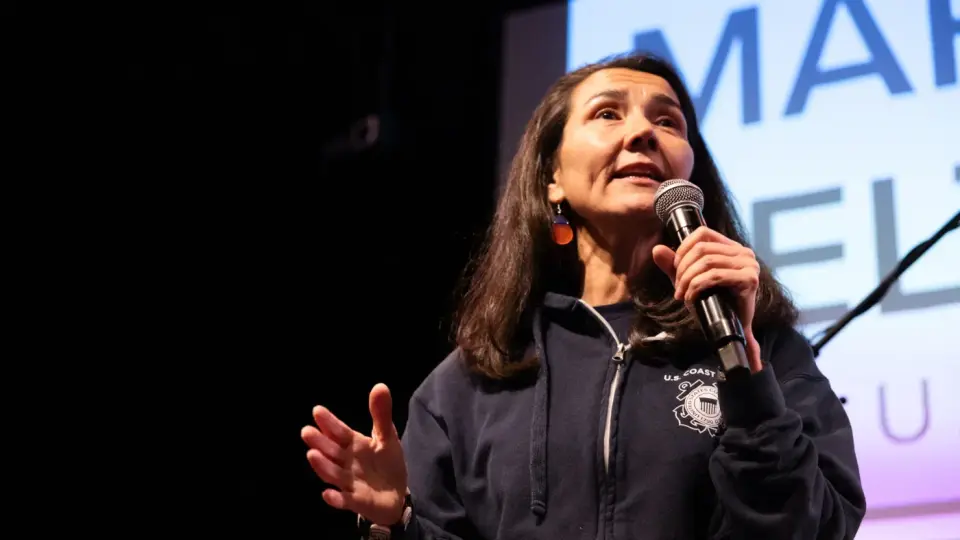
The U.S. Department of Justice is seeking a court order to isolate ballots for a second candidate named Dan Sullivan in Alaska, citing potential voter confusion. Simultaneously, federal officials confirmed a months-long criminal probe into the Democratic campaign of Mary Peltola, following reports that her team may have recruited the namesake candidate. These actions occur days before the ranked-choice general election, which is pivotal for Senate control.
Key points
- The Justice Department filed a lawsuit asking a judge to order state officials to segregate ballots ranking Daniel J. Sullivan Jr. to investigate if votes were cast due to confusion with incumbent Dan S. Sullivan.
- Alaska U.S. Attorney Michael Heyman confirmed a criminal investigation has been ongoing for months, with recent 'significant surge' of resources following New York Times reporting on alleged recruitment efforts by Peltola’s campaign.
- The DOJ seeks to block certification of the election if the incumbent loses, arguing the namesake candidacy poses a 'substantial risk' to electoral integrity.
- Alaska state attorneys argue ballot segregation is impossible without violating voter secrecy, noting that ballots are commingled and that the ranked-choice system allows voters to rank both Sullivans.
- President Trump has publicly demanded the prosecution of Peltola and the namesake candidate, while Peltola denies any knowledge of the recruitment effort.
Background
This controversy follows a New York Times report alleging that aides to Mary Peltola coordinated a 'ballot composition project' to recruit candidates with similar names to the incumbent. Prior to this, Alaska state officials had attempted to distinguish the two candidates on the ballot, listing the incumbent as Dan S. Sullivan and the challenger as Daniel J. Sullivan Jr. The race is considered one of the most critical in the nation for determining control of the U.S. Senate.
How outlets are covering it
NPR and CBS News emphasize the procedural and legal dimensions, highlighting the DOJ's request for ballot segregation and the state's legal counter-arguments regarding ballot secrecy. Al Jazeera provides historical context, comparing the situation to past 'ballot stacking' cases in Florida and India, noting that such tactics have mixed success. Fox News focuses on the political fallout, highlighting the lack of response from Democratic lawmakers who endorsed Peltola, framing the silence as a failure to address alleged democratic threats. While all sources agree on the existence of the probe and the lawsuit, they differ in emphasis: NPR and CBS focus on the mechanics of the investigation, Al Jazeera on the efficacy of the tactic, and Fox on the political hypocrisy of Democratic leaders.
Why it matters
The outcome of the Alaska Senate race is pivotal for determining control of the U.S. Senate. The federal intervention raises questions about the integrity of the election and the limits of federal power in state elections. If the incumbent loses, the DOJ may seek to block certification, potentially leading to a prolonged legal battle over the validity of the result.
What to watch
A judge is expected to rule on the DOJ's request for ballot segregation by Monday. The general election is scheduled for Tuesday. The criminal probe may lead to further subpoenas or charges, though no one has been charged yet. The outcome of the election will determine whether the DOJ's civil suit to block certification becomes relevant.
- Justice Department seeks to isolate Alaska ballots amid criminal probe over Senate candidate NPR
- Daniel J. Sullivan left his Alaska hometown before Senate election, sources say CBS News
- Alaska’s two ‘Dan Sullivans’: How common is ballot stacking, does it work? Al Jazeera
- Dems' dire warnings about threats to democracy face an uncomfortable reckoning after Alaska election report Fox News
- Inside the Times’s Decisions on the Alaska Senate Race Story The New York Times
Want the full story? Read the original reporting
Read on NPR