
Flávio Bolsonaro Flees to US After Election Loss, Defying Brazilian Court Orders
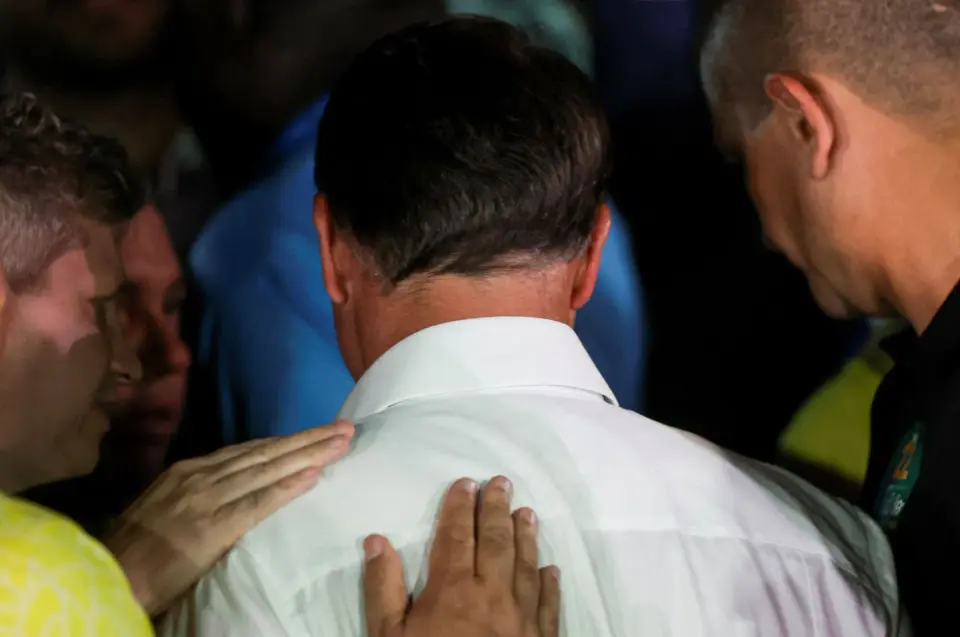
Brazilian senator Flávio Bolsonaro has fled to the United States after losing the presidential election to Luiz Inácio Lula da Silva. He defied a Supreme Court order to surrender his passports, which were subsequently cancelled by federal police. The US State Department confirmed it would issue visas for him and his family, allowing entry despite ongoing corruption investigations in Brazil. Lula condemned the departure as shameful, while Bolsonaro’s party expressed surprise at the move.
Key points
- Flávio Bolsonaro left Brazil after losing the presidential runoff to Lula da Silva, who won by a margin of 4.4 million votes.
- The Brazilian Supreme Court ordered Bolsonaro to surrender his passports within 24 hours, but he failed to comply, leading to their cancellation.
- The US State Department confirmed that visas would be issued for Bolsonaro and his family, facilitating their entry into the United States.
- Bolsonaro faces investigations for money laundering and corruption, including a scheme linked to Banco Master, though he denies all wrongdoing.
- Lula criticized Bolsonaro’s departure as shameful, arguing that he should have stayed in Brazil to face his accusers in court.
Background
This event mirrors the actions of Flávio’s father, former President Jair Bolsonaro, who also fled to the US after losing the 2022 election. Jair Bolsonaro later returned to Brazil and was sentenced to 27 years in prison for plotting a coup. The current situation highlights ongoing tensions between Brazil and the US, with Trump previously claiming that Lula’s victory was rigged without providing evidence. The departure of Flávio Bolsonaro adds to a pattern of Brazilian conservatives seeking refuge in the US, including his brother Eduardo, who is in self-imposed exile.
How outlets are covering it
CNN reported that Trump administration officials were aware of Bolsonaro’s 24-hour deadline to surrender his passport and made clear he would be allowed entry in the US. The Washington Post emphasized the parallel between Flávio’s actions and his father’s previous flight to the US. The Guardian noted that Bolsonaro’s departure could deepen tensions between Washington and Brazil, with Lula accusing the US of colluding with the Bolsonaro family. The Times of India highlighted the uncertainty surrounding Bolsonaro’s exact location and the lack of regular immigration checkpoint records for his departure. All sources agree on the core facts of the flight and visa issuance, but differ in their emphasis on the political implications and the role of US officials in facilitating the move.
Why it matters
The flight of Flávio Bolsonaro to the US underscores the deepening political divisions in Brazil and the international dimensions of domestic legal disputes. It raises questions about the role of foreign governments in Brazilian politics and the potential for further diplomatic tensions. The move also signals a shift in the Brazilian right-wing landscape, as the departure of a key figure could lead to a power vacuum within the far-right movement. Additionally, it highlights the ongoing legal challenges facing the Bolsonaro family and the broader implications for Brazil’s democratic institutions.
What to watch
Brazilian authorities are expected to continue investigating Bolsonaro’s whereabouts and the circumstances of his departure. The Brazilian Supreme Court may issue an arrest warrant for Bolsonaro due to his defiance of the court’s orders. Lula’s government may seek to address the diplomatic tensions with the US, potentially through formal channels. The Brazilian right-wing movement may face internal divisions as the departure of a key figure could lead to a reevaluation of leadership and strategy. Bolsonaro’s legal case in Brazil will likely proceed, with potential consequences for his political career and personal freedom.
- Bolsonaro is granted a visa to enter the U.S. after fleeing Brazil following election loss The Washington Post
- Trump approved allowing Flávio Bolsonaro to enter US after Brazil election loss, source says CNN
- Flávio Bolsonaro flees Brazil after presidential election loss, reports say The Guardian
- Bolsonaro Arrives in Miami After Fleeing Brazil, O Globo Says Bloomberg.com
- Flavio Bolsonaro flees Brazil after Lula defeat, US offers visas to family The Times of India
Want the full story? Read the original reporting
Read on The Washington Post