
Flock’s surveillance network faces a national reckoning as cities scrap contracts and courts weigh in
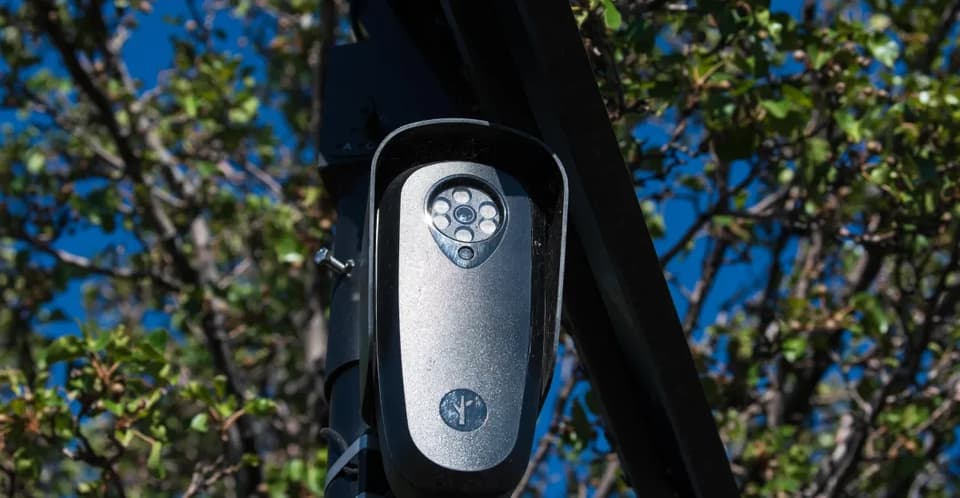
Flock Safety’s automated license plate readers (ALPRs) are facing a wave of cancellations and legal challenges as critics argue the technology enables mass surveillance. While proponents cite crime-fighting benefits, a recent study suggests modest gains in vehicle theft reduction. The backlash is bipartisan, with cities from Los Angeles to Austin terminating contracts, and a federal appeals court is set to hear arguments on the constitutionality of Illinois’s use of the cameras.
Key points
- Flock Safety operates over 120,000 cameras across 49 states, capturing more than 20 billion license plate scans monthly.
- In August 2026, more than 90 cities and counties canceled Flock contracts, a record pace of termination.
- A University of South Carolina study found an 11% decline in motor vehicle theft and a 16% rise in clearance rates in areas deploying Flock cameras.
- The Washington Post reported that at least 50 officers have been charged or accused of using ALPR data to stalk ex-partners or surveil critics.
- A federal appeals court will hear arguments this month on whether Illinois’s use of Flock cameras violates the U.S. Constitution.
Background
The debate over Flock cameras has intensified since 2023, when Texas used a $1 auto-insurance fee to fund a massive expansion of the network. In 2026, the issue became a flashpoint in midterm campaigns, with candidates in Pennsylvania, Wisconsin, and Florida taking opposing stances. President Trump has publicly endorsed the technology, while privacy advocates and some lawmakers have pushed for bans or stricter regulations.
How outlets are covering it
Vox argues that while Flock cameras have real but modest public safety benefits, the lack of regulation has led to abuse, and stringent safeguards could mitigate risks. Illinois Policy highlights community demands for transparency and stronger safeguards, noting that a 2025 audit found Flock violated state law by sharing data with U.S. Customs and Border Protection. USA Today presents a range of reader opinions, from those who view the cameras as an invasion of privacy to those who see them as essential for crime prevention. Yahoo reports that some Florida sheriffs have moved cameras to private property to circumvent state bans, illustrating the tension between local and state authority.
Why it matters
The Flock camera controversy represents a broader struggle over the balance between public safety and privacy in the age of AI. As the technology becomes more ubiquitous, the decisions made by cities, states, and courts will shape the future of government surveillance and the rights of citizens to move without being tracked.
What to watch
The federal appeals court hearing in Illinois will be a key moment, as its ruling could set a precedent for the constitutionality of ALPR use nationwide. Cities and states are likely to continue debating and implementing regulations, with some moving toward bans and others seeking to strengthen oversight. The outcome of these debates will determine whether Flock cameras remain a tool for law enforcement or are curtailed by privacy concerns.
- Flock cameras are creepy. They might still be worth it. vox.com
- Opinion | Are Flock Cameras So Bad? WSJ
- Florida Ordered These Cameras Off State Roads. Some Sheriffs Simply Moved Them to Private Property Yahoo
- What to know about flock cameras in Illinois Illinois Policy
- I live across from a Flock camera. Take them all down | Your Turn USA Today
Want the full story? Read the original reporting
Read on vox.com