
Florida voters face high-stakes property tax cut that could drain local budgets
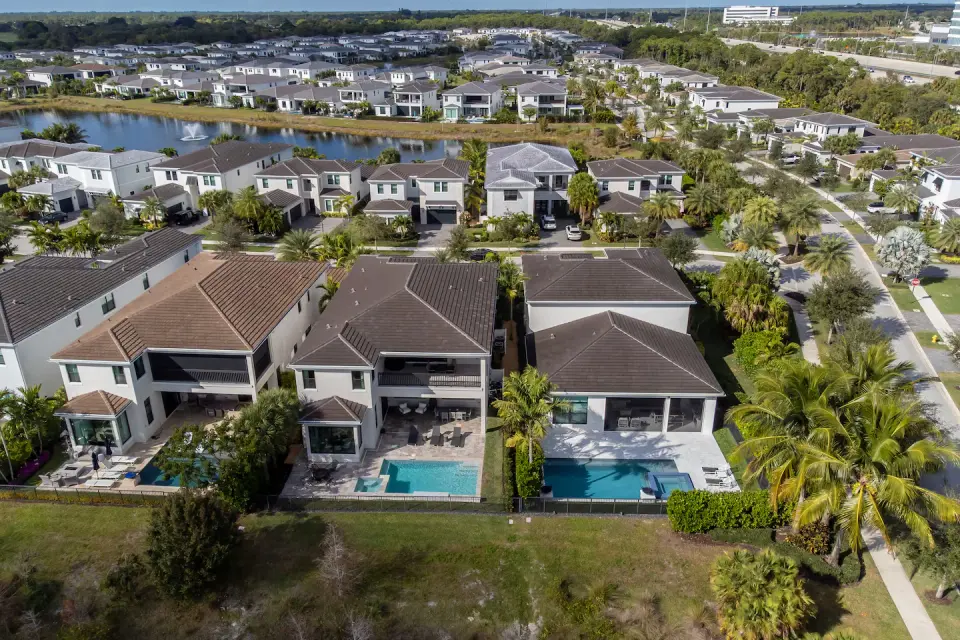
Florida voters will decide on Amendment 3 in November, a constitutional amendment that could significantly lower property taxes for homeowners but severely reduce revenue for local governments. The measure, backed by Gov. Ron DeSantis and the Florida Realtors, proposes increasing the homestead exemption for non-school taxes to $250,000 by 2028. While supporters argue this provides essential relief for housing affordability, critics warn it will cause massive budget shortfalls, potentially crippling public safety, schools, and infrastructure.
Key points
- Amendment 3 requires a 60% majority to pass and would take effect January 1, 2027.
- The amendment increases the homestead exemption for non-school taxes to $150,000 in 2027 and $250,000 in 2028, adjusted for inflation thereafter.
- It reduces the annual assessment cap for non-homestead properties (rentals, commercial) from 10% to 5%.
- Critics estimate the measure could cost local governments $5 billion in the first year and $12 billion annually by year five.
- Supporters argue the cuts are necessary to keep homeownership affordable amid rising costs for insurance and groceries.
- Opponents, including law enforcement and fire officials, warn the revenue loss will force cuts to emergency services, parks, and libraries.
Background
In August 2026, a Leon County judge ruled that the original ballot language for Amendment 3 was misleading and required a neutral rewrite by the Attorney General. The court found the original title and summary used persuasive rhetoric rather than factual descriptions, potentially misleading voters about the impact on local government revenue. This legal challenge delayed the final ballot wording but did not remove the measure from the November election. The debate follows a broader national trend of property tax scrutiny, seen in other states like Texas and Illinois, where local governments are grappling with revenue pressures and tax reform proposals.
How outlets are covering it
The Washington Post frames Amendment 3 as a consequential choice that pits homeowner relief against local budget stability, noting that while Gov. DeSantis argues there is 'fat to cut,' local officials fear the revenue drop will harm essential services. WESH highlights the opposition from public safety leaders, with Polk County Sheriff Grady Judd calling the measure a 'train wreck' and Florida Professional Firefighters President Bernie Bernoska warning that the amendment does not protect public safety funding. In contrast, Florida Realtors, the primary funder of the 'Vote Yes on 3' campaign, emphasizes the need for 'meaningful relief' for families struggling with housing costs, arguing that the measure helps people afford to keep the homes they purchased. The Florida Realtors also argue that lowering the assessment cap for non-homestead properties provides stability for rental and commercial property owners, benefiting tenants and businesses. While the Post and WESH focus on the potential fiscal crisis for municipalities, Florida Realtors focuses on the immediate financial burden on homeowners and the long-term benefits of housing affordability.
Why it matters
The outcome of Amendment 3 will determine the fiscal health of Florida's local governments for the next decade. If passed, the significant reduction in property tax revenue could force municipalities to cut services, raise other taxes, or reduce infrastructure maintenance. Conversely, if rejected, homeowners may continue to face rising property tax burdens without the proposed relief. The measure also sets a precedent for how state legislatures can influence local tax policy and spending restrictions, potentially impacting other states considering similar property tax reforms. The high 60% threshold for passage makes the vote a critical test of public sentiment on the balance between individual tax relief and collective public service funding.
What to watch
Florida voters will cast their ballots on Amendment 3 during the November 3, 2026 general election. If the measure passes with the required 60% majority, the expanded homestead exemption will take effect on January 1, 2027. Local governments will then face the immediate challenge of adjusting their budgets to the reduced revenue, potentially leading to service cuts or alternative funding measures. If the measure fails, the current property tax structure will remain in place, and the debate over housing affordability and local government funding may continue in future legislative sessions. The outcome will also influence similar property tax debates in other states, providing a model for how constitutional amendments can reshape local fiscal policy.
- Ballot measure would slash Florida property taxes and batter local budgets The Washington Post
- Amendment 3 critics: Public safety will suffer WESH
- Florida Realtors launches Vote Yes on 3 campaign | Florida Realtors
- Florida sheriffs, firefighters slam property tax amendment as a ‘train wreck’ Orlando Sentinel
- Amendment 3 will hurt what brings people to Florida | Opinion Yahoo
Want the full story? Read the original reporting
Read on The Washington Post