
Rippey’s Vanity Fair essay complicates Newsom’s memoir account of 2005 affair
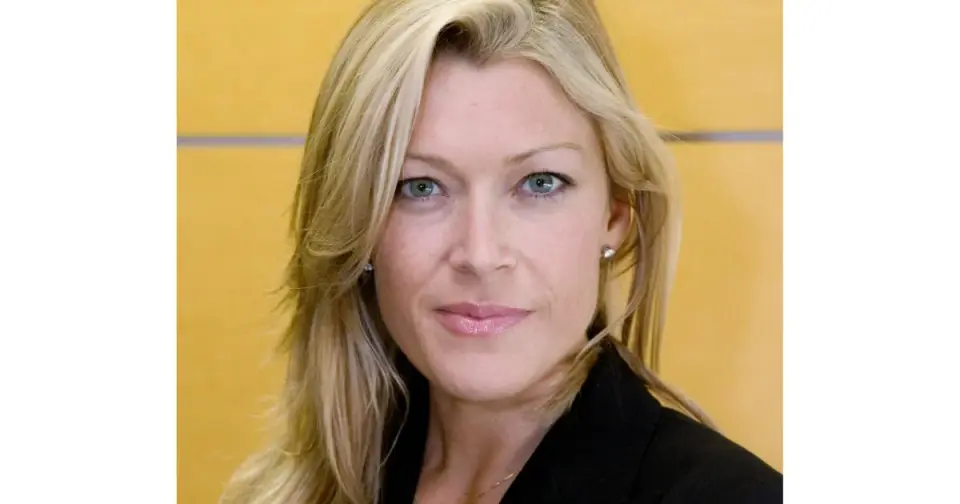
Ruby Rippey, a former appointments secretary for Gavin Newsom, published a detailed first-person essay in Vanity Fair on July 28, 2026, describing their 2005 affair and her subsequent struggle with alcoholism. The piece, titled 'How I Blew Up – Then Rebuilt – My Life,' challenges Newsom’s recent memoir, which characterized the relationship as 'the briefest of affairs.' Rippey asserts she was the one who informed her husband, Alex Tourk, of the affair, contradicting Newsom’s claim that he confessed to Tourk. The essay highlights the power dynamics of the relationship, noting that while she accepted personal responsibility, the consequences were unevenly distributed. Rippey, now 54 and sober for 20 years, frames the incident as a pivotal fracture in her life, contrasting it with Newsom’s view of it as a minor footnote in his political ascent. The story resurfaces as Newsom concludes his final year as California governor and prepares for a potential 2028 presidential run.
Key points
- Ruby Rippey published a detailed essay in Vanity Fair on July 28, 2026, detailing her 2005 affair with Gavin Newsom while he was San Francisco mayor.
- Rippey disputes Newsom’s memoir, 'Young Man in a Hurry,' which claimed he confessed the affair to her husband, Alex Tourk; she states she informed Tourk via email.
- The affair began in July 2005 and ended when Rippey entered rehab in May 2006; she describes the relationship as driven by a desire for proximity to power rather than romance.
- Rippey, now 54, has been sober for 20 years, remarried, and co-parents her son with Tourk, whom she divorced after the affair became public in 2007.
- Newsom’s office acknowledged the affair and his 2007 apology but declined further comment, stating he has moved on to serving Californians and starting a family.
- The essay resurfaces as Newsom finishes his final year as governor and considers a 2028 presidential bid, potentially rekindling scrutiny of his past conduct.
Background
The affair became public in 2007 when Newsom, then mayor of San Francisco, admitted to the relationship in a press conference, stating 'everything you’ve heard and read is true.' He later sought treatment for alcohol abuse. The incident resurfaced during the 2018 governor’s race amid broader #MeToo reckoning, where Rippey initially rejected the narrative of being a victim, citing her agency and personal struggles with alcoholism. Newsom’s 2026 memoir, 'Young Man in a Hurry,' described the affair as 'the briefest of affairs,' a characterization Rippey’s new essay directly challenges. The timing of the essay coincides with Newsom’s final year as California governor and his anticipated 2028 presidential campaign, where past conduct may face renewed scrutiny.
How outlets are covering it
The Los Angeles Times and The New York Times emphasize the essay’s role in complicating Newsom’s memoir account, particularly his claim of confessing to Tourk. The Guardian highlights the power dynamics and Rippey’s evolving perspective on responsibility and power in the #MeToo era. KOMO focuses on Rippey’s sobriety and the advice she received from then-District Attorney Kamala Harris to pause public commentary. All sources agree on the factual timeline but differ in emphasis: The LA Times and NYT focus on the memoir dispute, while The Guardian and KOMO highlight the personal and professional aftermath. Newsom’s office maintains a neutral stance, acknowledging the past but declining further comment, framing the affair as a resolved chapter in his life.
Why it matters
The essay resurfaces a decades-old scandal at a critical juncture for Newsom’s political career, potentially impacting his 2028 presidential bid. It challenges the narrative of his memoir, which downplayed the affair, and highlights the uneven consequences of power in relationships between subordinates and leaders. The story also reflects broader cultural shifts in how sexual misconduct and power dynamics are scrutinized in politics, particularly in the #MeToo era. For Rippey, the essay serves as a reclamation of her narrative, emphasizing her agency and the long-term impact of the affair on her life, contrasting with Newsom’s view of it as a minor footnote.
What to watch
Newsom’s office has declined further comment, but the essay may influence public perception ahead of his 2028 presidential campaign. Rippey’s account could prompt renewed scrutiny of his past conduct and the power dynamics in his political career. The essay may also affect how voters and media view his memoir and his overall narrative of personal growth and political ascent. No immediate legal or political consequences are expected, but the story may resurface in media coverage as the 2028 election approaches.
- Aide involved in affair with Gavin Newsom in 2005 speaks out: 'Resentment is a luxury I can’t afford' Los Angeles Times
- Aide Who Had Affair With Newsom 20 Years Ago Details Her Experience nytimes.com
- Former Gavin Newsom staffer goes into detail about affair when he was San Francisco mayor KOMO
- Former Gavin Newsom aide shares fresh details of affair theguardian.com
- Newsom’s scandal playbook: Don’t dispute it. Politico
Want the full story? Read the original reporting
Read on Los Angeles Times