
Fauci's former aide admits to hiding pandemic records in personal email
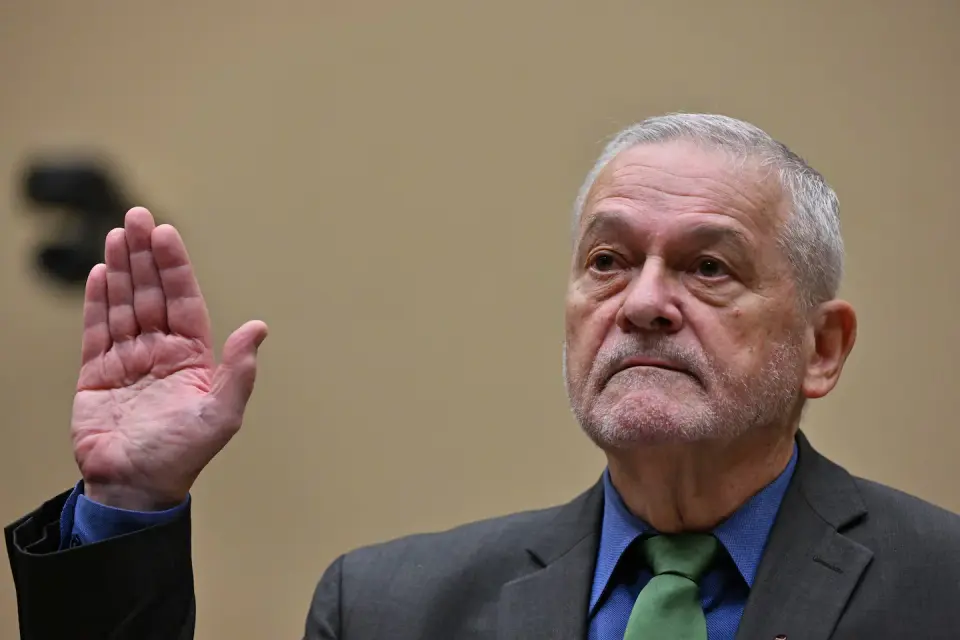
David Morens, a former senior adviser to Anthony Fauci, pleaded guilty to one count of conspiracy to defraud the United States. He admitted to using a personal Gmail account to hide government communications regarding a 2014 NIH grant for bat coronavirus research. The plea deal dropped four other charges, and Morens faces up to five years in prison at a November sentencing. Fauci is not charged but faces a potential contempt referral from the Senate.
Key points
- Morens, 78, pleaded guilty in a Maryland federal court to one count of conspiracy to defraud the U.S. by evading public records laws.
- He admitted to diverting emails to a personal account to avoid Freedom of Information Act (FOIA) requests and conceal communications with Peter Daszak of EcoHealth Alliance.
- The case centers on a 2014 NIH grant for bat coronavirus research that was terminated in 2020 amid allegations of a lab leak from the Wuhan Institute of Virology.
- Morens admitted to receiving 'illegal gratuities' from Daszak, including two bottles of wine, though no charges were filed for the gifts.
- Sentencing is scheduled for November 12, 2026, with a maximum penalty of five years in prison and a $250,000 fine.
- Anthony Fauci is not accused of wrongdoing in this case, but the Senate Homeland Security Committee has referred him to the Justice Department for potential prosecution after he invoked the Fifth Amendment in a hearing.
Background
Morens served as a senior adviser to Fauci at the National Institute of Allergy and Infectious Diseases (NIAID) from 2006 to 2022. The case emerged from congressional investigations into the origins of the pandemic and the handling of the EcoHealth Alliance grant. Fauci had previously distanced himself from Morens's actions during a 2024 House hearing, stating he was not involved in the email scheme. President Biden granted Fauci a preemptive pardon in early 2025, but Republicans argue the pardon does not cover contempt of Congress.
How outlets are covering it
The Washington Post and Politico emphasize the legal admission of guilt and the specific mechanism of using a personal email to evade FOIA. CBS News highlights the broader political context, noting that the plea follows Fauci's recent refusal to answer questions in a Senate hearing. The New York Post provides additional detail on the financial aspects, noting the wine gifts and the specific grant amounts ($4 million in 2014, $7.5 million in 2020) that funded research at the Wuhan Institute of Virology. While all outlets agree on the facts of the plea, they differ in emphasis: some focus on the criminal charge, while others link the case to the ongoing political pressure on Fauci from Republican lawmakers like Sen. Rand Paul.
Why it matters
The case highlights the tension between public transparency and political pressure regarding the origins of the coronavirus pandemic. It demonstrates the legal consequences for government officials who attempt to circumvent public records laws, even if they are not the primary subject of the investigation. The outcome may influence how future administrations handle FOIA requests and the potential for criminal referrals against high-profile officials who invoke the Fifth Amendment.
What to watch
Morens will be sentenced on November 12, 2026. The Justice Department is reviewing the Senate's referral to prosecute Fauci for contempt of Congress. The FBI has stated its investigation into the matter remains ongoing, and it is unclear if EcoHealth Alliance is still operating after being barred from federal funding in 2025.
- Former Fauci aide admits hiding emails to thwart pandemic inquiry The Washington Post
- David Morens, former NIAID adviser, pleads guilty in COVID-19 records scheme CBS News
- Former Fauci associate David Morens pleads guilty to conspiracy thehill.com
- Former Fauci aide pleads guilty to dodging federal public records laws politico.com
- Fauci adviser pleads guilty to charges connected to the concealment of COVID-19-related records New York Post
Want the full story? Read the original reporting
Read on The Washington Post