The U.S. Department of Agriculture released three historical documents regarding Bigfoot sightings, including a 1982 investigation into tracks in Washington state that officials deemed likely hoaxes.
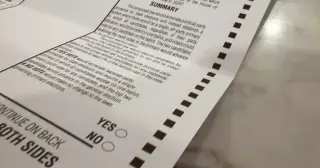
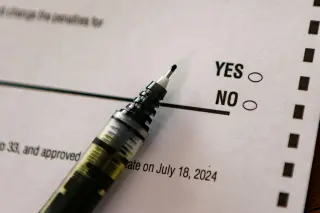
Massachusetts voters decided on nine ballot questions in the 2026 election, rejecting efforts to repeal recreational cannabis and gun restrictions while expanding public records access. Questions 5 and 7 remain too close to call.
Massachusetts voters overwhelmingly rejected efforts to repeal recreational cannabis and gun control laws while expanding public records access. Question 8, which would have ended adult-use cannabis sales, lost with over 75% voting 'no,' preserving an industry valued at $1.65 billion annually. Question 9, defending gun restrictions, saw 'yes' votes lead by 69%. Question 1, expanding transparency for state legislators and the governor, passed with over 80% support. Conversely, Question 3, proposing an all-party primary system, failed with 61% voting 'no.'
Hobart-Lawrence Police released records showing three women reported past physical altercations with Green Bay Packers running back Josh Jacobs between 2021 and 2022. These accounts emerged during the investigation of a May 2026 incident that led to Jacobs’ arrest and misdemeanor battery plea. The NFL is reviewing the new allegations as part of its ongoing personal conduct investigation.
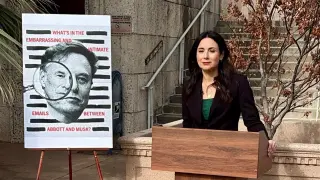
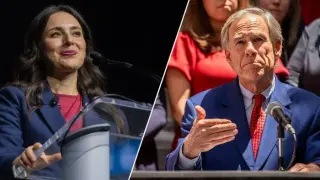
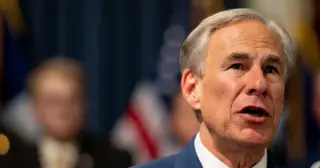
A Texas judge ordered Governor Greg Abbott to provide his Democratic opponent, Gina Hinojosa, with unredacted communications involving Elon Musk. Abbott appealed the ruling, calling it a political stunt. The dispute centers on 1,374 pages of records, most of which were previously blacked out, and involves billions in state incentives and donations. A hearing is scheduled for November 2, one day before the election.
A Texas judge ordered Governor Greg Abbott to share unredacted communications with Elon Musk with his opponent, Gina Hinojosa, days before the election. Abbott appealed the ruling, calling it a political stunt, while Hinojosa argues the documents reveal improper donor influence. The dispute highlights a tight race where Abbott leads on funding but faces a populist challenge.
A Travis County judge ordered Gov. Greg Abbott to allow his Democratic gubernatorial rival, Rep. Gina Hinojosa, to review over 1,000 pages of unredacted communications with Elon Musk. Abbott’s office appealed the ruling, calling the lawsuit a 'baseless stunt,' while Hinojosa argued the access is a statutory right for legislators. The dispute centers on billions in state incentives and donations linking Abbott and Musk, occurring just days before the November 3 election.
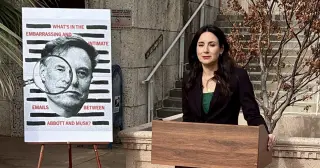
A Travis County judge ordered Texas Governor Greg Abbott to allow his Democratic gubernatorial rival, State Rep. Gina Hinojosa, to review over 1,000 pages of unredacted communications with Elon Musk. The ruling, issued just days before the November 3 election, grants Hinojosa access to records previously withheld as 'intimate and embarrassing.' Abbott has appealed the decision, while Hinojosa argues the access is a statutory right for legislators to assess potential legislation regarding Musk's business incentives.
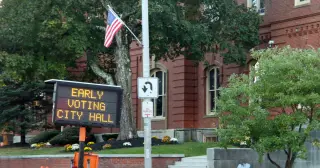
Texas Democratic gubernatorial nominee Gina Hinojosa has sued Governor Greg Abbott to compel the release of unredacted emails between his office and Elon Musk. The lawsuit, filed on the first day of early voting, alleges Abbott is unlawfully withholding documents that are 'intimate and embarrassing.' Abbott’s office dismissed the suit as a 'political stunt,' while Hinojosa argues transparency is essential given Musk’s significant business presence and financial support for Texas Republicans.
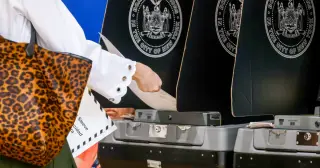
Massachusetts voters will decide on a record-tying nine ballot questions on November 3, 2026, covering topics from public records transparency to gun laws. While officials warn of logistical challenges with multi-card ballots, polls indicate strong support for expanding public records access and same-day voter registration, though measures on unionizing public defenders and repealing cannabis laws face significant opposition.
911 dispatch recordings obtained by the AP reveal that emergency responders faced a 30-minute delay in reaching Christa Pike after her failed execution on Sept. 30. Confusion over verification codes and conflicting statements from prison officials prevented immediate access to the execution chamber at Riverbend Maximum Security Institution. Pike, who survived two doses of pentobarbital, was hospitalized and has since returned to prison. Governor Bill Lee has paused further executions pending a review of the incident.
Released 911 recordings show a 30-minute delay in emergency response to Christa Pike's failed execution due to a lack of verification codes and confusion among prison and dispatch officials.
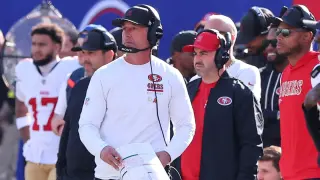
Palo Alto police have refused to release bodycam footage, 911 calls, or accident reports regarding 49ers coach Kyle Shanahan’s July 14 crash, citing California Public Records Act exemptions. This decision follows an 11-day delay in public disclosure and a subsequent 'clerical error' that initially blamed the other driver. Shanahan, who is recovering from a concussion and other injuries, admitted he caused the crash by looking for his dropped phone while driving at 20 mph. The refusal to share evidence has intensified public skepticism regarding the team’s and police’s initial silence.
Text messages obtained by The Center Square show Seattle Mayor Katie Wilson and Washington Gov. Bob Ferguson discussed a press conference regarding the July 26 Bite of Seattle shooting, but no confirmation was sent. The public briefing was delayed until 10:45 p.m., more than four hours after the incident, sparking debate over whether the delay was to accommodate elected officials or due to an active crime scene. A 15-year-old suspect is in custody, and the event organizer, FoodieLand, issued a statement 30 hours later.
Trump claimed China had access to hundreds of millions of voter registration records; the article clarifies that much of this data is already publicly available through state voter rolls and commercial vendors (often for a fee), with varying privacy rules, and explains what is actually accessible versus restricted.