
Texas Lt. Gov. Patrick Faces Criminal Complaint Over AI Deepfake Ads
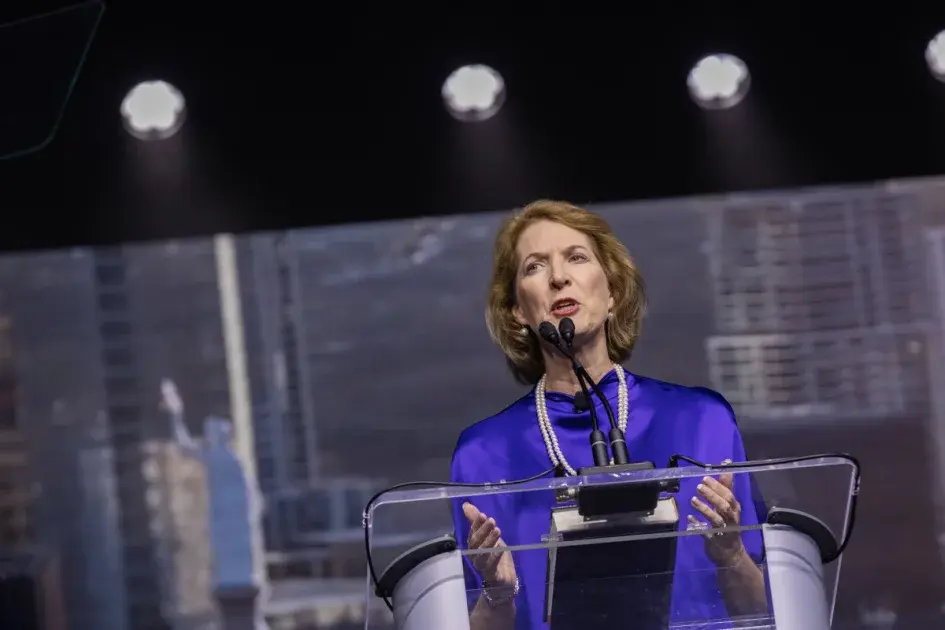
Texas Democratic lieutenant governor candidate Vikki Goodwin filed a police complaint against Republican incumbent Dan Patrick, alleging his campaign violated state law by posting AI-generated deepfake videos of her within 30 days of the election. Goodwin claims the ads falsely depicted her supporting tax increases, while Patrick’s camp calls them obvious parodies. The videos were deleted after the complaint was filed, but Goodwin argues the initial posting constituted a criminal violation of Texas’s 2019 deepfake ban.
Key points
- Vikki Goodwin filed a criminal complaint with the Travis County Sheriff’s Office on Sept. 19, 2026, accusing Dan Patrick of violating Texas law.
- Goodwin cites a 2019 Texas statute that bans the publication of deceptive AI deepfake videos within 30 days of an election.
- The disputed ads, posted on Patrick’s X account, depicted Goodwin stating she supported raising taxes, a position she says she opposes.
- Patrick’s campaign spokesman Allen Blakemore told the New York Times the videos were 'obvious parodies' and were not distributed within the 30-day window.
- The videos were deleted from Patrick’s account the day after Goodwin filed her complaint, which Goodwin’s team described as an admission of guilt.
- Goodwin expressed doubt that the sheriff’s office would pursue the case now that the posts are removed but called for stronger AI advertising laws.
Background
This dispute occurs amid a broader national trend of AI-generated political ads. In August 2026, President Trump filed an FCC complaint regarding media coverage, and in September, a German NGO filed a criminal complaint over Meta’s smart glasses. Additionally, in September 2026, a Tennessee woman sued a city over an AI facial recognition error. These events highlight growing legal and public scrutiny regarding the use of AI in public and political spheres.
How outlets are covering it
The Texas Tribune and KUT report the core facts similarly, but KUT provides additional detail on the specific content of the ads, noting Goodwin’s claim that they misrepresented her stance on taxes. The Texas Tribune emphasizes the legal citation of the 2019 law and the timing relative to early voting. Both sources report Patrick’s defense that the ads were parodies, but KUT notes that Patrick’s campaign did not respond to their direct outreach, whereas the Tribune cites a statement from his spokesman to the New York Times. Goodwin’s perspective, detailed in both, frames the deletion as an admission of guilt, while Patrick’s camp frames it as a non-issue due to the parody nature of the content.
Why it matters
This case tests the enforceability of Texas’s 2019 deepfake law, one of the earliest in the nation to regulate AI in political campaigns. The outcome could set a precedent for how states handle AI-generated misinformation in the final weeks of elections, potentially influencing future legislative efforts to strengthen AI advertising regulations.
What to watch
The Travis County Sheriff’s Office has confirmed receipt of the complaint but has not indicated whether it will pursue charges. Goodwin has called on Texas legislators to pass stronger laws on AI advertising during the next legislative session. The November 2026 election is the next major milestone, with early voting beginning on Oct. 19.
- Vikki Goodwin files police complaint on Dan Patrick ads The Texas Tribune
- Lt. Gov. candidate Goodwin reports Dan Patrick social media ‘deepfakes’ to law enforcement KXAN Austin
- A.I. Attack Ads Prompt Police Report in Texas Race The New York Times
- Vikki Goodwin reports Dan Patrick's AI deepfake videos depicting her to police Houston Chronicle
- Vikki Goodwin files police report saying Dan Patrick broke law with AI-generated campaign ads KUT
Want the full story? Read the original reporting
Read on The Texas Tribune