
GOP Redirects $100M+ to Red States as Midterm Panic Deepens
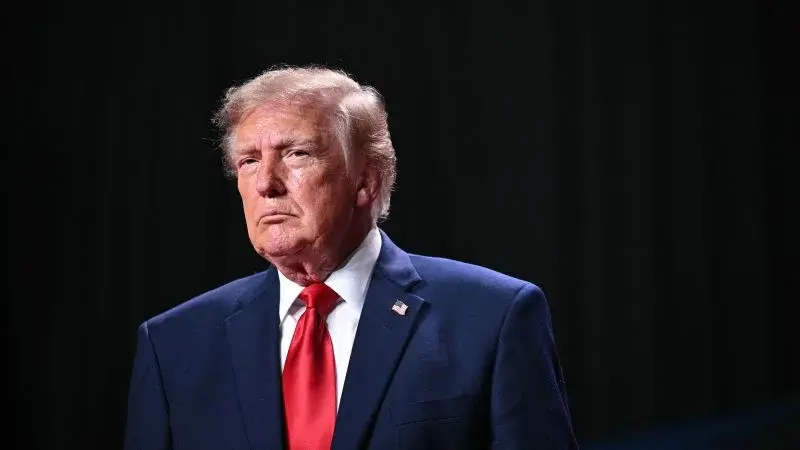
With three weeks until the November midterms, the Republican Party is in a state of emergency, reallocating hundreds of millions of dollars from competitive Democratic areas to traditionally safe red districts to prevent a potential loss of both chambers of Congress. The shift reflects deep anxiety over President Trump’s low approval ratings and voter anger regarding the Iran war and cost of living. While Democrats are pulling back spending in races they view as won, Republicans are pouring resources into states like Texas, Kansas, and South Carolina, where polls show unexpected competitiveness. The strategy prioritizes turnout among loyal base voters over persuasion, as party leaders fear Trump’s presence may be more harmful than helpful in some districts.
Key points
- The Senate Leadership Fund has suspended ad reservations in North Carolina and redirected at least $10 million to Kansas, a state that has not elected a Democrat to the Senate since 1932.
- Republicans have spent over $100 million in Texas to support Attorney General Ken Paxton, who is facing a tight race against Democrat James Talarico despite a bruising primary campaign.
- President Trump has visited Texas three times in one month to rally support for Paxton, though some GOP officials worry his low approval ratings are dragging down candidates.
- The Cook Political Report moved 18 House races toward Democrats, including five toss-up seats in Iowa, Pennsylvania, and Washington, signaling a potential blue wave.
- Democrats are cutting spending in races they consider secure, such as North Carolina, while Republicans are doubling down on red states like South Carolina and Alaska to limit losses.
Background
This crisis follows weeks of polling showing Republicans on track to lose the House and risking their Senate majority. Earlier reports in October indicated that even major policy shifts, such as ending the Iran war or lowering gas prices, were unlikely to sway undecided voters. The party’s scramble began in late September when strategists began deploying massive financial resources to defend deep-red districts, fearing a 'bloodbath' due to rising fuel prices and low presidential approval ratings. The current reallocation of funds marks a significant shift from earlier ambitions to expand in Democratic areas, reflecting a defensive posture as the election approaches.
How outlets are covering it
CNN and Axios emphasize the tactical 'triage' approach, highlighting how Republicans are abandoning competitive races to save red states, with Axios noting that money and Air Force One contrails rarely lie. AP News focuses on the sheer scale of spending, questioning whether $1 billion can power GOP victory, while Mother Jones criticizes the 'shameless spree' of big money, particularly from crypto and AI industries, as a threat to democracy. CNN and Mother Jones both note the tension around Trump’s campaign presence, with CNN reporting that some Republicans fear he is 'dragging the party down,' while Mother Jones points out that Trump is campaigning in states where he is not needed, such as Oklahoma, and making questionable remarks about inflation and lawnmowers. Axios and CNN agree that the reallocation of funds is a clear signal of panic, even if party leaders publicly dismiss the polls as noise.
Why it matters
The reallocation of campaign funds and the strategic pivot to red states indicate that the Republican Party is facing a potential loss of control of both the House and Senate, which would significantly impact the balance of power in Congress. The reliance on turnout rather than persuasion suggests that the party is struggling to appeal to moderate voters, and the heavy spending in red states may not be enough to counter the broader voter anger over economic issues and the Iran war. The outcome of the midterms will determine whether the GOP can maintain its legislative agenda or face a significant setback, with potential implications for future policy and party leadership.
What to watch
The next few weeks will be critical as both parties finalize their spending strategies and campaign efforts. Republicans are expected to continue focusing on turnout in red states, while Democrats may consolidate their leads in swing states. The impact of Trump’s campaign stops and the effectiveness of the redirected funds will be closely monitored, as will any further shifts in polling. The final outcome will depend on voter turnout, the effectiveness of ad campaigns, and the ability of candidates to address voter concerns, with the potential for a 'blue wave' or a narrow GOP hold depending on the final margins in key races.
- ‘Trump is dragging the party down’: GOP scrambles to stop steep midterm losses CNN
- Opinion | How Democrats Beat the Republican Money Machine The New York Times
- Can $1 billion power Republicans to victory in the midterms? AP News
- The Midterm Spending Bonanza Is Threatening Democracy Like Never Before Mother Jones
- Republican midterm triage puts bleak outlook into focus Axios
Want the full story? Read the original reporting
Read on CNN