
Hakeem Jeffries Faces No Formal Challenger for Speaker Amid Grassroots Backlash
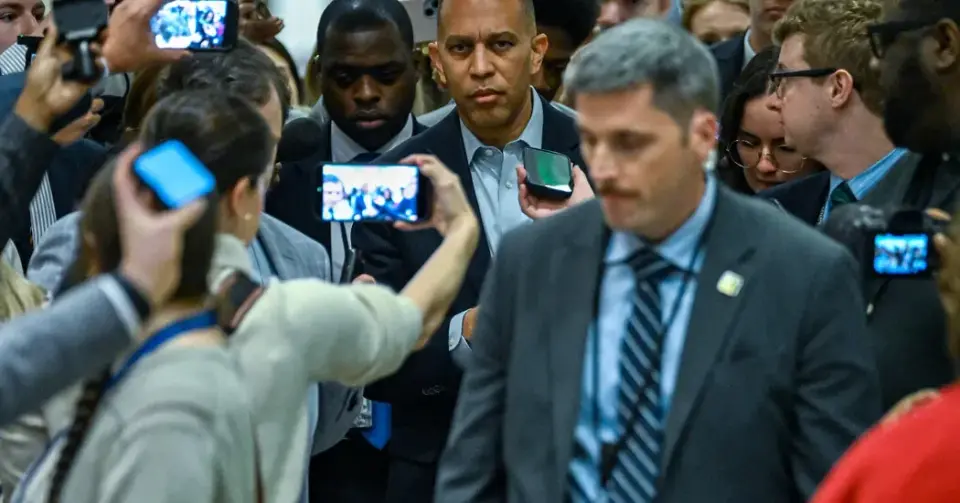
Rep. Hakeem Jeffries is poised to become the first Black Speaker of the House, facing no formal challenger for the Democratic nomination despite significant grassroots opposition. While allies seek unanimous support to preempt dissent, critics argue his centrist approach fails to address progressive priorities.
Key points
- Jeffries is the only declared candidate for the House Democratic leadership election scheduled for November 18, 2026.
- Allies are soliciting public endorsements to secure a unanimous vote, aiming to bypass secret ballots that might reveal dissent.
- Prominent potential rivals, including Reps. Jamie Raskin and Ayanna Pressley, have explicitly declined to challenge Jeffries.
- A Change.org petition opposing Jeffries has gathered over 1.1 million signatures, reflecting deep progressive frustration.
- The formal speaker election will occur on the House floor in January 2027, where Jeffries is expected to win a majority vote.
Background
Jeffries first led House Democrats in 2022, succeeding Nancy Pelosi in an uncontested race. He has since guided the party to a historic majority in the 2026 midterms. Previous coverage highlighted intense grassroots pressure, with petitions surpassing one million signatures by early November, driven by concerns over his stance on Israel and perceived lack of resistance to the Trump administration.
How outlets are covering it
The New York Times emphasizes the strategic maneuvering by Jeffries' allies to lock in support and shut out detractors, framing the process as potentially undemocratic. Axios highlights the lack of willing challengers, noting that figures like Raskin and Pressley have declined the role, while also detailing the volume of grassroots calls opposing Jeffries. USA Today offers a supportive view, arguing that Jeffries' calm, methodical style is necessary to unify a diverse and unwieldy Democratic majority. Newsweek (via Yahoo) points out the political cost of challenging Jeffries, suggesting that while opposition exists, few are willing to risk their careers by formally opposing him. The outlets agree on the lack of a formal challenger but differ on whether this reflects genuine consensus or strategic deterrence.
Why it matters
The speakership is the second-highest office in the U.S. government, controlling the House agenda and legislative priorities. Jeffries' ascension would make him the first Black Speaker, a historic milestone. However, the lack of a formal challenger despite significant grassroots opposition raises questions about the internal cohesion of the Democratic Party and the extent to which the leadership aligns with the progressive base that helped secure the majority.
What to watch
House Democrats will vote on their leadership slate on November 18, 2026. Jeffries is expected to win the nomination easily. The formal speaker election will take place on the House floor in January 2027, where he must secure a majority of the full House to become Speaker.
- Hakeem Jeffries Pushes to Lock Down House Speakership, With No Challenger Emerging The New York Times
- Nobody wants to run against Hakeem Jeffries for speaker Axios
- Democrats desperately need unity. Jeffries is built for that | Opinion USA Today
- Hakeem Jeffries challenger "inevitable," but Democrats fear the cost Yahoo
- ‘Without hesitation’: The new New Democrats team is all-in on Hakeem Jeffries Politico
Want the full story? Read the original reporting
Read on The New York Times