
Hakeem Jeffries on Track to Become First Black Speaker of the House After 2026 Midterm Victory
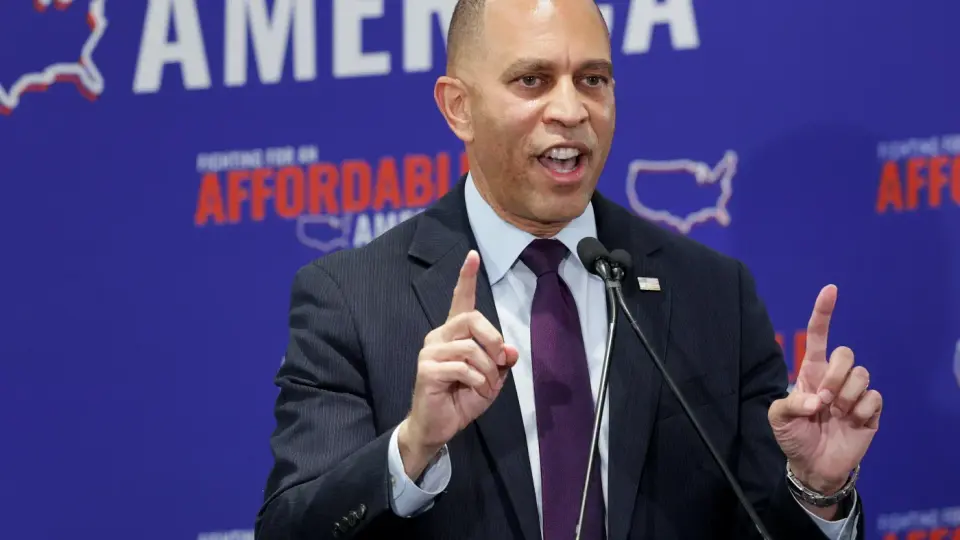
Rep. Hakeem Jeffries (D-N.Y.) is expected to be elected the first Black Speaker of the U.S. House when the new Congress convenes on January 3, 2026. Following a decisive Democratic victory in the midterm elections, Jeffries will assume the second-highest position in the presidential line of succession. His elevation marks the culmination of a 14-year congressional career, during which he rose from a rank-and-file member to House Minority Leader. As Speaker, Jeffries faces the challenge of unifying a diverse and fractious Democratic caucus while prioritizing affordability and anti-corruption measures. His leadership style, characterized by bipartisan cooperation on issues like the First Step Act, contrasts with the more radical demands of the party's progressive wing, creating potential internal tensions regarding legislative priorities and procedural tactics.
Key points
- Hakeem Jeffries is projected to become the first Black Speaker of the House, a position that places him second in the presidential line of succession after the vice president.
- The Democratic Party secured a decisive victory in the 2026 midterm elections, with projections indicating a majority of up to 256 seats, ending Republican control of the House.
- Jeffries, who has represented parts of Brooklyn since 2013, previously served as House Minority Leader and was the first Black politician to lead either party in the House or Senate.
- His legislative career is defined by criminal justice reform, including his role in passing the bipartisan First Step Act during the first Trump administration, which involved collaboration with Jared Kushner.
- As Speaker, Jeffries must navigate internal party divisions, particularly between moderate leadership and a growing faction of Democratic Socialists of America-aligned members who demand more radical policy shifts.
- The House will hold a formal floor vote for the Speaker position when the new Congress convenes on January 3, 2026.
Background
This development follows a series of strategic moves by the Democratic Congressional Campaign Committee (DCCC) in the lead-up to the 2026 midterms. In October 2026, the DCCC expanded its target list to 66 districts, aiming for a supermajority to shield Jeffries from internal party divisions. Additionally, incoming Democratic Socialist lawmakers, including Darializa Avila Chevalier and Melat Kiros, adopted a pragmatic stance in October 2026, prioritizing policy outcomes like Medicare for All over symbolic actions such as impeachment, while remaining non-committal on backing Jeffries for Speaker. These earlier dynamics set the stage for the current consolidation of power under Jeffries, who has historically balanced progressive ideals with pragmatic coalition-building.
Why it matters
Jeffries' elevation to Speaker represents a historic shift in the leadership of the U.S. House, reflecting the changing demographics of the Democratic Party and the broader American electorate. His tenure will test the ability of the party to deliver on promises of 'dramatic change' and affordability for voters, while managing deep ideological rifts within the caucus. The outcome of his leadership will influence the legislative agenda for the next two years, particularly regarding oversight of the Trump administration and the implementation of progressive policies, setting a precedent for future minority and majority leadership in a polarized political landscape.
What to watch
The House will conduct a formal floor vote for the Speaker position on January 3, 2026, when the new Congress convenes. Jeffries is expected to be confirmed, after which he will begin the process of forming a leadership team, including key figures like Katherine Clark and Pete Aguilar. The immediate focus will be on establishing the legislative agenda for the new term, with an emphasis on affordability and anti-corruption measures. Simultaneously, negotiations will likely intensify between Jeffries and the party's progressive wing to determine the extent of radical policy initiatives versus pragmatic legislative compromises.
Want the full story? Read the original reporting
Read on NPR