
Haley Stevens Withdraws from Post-Election Panel After Endorsing GOP Candidate Mike Rogers
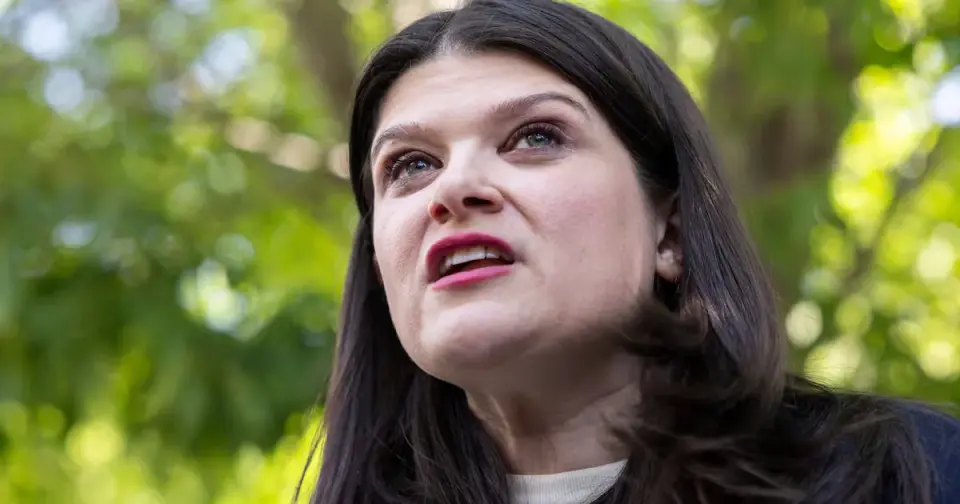
Rep. Haley Stevens withdrew from a post-midterm panel at George Washington University after endorsing Republican Mike Rogers in the Michigan Senate race, a move that ended her political career. Her rival, Abdul El-Sayed, won the seat by seven points. Democratic leaders condemned Stevens' switch as a betrayal, while her fiancé, Jason Turkish, faced intense scrutiny for his alleged influence on her decision.
Key points
- Stevens pulled out of a celebratory panel at GWU's Graduate School of Political Management, with Rep. Jamie Raskin replacing her.
- She endorsed Trump-backed Mike Rogers on Sunday, reversing her support for Democratic nominee Abdul El-Sayed.
- El-Sayed won the Michigan Senate race by a 7-point margin, securing a Democratic majority in the Senate.
- Senate Minority Leader Chuck Schumer called the endorsement a 'despicable betrayal.'
- Stevens denied her fiancé, Jason Turkish, influenced her decision, but former aides claim he was controlling and overbearing.
- Stevens has been effectively banished from the Michigan Democratic Party, with her name removed from its website.
Background
Stevens lost the August Democratic primary to El-Sayed by less than one percentage point. In late October, tensions escalated when El-Sayed's campaign excluded Stevens from final events due to a dispute over Israel policy. Stevens' fiancé, Jason Turkish, publicly announced his support for Rogers days before Stevens did. The 2026 midterms resulted in a Democratic sweep of the House and Senate, including key victories in Texas, Kansas, and South Carolina.
How outlets are covering it
The Daily Beast emphasizes the humiliation of Stevens' withdrawal and the political fallout, noting that her endorsement did not harm El-Sayed's victory. CNN focuses on the interpersonal dynamics, detailing how Turkish allegedly pressured Stevens and the anger of former campaign staff. The Intercept frames the event as a symptom of institutionalized Islamophobia within the Democratic Party, arguing that Stevens' actions were part of a broader effort to undermine El-Sayed. While all sources agree on the facts of the endorsement and the election result, they differ in their attribution of motive: The Daily Beast and CNN highlight Turkish's influence, while The Intercept points to party leadership's treatment of El-Sayed.
Why it matters
The incident highlights deep fractures within the Democratic Party regarding Israel policy and progressive leadership. It raises questions about party discipline, as lawmakers debate whether to expel Stevens from the House Democratic caucus. The episode also underscores the impact of personal relationships on political decisions, with Turkish's actions drawing criticism from figures like former Rep. Susan Wild. Ultimately, it reflects the broader tensions between centrist and progressive wings of the party in the post-midterm landscape.
What to watch
The House is expected to return next week, where discussions about Stevens' caucus membership will likely take place. Stevens has stated she is 'exiting stage left,' suggesting she will not seek further office. The Democratic Party may face internal debates over how to handle members who support Israel-aligned positions, potentially affecting future coalition-building. El-Sayed will assume his Senate seat, becoming the first Muslim elected to the U.S. Senate.
- Dem Loser Humiliated After Bailing on Post-Election Event The Daily Beast
- Morning news brief NPR
- ‘He would wind her up’: Democratic anger at Haley Stevens’ fiancé boils over after her endorsement reversal CNN
- Haley Stevens Destroyed Her Political Career for Absolutely Nothing The Intercept
- Stevens pulls out of election analysis event at DC university The Hill
Want the full story? Read the original reporting
Read on The Daily Beast