
Harris Ignites Mississippi Senate Race as Trump and Super PACs Escalate Spending
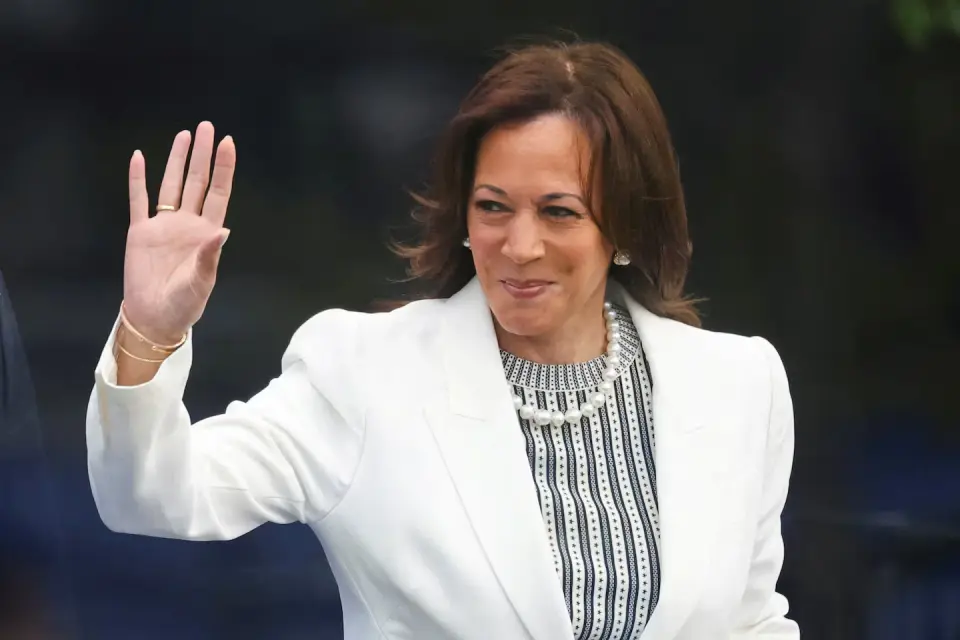
Former Vice President Kamala Harris headlined a high-energy rally in Columbus, Mississippi, to support Democratic Senate nominee Scott Colom, signaling a major escalation in the 2026 midterm race. The event, attended by over 1,000 people, marked a shift in Harris’s campaign strategy as she prepares for a potential 2028 presidential run. Simultaneously, the race has become a financial battleground, with both parties deploying millions in advertising and top-tier national figures, including President Donald Trump, to influence the outcome in a state that has not elected a Democrat to the Senate in decades.
Key points
- Harris campaigned for Colom in Columbus, Mississippi, on October 23, 2026, drawing a crowd of over 1,000 to a gymnasium event.
- Colom is attempting to become the first Democrat elected to the U.S. Senate from Mississippi in 40 years and the first Black statewide officeholder since Reconstruction.
- The Cook Political Report downgraded the race from 'Solid Republican' to 'Likely Republican,' indicating increased competitiveness.
- Senate Majority PAC committed $1.2 million to an ad buy for Colom, while Senate Leadership Fund is spending over $1 million to support incumbent Cindy Hyde-Smith.
- President Trump is scheduled to hold a rally in Corinth, Mississippi, on Monday to support Hyde-Smith.
- Harris’s recent appearances, including in Nevada and Mississippi, suggest a ramp-up in her political activity ahead of a potential 2028 presidential bid.
Background
This race has been a focal point for Democratic strategy in deep-red states since October 2026. Previous coverage noted that national figures like Barack Obama and Pete Buttigieg were already planning to campaign in Mississippi. The race also faced controversy in mid-October regarding the use of AI-generated attack ads by both campaigns, which raised questions about transparency and the impact of 'slopaganda' on voters. Democrats have argued that high Black voter turnout and frustration with Republican policies could make the seat competitive, despite Mississippi being a state President Trump won by 23 points in 2024.
How outlets are covering it
The Washington Post emphasizes the symbolic significance of Harris’s presence in the Deep South and her potential 2028 ambitions, noting that some Democrats view her as tarnished by her 2024 loss but others see her as a formidable figure. WTVA highlights the logistical challenges of the rally, noting that the campaign had to scramble to find a new venue after Mississippi University for Women declined to host. MS NOW focuses on the financial escalation, citing an Axios report that Senate Republicans are weighing a cash infusion for the race, and notes that the race is part of a broader trend of competitive midterms in deep-red states. All sources agree on the high level of national attention and spending, but they differ in their emphasis on the political implications for Harris versus the immediate electoral competitiveness of the race.
Why it matters
The Mississippi Senate race is a bellwether for the 2026 midterms, testing whether Democrats can make inroads in historically red states. The involvement of top national figures and significant financial resources indicates that both parties view the race as a critical test of their ability to mobilize voters and counteract historical voting patterns. The outcome could have implications for the balance of power in the U.S. Senate and the broader political landscape in 2028.
What to watch
President Trump is scheduled to hold a rally in Corinth, Mississippi, on Monday to support Cindy Hyde-Smith. The general election is on November 3, 2026. Harris has upcoming events in New Hampshire and Georgia, and the race is expected to see continued high-level spending and national attention in the final weeks before the election.
- Kamala Harris rallies for Mississippi Senate candidate as she elevates profile The Washington Post
- Kamala Harris, Scott Colom rally in Columbus WTVA
- Kamala Harris Unloads on Trump at Mississippi Senate Campaign Rally Newsweek
- Friday’s Campaign Round-Up, 10.23.26: Kamala Harris rallies for Colom in Mississippi MS NOW
- Kamala Harris visits MS with Senate candidate Scott Colom WREG.com
Want the full story? Read the original reporting
Read on The Washington Post