
Harris Refuses Apology to Reporter After Threatening Prosecution Over Public Recording
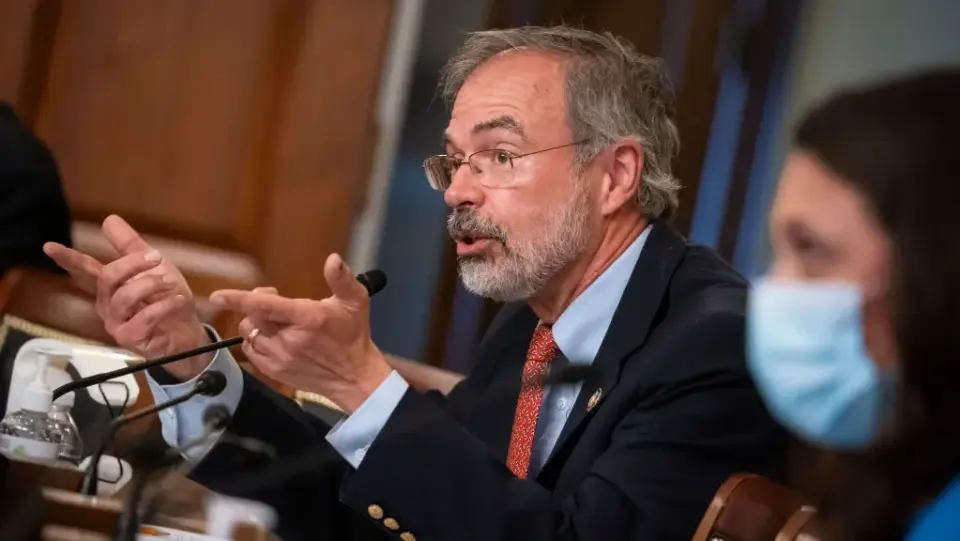
Rep. Andy Harris refused to apologize to student journalist Cat Murphy after threatening her with prosecution for recording him during a public press conference in Cambridge, Maryland, on Oct. 13. Harris cited Maryland's two-party consent law, but legal experts and the University of Maryland confirmed the law does not apply to public forums. The incident occurred after Harris blamed Democrats for rising diesel prices, drawing laughter from the audience. Harris is seeking a ninth term in the House and is trailing his Democratic opponent, Dan Schwartz, by 13 points in the midterm elections.
Key points
- Harris told Murphy, 'You do not have my permission to record. If you record, we will refer you to the prosecutor,' during a post-debate gaggle on Oct. 13.
- Harris invoked Maryland's Wiretapping and Electronic Surveillance Act, but attorney Jeremy Eldridge and Joyce Smithey stated the law only applies to private conversations, not public press conferences.
- Harris told Fox45 on Oct. 16 that he would not apologize, calling the incident 'not very newsworthy' and criticizing 'liberal media badgers.'
- The University of Maryland's Philip Merrill College of Journalism and the Society of Professional Journalists condemned Harris' threats, affirming Murphy's right to record in a public space.
- Harris is seeking a ninth term in the House and is trailing Schwartz by 13 points in the midterm elections, according to our archive.
Background
This incident follows a contentious debate between Harris and Schwartz in Maryland's First Congressional District, where Harris blamed Democratic environmental regulations for rising diesel prices, prompting audience laughter. The confrontation escalated when Harris singled out Murphy, a master's student at the University of Maryland and data reporter for Capital News Service, for recording the press conference. Harris, an anesthesiologist by trade, insisted he knew the law well, despite Murphy's challenge to his legal credentials. The incident highlights ongoing tensions between Harris and the press ahead of the midterm elections.
How outlets are covering it
USA TODAY and ABC News reported that Harris refused to apologize and defended his actions, while the University of Maryland and the Society of Professional Journalists condemned his threats. The New York Times focused on the audience's reaction to Harris' claims about diesel prices, noting that laughter ensued when he blamed Democrats for rising fuel prices. Legal experts, including Jeremy Eldridge and Joyce Smithey, emphasized that Maryland's two-party consent law does not apply to public forums, contradicting Harris' interpretation. Murphy, in a CNN interview, stated she was focused on doing her job and asking questions, despite the attention the incident received.
Why it matters
The incident raises questions about press freedom and the boundaries of public recording in the United States. Harris' threat to prosecute a journalist for recording a public press conference could set a precedent for chilling the press, particularly in a two-party consent state like Maryland. The incident also highlights the tensions between Harris and the press ahead of the midterm elections, where he is trailing his Democratic opponent by 13 points. The response from the University of Maryland and the Society of Professional Journalists underscores the importance of protecting journalists' rights to report in public spaces.
What to watch
Harris is expected to continue his campaign for a ninth term in the House, while Schwartz is likely to use the incident to highlight Harris' perceived hostility toward the press. The midterm elections in Maryland's First Congressional District will be a key test for Harris, given his 13-point deficit. Legal experts and media organizations may continue to monitor the incident for its implications on press freedom and public recording laws.
- Rep. Andy Harris declines to apologize to student journalist in Fox call USA Today
- A Maryland Lawmaker Blamed Democrats for High Gas Prices. Laughter Ensued. The New York Times
- Congressman threatens reporter with potential criminal charges for recording him ABC News - Breaking News, Latest News and Videos
- Andy Harris staffer files assault charges against Easton man following debate The Baltimore Banner
- Republican congressman threatens student reporter over recording USA Today
Want the full story? Read the original reporting
Read on USA Today