
Driscoll’s Resignation Highlights Hegseth’s Pentagon Purges
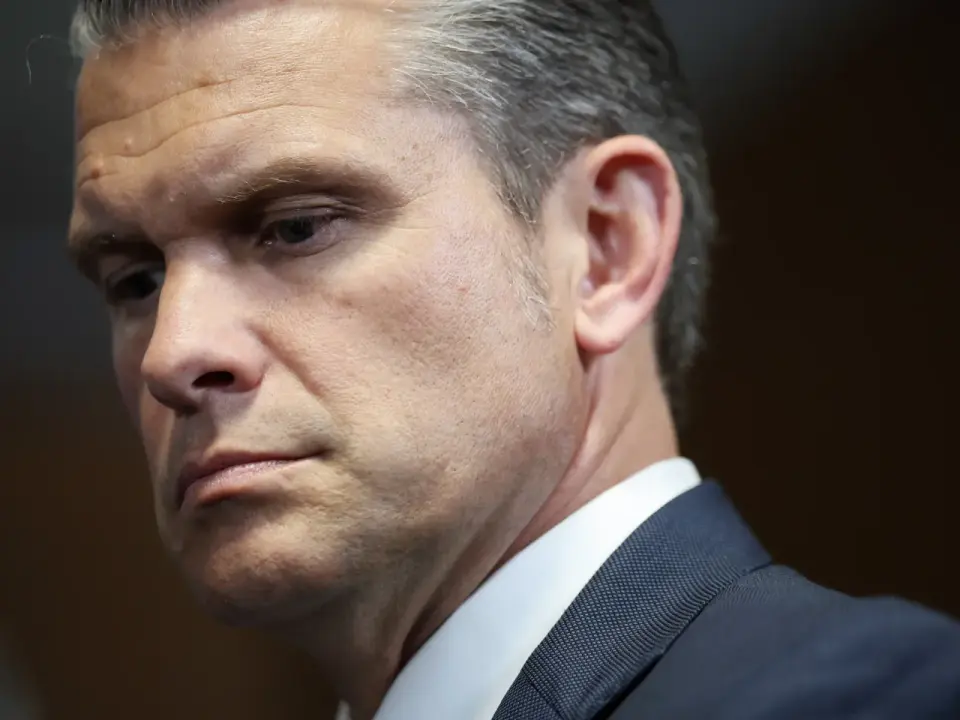
Daniel Driscoll, the US Army secretary, resigned after months of clashes with Defense Secretary Pete Hegseth over military readiness and leadership changes. Driscoll reportedly appealed to President Trump about the impact of purges on the army's ability to modernize for drone-based warfare. His departure is the latest in a series of high-level exits, including service chiefs and civilian leaders, which critics argue have hollowed out the Pentagon's senior ranks and undermined merit-based promotions. While the White House praised Driscoll's work on 'readiness and lethality,' Democrats and some Republicans warn that the instability is damaging long-term strategic planning and morale.
Key points
- Daniel Driscoll resigned as US Army secretary after 18 months, following a direct appeal to President Trump regarding the army's readiness.
- Hegseth has removed or forced out numerous senior leaders, including Joint Chiefs members and service chiefs, often replacing them with individuals of different demographics.
- Critics argue the purges have disrupted the army's transformation toward drone and missile capabilities, a shift Driscoll and General Randy George had championed.
- The White House stated Driscoll was 'highly effective' in advancing the president's agenda, while Senator Jack Reed accused Hegseth of punishing dissent.
- The instability has raised concerns about the Pentagon's ability to maintain long-term strategic vision amid ongoing conflicts in the Middle East.
Background
This resignation follows a broader pattern of upheaval at the Pentagon under Hegseth, which our archive notes began with the firing of Joint Chiefs Chairman Charles Q. Brown Jr. and Admiral Lisa Franchetti in February 2026. Recent months have seen the removal of Army Chief of Staff Randy George and Navy Secretary John Phelan, as well as pressure on the military newspaper Stars and Stripes. These changes occur against the backdrop of an ongoing Iran conflict and debates over European troop deployments, highlighting tensions between rapid policy shifts and institutional stability.
How outlets are covering it
Al Jazeera emphasizes the long-term strategic damage, noting that frequent leadership changes hinder the 'big-picture' modernization of forces for future wars. The Guardian highlights the internal rupture, detailing how Driscoll sought help from Vice President JD Vance and how the army scaled back a drone unit after General George's firing. The Financial Times, while behind a paywall, frames the event as deepening 'Pentagon chaos.' All sources agree on the scale of the turnover but differ in emphasis: Al Jazeera focuses on the erosion of meritocracy and readiness, while The Guardian focuses on the specific policy disagreements over drone integration and the political maneuvering behind Driscoll's exit.
Why it matters
The resignation of a top civilian leader like Driscoll signals a potential crisis in the US military's ability to adapt to modern warfare. If senior leadership is constantly replaced based on political loyalty rather than competence, it could compromise the effectiveness of the 1.3 million active-duty personnel and the trillion-dollar defense budget. This instability may also affect the morale of minority and female officers, who have been disproportionately affected by the purges, and could hinder the US's strategic positioning in ongoing conflicts in the Middle East and Europe.
What to watch
The White House is expected to announce a successor for the Army secretary position, with Sean Parnell, Hegseth's chief spokesperson, reportedly under consideration. The Pentagon will likely continue to implement Hegseth's policies, including testosterone screenings for soldiers over 30 and the removal of 'woke' memorials. Congress may hold hearings to address the concerns raised by Senators like Jack Reed about the impact of these changes on military readiness and morale.
- The long-term implications of Pete Hegseth’s US military purges Al Jazeera
- Tillis urges Trump to fire Hegseth over ‘inept management’ of military The Hill
- Pentagon chaos deepens after Dan Driscoll quits in clash with Pete Hegseth Financial Times
- Democrats warn of ‘hollowed out’ leadership after army chief resigns amid clashes with Hegseth theguardian.com
- Driscoll offers no reason for his exit as Army secretary but says Wednesday is his last full day PBS
Want the full story? Read the original reporting
Read on Al Jazeera