
Herzog Defies Trump as Netanyahu’s Coalition Math Fails in Final Polls
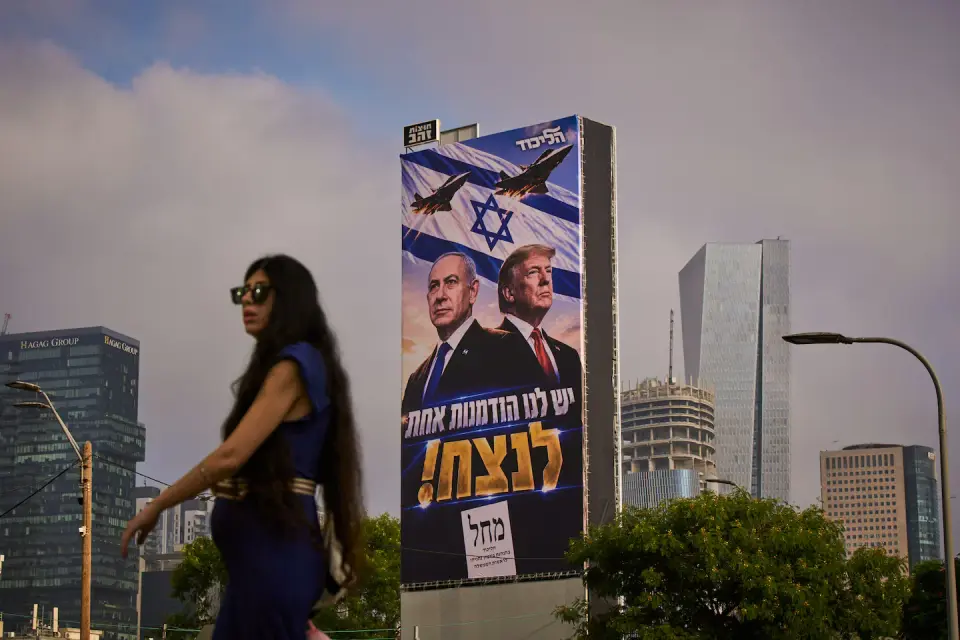
Israeli President Isaac Herzog has rejected US President Donald Trump’s pressure to favor Prime Minister Benjamin Netanyahu in the upcoming coalition formation process. Final polls show a likely deadlock, with Netanyahu’s Likud party trailing challenger Gadi Eisenkot. While Trump has intensified his endorsement of Netanyahu, Herzog insists the decision to grant the first chance to form a government will be based solely on domestic facts. The outcome remains uncertain due to strict coalition math constraints and potential for a unity government.
Key points
- Israeli President Isaac Herzog stated he would not bow to US President Donald Trump’s pressure to favor Benjamin Netanyahu in the post-election government formation process, asserting that his decision must be based on domestic facts and the Israeli constitution.
- Final pre-election polls from major Israeli networks project that Netanyahu’s Likud party will win only 20 seats, far short of the 61-seat majority required in the 120-seat Knesset. His broader bloc is projected to hold just 50 seats, while challenger Gadi Eisenkot’s opposition bloc is projected to hold between 52 and 56 seats.
- Gadi Eisenkot, the leader of the centrist Yashar party, has ruled out forming a coalition with Netanyahu. Additionally, Eisenkot has excluded both Arab and ultra-Orthodox parties from any government he leads, creating a significant mathematical hurdle for reaching a majority.
- US President Donald Trump issued a new endorsement of Netanyahu on Truth Social, urging Israelis to vote for him and warning that his defeat could impact US-Israel relations. Netanyahu has reportedly lobbied Trump for additional public support, a move described by US sources as a sign of desperation.
- Herzog is exploring the possibility of a national unity government that includes both Netanyahu and Eisenkot but excludes extremist parties, aiming to avoid a second round of elections. He noted that the coalition-building process could take weeks and remain highly delicate.
Background
This election follows a period of intense regional conflict and US diplomatic activity, including an unannounced visit by US Defense Secretary Pete Hegseth to Netanyahu just days before the vote. Previous coverage highlighted deep societal divisions in Israel over judicial reform and ultra-Orthodox conscription, as well as the looming threat of renewed military escalation with Iran. The current election is seen as a critical test of Israel’s democratic resilience amid external pressure and internal polarization.
How outlets are covering it
The Washington Post emphasizes the potential for a divided Israel where Netanyahu could remain in power despite losing the election, facilitated by Trump’s backing. MS NOW focuses on Herzog’s defiance of US pressure and the delicate coalition math, highlighting the exclusion of Arab and ultra-Orthodox parties by Eisenkot. Axios highlights Netanyahu’s desperate lobbying of Trump and the White House’s view of this as a sign of weakness, while noting that Trump’s endorsement is a strategic win-win regardless of the outcome. CBN News frames the election through the lens of security threats, with Netanyahu warning of an Iranian nuclear strike and promising a massive military operation in the West Bank, contrasting with opposition accusations that he is using fear tactics to distract from economic and political failures.
Why it matters
The outcome of this election will determine whether Israel faces prolonged political instability or a shift in leadership that could alter its approach to regional conflicts, particularly with Iran. The involvement of the US president in the Israeli electoral process raises questions about the independence of Israeli democracy and the future of US-Israel relations. A deadlock or minority government could lead to a second election or a fragile unity government, impacting Israel’s ability to respond to security threats and economic sanctions.
What to watch
The immediate next step is the Tuesday election, followed by the coalition-building process led by President Herzog. If no majority is formed, Israel may face a second round of elections or a prolonged period of political uncertainty. The outcome will also influence US-Iran relations and the potential for renewed military escalation in the region. Herzog’s decision on which party gets the first chance to form a government will be a critical moment in determining the future direction of Israeli politics.
- Netanyahu, with Trump’s backing, could lose election and still lead a divided Israel The Washington Post
- Netanyahu touts Trump endorsement on eve of vote, suggests they may restart war on Iran Reuters
- Herzog reaffirms independence of Israeli elections amid Trump push for Netanyahu MS NOW
- Scoop: Netanyahu presses Trump for more support ahead of tight Tuesday election Axios
- As Tuesday Vote Nears, Israel on Alert for Iran, Palestinian Terror; Trump Endorses Netanyahu Again CBN News
Want the full story? Read the original reporting
Read on The Washington Post