
Hinojosa’s Potential Victory Faces Structural Hurdles in a Divided Texas Government
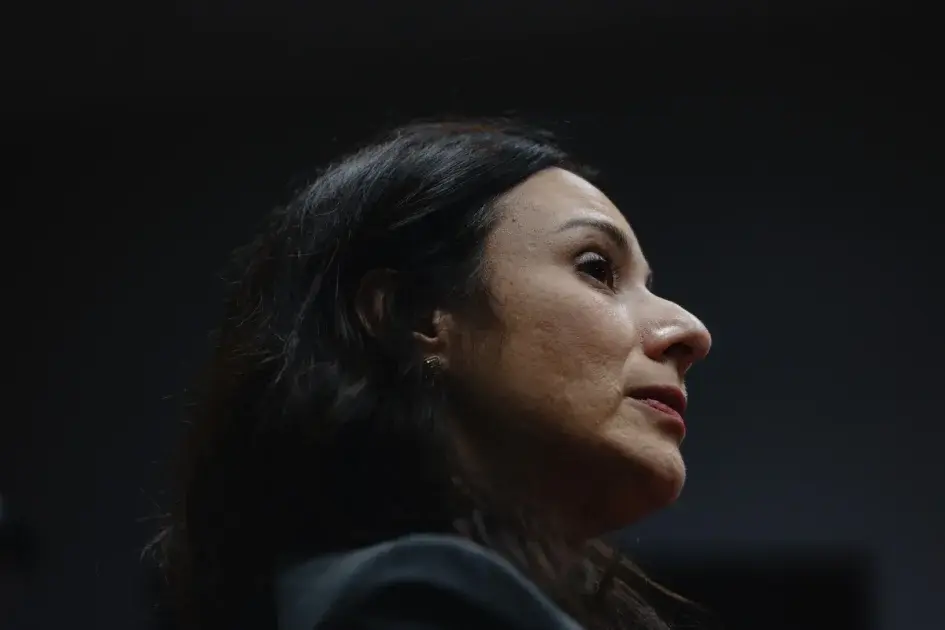
If Democratic candidate Gina Hinojosa defeats incumbent Governor Greg Abbott on November 3, she will face a significantly constrained executive role compared to Abbott’s current influence. While Abbott has leveraged long tenure to align state agencies with his agenda, Hinojosa would likely govern a divided state where Republicans retain control of both legislative chambers. Experts note that while Hinojosa can issue executive orders, her ability to pass legislation or secure key appointments will be limited by a hostile legislature and the requirement for supermajority consent on certain appointments.
Key points
- Abbott’s power stems from tenure and aligned appointments, not just statutory authority; Hinojosa would lack this institutional control.
- Republicans are expected to retain control of the Texas House and Senate, creating a divided government not seen since 1995.
- Hinojosa plans to use executive orders to suspend gas taxes and freeze electricity rates immediately after taking office.
- Replacing education commissioner Mike Morath requires a two-thirds Senate vote, necessitating bipartisan cooperation.
- Abbout’s veto power is historically strong, with the last legislative override occurring in 1979.
Background
The Texas governorship has historically been a weak position until recent tenures by Rick Perry and Greg Abbott expanded its influence through long-term agency staffing. The last instance of divided government occurred in 1995 when George W. Bush became governor. Recent archival coverage highlights a pre-election dispute where a judge ordered Abbott to share unredacted communications with Elon Musk with Hinojosa, a case Abbott appealed, citing political motives. This dispute underscores the contentious nature of the campaign and the scrutiny on Abbott’s donor relationships.
How outlets are covering it
The Texas Tribune and KSAT emphasize the structural limitations Hinojosa will face, noting that Abbott’s influence is rooted in longevity and aligned appointments, which Hinojosa cannot immediately replicate. They highlight the risk of legislative gridlock, citing historical precedents of special sessions during divided governments. Axios focuses on the electoral dynamics, noting that Hinojosa’s rise is driven by economic frustrations and a shift among Latino voters, but she faces a significant funding gap, with Abbott spending nearly ten times more. The New Yorker frames Hinojosa’s strategy as a populist appeal to cross party lines, focusing on pocketbook issues like data centers and education, while acknowledging the difficulty of maintaining support from disaffected Republicans. All sources agree that while Hinojosa can act via executive order, her legislative and appointment powers will be severely constrained by a Republican-controlled legislature.
Why it matters
The outcome of the Texas governor’s race will determine whether the state moves toward a divided government, potentially stalling major policy initiatives. Hinojosa’s ability to implement her agenda will depend on navigating a hostile legislature and securing bipartisan support for key appointments. The race also reflects broader national trends of economic anxiety and shifting voter alignments, particularly among Latino and suburban voters. A Hinojosa victory would mark a significant shift in Texas politics, ending decades of Republican dominance in the governor’s office, but her effectiveness will be tested by the structural constraints of a divided government.
What to watch
The election results will be announced on November 3. If Hinojosa wins, she will immediately issue executive orders to suspend gas and diesel taxes and freeze electricity rates. She will also seek to replace education commissioner Mike Morath, requiring a two-thirds Senate vote. The legislature will likely convene special sessions to address disagreements between the executive and legislative branches. The outcome of the lieutenant governor’s race will also impact Hinojosa’s ability to influence the Senate, as the lieutenant governor’s powers are granted by a majority vote of senators.
- What divided government could look like if Gina Hinojosa wins The Texas Tribune
- Experts analyze Gina Hinojosa's chances against Greg Abbott Axios
- Gina Hinojosa’s Populism for Democrats The New Yorker
- An Hinojosa win would be a political feat, but she wouldn’t inherit the power Abbott holds KSAT
- Abbott’s lead over Hinojosa in Texas governor’s race narrows Yahoo
Want the full story? Read the original reporting
Read on The Texas Tribune