
House passes Graham-Russia sanctions bill, sending it to Trump
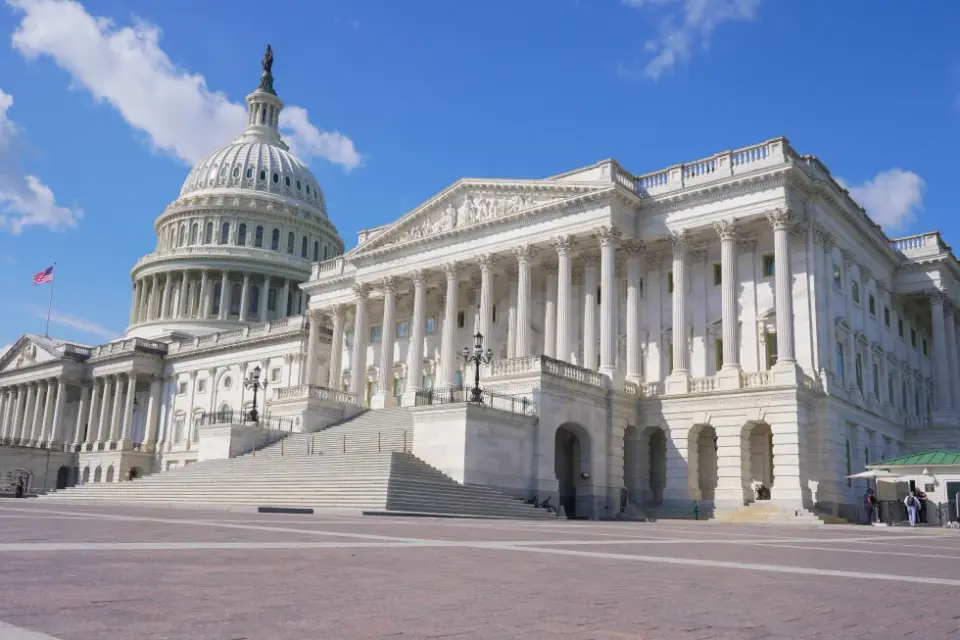
The U.S. House passed the Lindsey O. Graham Sanctioning Russia and Iran Act of 2026 by a 262-159 vote, sending it to President Trump for signature. The bill authorizes tariffs up to 500% on Russian imports and 100% on major buyers of Russian energy, while expanding sanctions on Moscow’s financial sector and Iran. Although the measure received bipartisan support, it faced significant opposition from House Democrats who argued it grants the president excessive tariff authority without mandatory enforcement mechanisms. The legislation, which had cleared the Senate 86-11 in August, was championed by Republicans as a tool to pressure Russia into negotiations, while critics warned it could harm U.S. allies and raise domestic prices.
Key points
- The House approved the Russia sanctions bill with a 262-159 vote, following an 86-11 Senate passage in August.
- The legislation allows tariffs up to 500% on Russian goods and 100% on top five buyers of Russian oil and gas.
- It includes expanded sanctions on Russian officials, banks, and the 'shadow fleet,' as well as new penalties for Iran.
- 58 Democrats voted in favor of the bill, while 152 opposed it, citing concerns over presidential tariff discretion.
- President Trump is expected to sign the bill into law, having previously supported the inclusion of Iran sanctions.
- The bill was named after late Senator Lindsey Graham, who died in July 2026 after championing the measure.
Background
The bill had been stalled in the House since the Senate passed it in August 2026. Previous attempts to advance the measure faced resistance from House Republicans concerned about granting the president broad tariff powers, as well as from Democrats wary of potential misuse against allies. The legislation underwent revisions to secure White House support, including the addition of a five-year extension of sanctions on Iran. The vote occurred on the final day of House session before the November 3 midterm elections.
How outlets are covering it
Supporters, including Speaker Mike Johnson and Rep. Michael McCaul, argued the bill is necessary to cripple Russia’s war economy and force Vladimir Putin to the negotiating table. They emphasized that tariffs are harder to evade than traditional sanctions. Critics, led by House Democratic leader Hakeem Jeffries and Rep. Don Beyer, contended the bill grants Trump unchecked tariff authority that could be used against U.S. allies or waived entirely, thereby undermining long-term support for Ukraine. Fox News highlighted the bipartisan nature of the vote, noting that some Democrats defied party leadership to ensure passage. CNBC focused on the economic impact, noting the bill targets China and India as major purchasers of Russian crude. AP News reported on the emotional appeal from Ukrainian President Volodymyr Zelenskyy, who urged the House to pass the bill despite its imperfections.
Why it matters
The passage of this bill represents a significant shift in U.S. economic policy toward Russia, potentially impacting global energy markets and trade relationships. It grants the executive branch substantial new leverage over international trade, which could have broader implications for U.S. alliances and domestic consumer prices. The outcome also reflects the complex dynamics of bipartisan cooperation on foreign policy issues amid partisan divisions over domestic economic priorities.
What to watch
President Trump is expected to sign the bill into law. The White House has confirmed its intention to do so. Implementation of the tariffs and sanctions will likely face legal challenges from critics who argue the provisions are unconstitutional or overly broad. The bill’s impact on global energy prices and U.S. trade relationships with countries like China and India will be closely monitored in the coming months.
- House approves sweeping Russia sanctions bill, sending it to Trump AP News
- House passes sweeping Russia sanctions bill honoring Lindsey Graham, sends to Trump CNBC
- House agrees most aggressive sanctions on Russia since Trump’s re-election The Telegraph
- Democrats begrudgingly hand Trump victory on tariffs in sprawling sanctions bill Fox News
- Some Republicans privately fear Russia sanctions bill will give Trump too much power on tariffs CNN
Want the full story? Read the original reporting
Read on AP News