
House Democrats Join Republicans to Shelve Trump Impeachment Bid Ahead of Midterms
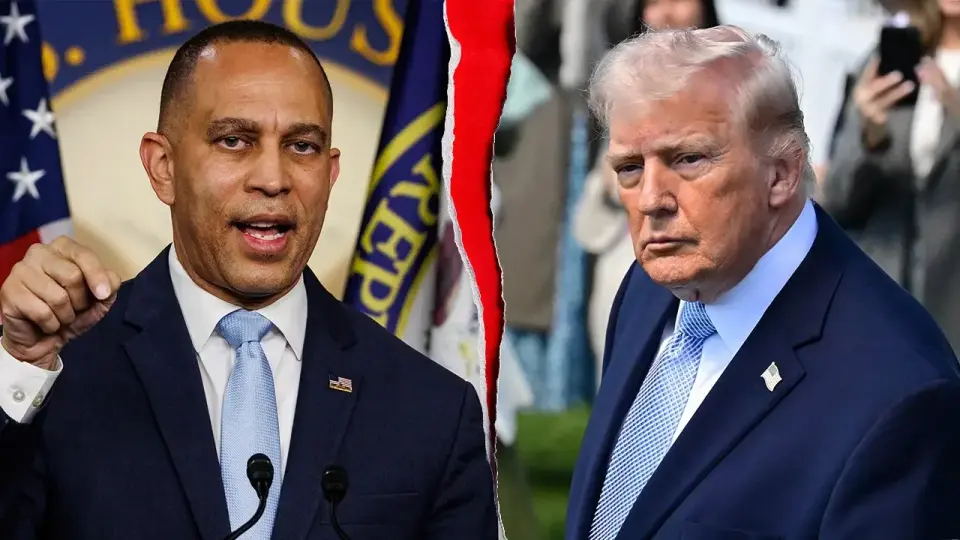
On September 15, 2026, the House voted 232-147 to table an impeachment resolution against President Donald Trump, effectively killing the measure. The vote was driven by a split in the Democratic caucus: 18 members voted to table the resolution alongside Republicans, while 46 voted 'present' following leadership guidance. Approximately 150 Democrats voted to advance the measure. The resolution, introduced by Rep. Al Green (D-Texas), cited the administration's handling of immigration enforcement and the deaths of two U.S. citizens. Democratic leaders argued that the necessary investigative groundwork had not been completed, prioritizing economic messaging for the upcoming November midterms. Green, who lost his primary in May, criticized the leadership for protecting the president, while Republican leaders condemned the Democratic attempt as obstructionist.
Key points
- The House voted 232-147 to table Rep. Al Green's impeachment resolution against President Trump on September 15, 2026.
- 18 House Democrats voted to table the measure with Republicans, while 46 voted 'present' to avoid a direct stance, as recommended by leadership.
- Approximately 150 Democrats voted to advance the resolution, highlighting a significant internal party divide.
- The resolution cited high crimes and misdemeanors related to the administration's immigration enforcement and the deaths of two U.S. citizens.
- Democratic leaders, including Minority Leader Hakeem Jeffries, argued that impeachment requires comprehensive investigation and that the party should focus on affordability for the midterms.
- Rep. Al Green, who lost his primary in May, criticized the vote as an attempt to protect the president, noting the Constitution has no 'wait clause.'
Background
This vote marks the fourth impeachment attempt against President Trump since his return to office and Green's eighth overall. In June 2025, a similar effort by Green was tabled with 128 Democrats joining Republicans. The current resolution follows a pattern of Democratic leadership prioritizing economic messaging over impeachment, as seen in August 2026 when Rep. Jim Clyburn argued that affordability should be the top priority if Democrats regain the House. The vote occurs less than two months before the November midterms, a period where Democratic leadership has sought to avoid polarizing issues to appeal to moderate and independent voters. Green's loss in the May primary also signals a shift within the party, as he was among several Democratic incumbents defeated by left-wing challengers.
How outlets are covering it
Fox News emphasized the fracture within the Democratic caucus, highlighting that 18 Democrats voted to table the resolution while 46 voted 'present' to avoid a direct stand, framing the move as a failure to hold the president accountable. The outlet quoted Rep. Al Green's criticism of leadership for 'protecting' Trump and Republican Majority Whip Tom Emmer's accusation that Democrats are the 'party of obstruction.' The Washington Post focused on the strategic decision by Democratic leadership to avoid injecting a 'political bomb' into the midterms, noting that the resolution was introduced without the blessing of party leaders. The Post highlighted the historical context of previous impeachments failing in the Senate and the reluctance to pursue a likely-futile effort that could provide campaign fuel for the GOP. Politico provided broader context on the day's legislative activity, noting that the impeachment vote was part of a larger day of contentious hearings and votes, including a separate push to impeach Defense Secretary Pete Hegseth by Rep. Thomas Massie (R-Ky.).
Why it matters
The vote underscores the strategic calculations of the Democratic caucus ahead of the November midterms, prioritizing economic messaging over high-risk impeachment efforts. It highlights the internal tensions between progressive members demanding action against the president and leadership focused on appealing to moderate voters. The outcome also signals the limits of impeachment as a tool when the opposing party controls the House and the Senate, as previous impeachments have failed to result in conviction. The vote may influence the party's approach to holding the administration accountable in the coming months, potentially shifting focus to oversight and investigations rather than formal impeachment proceedings.
What to watch
The immediate next step is the November 2026 midterm elections, where the outcome will determine whether Democrats can pursue impeachment or other accountability measures with a House majority. If Democrats regain control of the House, they may revisit impeachment efforts or pursue oversight and investigations, as suggested by leadership. If Republicans retain control, the likelihood of further impeachment attempts against the president diminishes. The vote may also influence the party's messaging and strategy in the final weeks of the campaign, with leadership emphasizing economic issues over impeachment. The outcome of the midterms will also determine the balance of power in Congress and the ability to hold the administration accountable through other means.
- 64 House Democrats help Republicans kill Trump impeachment effort Fox News
- House Kills Bid to Impeach Trump as Democrats Split The New York Times
- Most House Democrats vote to advance Trump impeachment Politico
- House Democrat pushes to impeach Trump over ICE Deseret News
- Democrats help turn back Trump impeachment resolution The Washington Post
Want the full story? Read the original reporting
Read on Fox News