
House Speaker Mike Johnson Resigns Leadership Role After Historic GOP Midterm Defeat
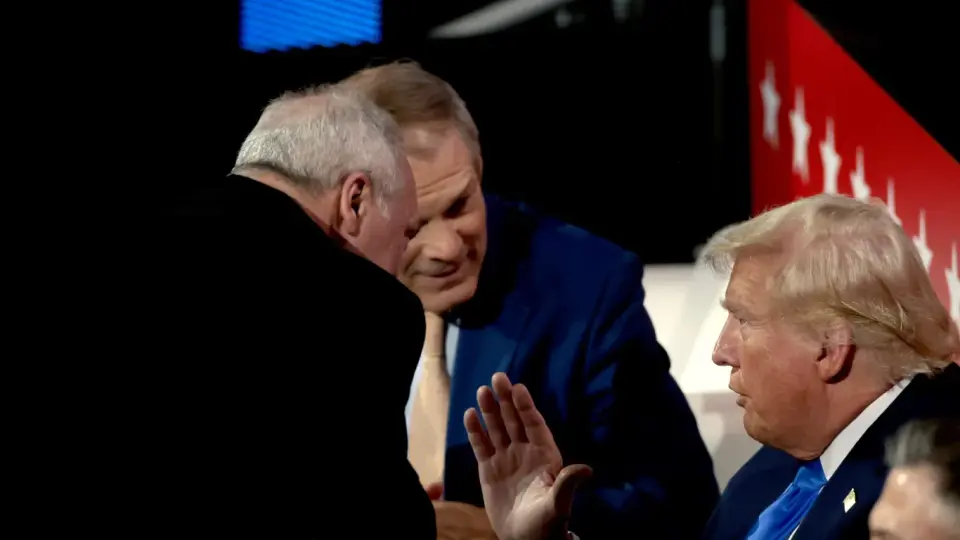
House Speaker Mike Johnson has withdrawn from the race to lead House Republicans in the next Congress following a historic midterm defeat that handed Democrats control of the chamber. The loss, described as the worst for the party in 50 years, has triggered an immediate internal power struggle between Majority Leader Steve Scalise and Judiciary Chair Jim Jordan. While Johnson cited personal tolls on his family, other GOP lawmakers are blaming the Trump administration’s policies, including the Iran conflict and economic issues, for the electoral collapse.
Key points
- Speaker Mike Johnson announced on Wednesday that he will not seek the House minority leader position, citing the impact on his family, after Democrats won the House majority.
- The 2026 midterm results represent the largest wave against the incumbent party in 50 years, with Republicans losing control of the House and facing significant losses in Senate races.
- A contested race for House minority leader is now underway between Majority Leader Steve Scalise and Judiciary Chair Jim Jordan, mirroring their 2023 speakership battle.
- Other leadership positions are also contested, including the minority whip (Tom Emmer vs. August Pfluger) and NRCC Chair (Rudy Yakym vs. Brian Jack).
- House Republicans are scheduled to elect their new leadership team via secret ballot on November 10, 2026.
Background
Prior to the election, internal polling indicated deep erosion in support for Trump-aligned candidates, leading GOP strategists to concede the House loss in October and shift resources to Senate survival. Some vulnerable Republican candidates had distanced themselves from President Trump to protect their seats, citing unpopular policies like the Iran conflict. The number of competitive House districts had shrunk to 37 due to redistricting, but the 2026 results suggest a broader rejection of the party's platform.
How outlets are covering it
Axios emphasizes the shift from 'shock' to 'fury' among Republicans, highlighting internal blame directed at leadership and Trump administration policies, specifically the Iran war and inflation. NBC News focuses on the procedural aspect of Johnson's withdrawal, noting he informed staff via phone call and that his future plans are unknown. Fox News frames Johnson's decision as a concession to a 'tidal wave' of Democrat victories, noting that Johnson had spent months campaigning to save the majority but failed. All sources agree on the scale of the loss and the immediate leadership vacuum, but differ on the primary cause: Axios and some lawmakers point to specific policy failures, while Fox News attributes it to historical midterm trends and voter shifts among young and independent voters.
Why it matters
The collapse of the Republican House majority marks a significant shift in the balance of power in Congress, allowing Democrats to pursue investigations into the Trump administration and tackle affordability issues. The internal GOP leadership battle will determine the party's strategy for the 2028 cycle and its ability to recover from a historic electoral defeat. The outcome of the November 10 leadership vote will shape the tone of the Republican minority and its relationship with the White House.
What to watch
House Republicans will hold a secret-ballot election on November 10, 2026, to select their new leadership team, including the minority leader, whip, and NRCC Chair. The winner of the minority leader race between Scalise and Jordan will set the direction for the party's opposition strategy. Democrats, now in control of the House, plan to investigate Trump administration actions and address affordability concerns. The long-term impact on the Republican Party's platform and its relationship with President Trump remains to be seen.
- House Republicans swing from "shock" to fury after elections loss Axios
- House Speaker Mike Johnson won’t stay on as Republican leader after GOP losses NBC News
- Mike Johnson not running to lead House GOP after historic midterm losses Fox News
- Jim Jordan launches bid to lead House GOP , promises ‘straight-shooting’ Politico
- Steve Scalise Makes Bid to Lead Republicans After Losses WSJ
Want the full story? Read the original reporting
Read on Axios