
ICE expands airport detentions to visa overstayers via new TSA data sharing
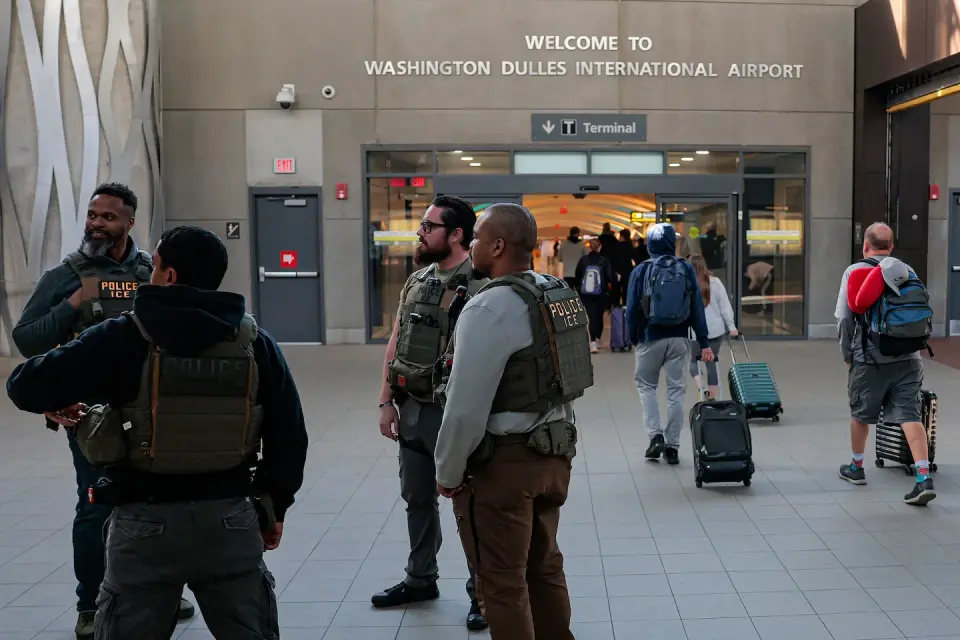
ICE is intensifying immigration enforcement at U.S. airports, specifically targeting travelers on domestic flights who have overstayed visas. This shift relies on a new information-sharing agreement between ICE and the Transportation Security Administration (TSA). While previous operations focused on those with final removal orders, the current strategy uses name-matching at check-in counters to detain individuals without prior warrants or home visits. At least 27 people have been arrested under this new protocol, including those with valid work authorization. The move has drawn criticism from privacy advocates and legal experts who argue that passenger data should not be used for broad immigration surveillance.
Key points
- ICE is now targeting travelers on domestic flights who legally entered the U.S. but overstayed their visas, a shift from previous enforcement focused on those with final removal orders.
- A newly disclosed memorandum reveals an expanded information-sharing agreement between ICE and the TSA, allowing the use of passenger data for immigration enforcement.
- At least 27 individuals have been arrested at airports under this new strategy, including some with valid work authorization and no criminal history.
- Critics, including the watchdog group American Oversight, argue that this practice turns routine flight check-ins into immigration checkpoints, raising significant privacy concerns.
- The strategy gained national attention after a viral incident at Las Vegas airport, where ICE agents attempted to detain a man but paused due to bystander confrontation.
Background
This development follows a series of high-profile airport detentions earlier in July 2026. On July 18, a viral video showed ICE agents attempting to detain Phu Nguyen at Las Vegas airport, leading to his arrest at LAX. On July 25, Iryna Gorb, a long-term San Francisco resident, was detained at SFO for a visa that expired in 2011. These incidents highlighted the growing use of plainclothes agents in public spaces and sparked debates about accountability and the scope of federal immigration operations.
How outlets are covering it
The Washington Post emphasizes the expansion of ICE’s reach into domestic travel, noting that lawyers are seeing a new pattern of arrests at D.C.-area airports like Dulles. It highlights the efficiency of the new method, which bypasses traditional warrant processes. USA TODAY focuses on the legal and privacy implications of the TSA-ICE memorandum, quoting immigration attorney Rosanna Berardi on the lack of investigation involved in these 'name match' arrests. USA TODAY also highlights the concerns of privacy groups like American Oversight, who argue that passenger data should not be used for surveillance. Both sources agree on the factual increase in arrests but differ in emphasis: The Post focuses on the operational shift, while USA TODAY focuses on the legal and civil liberties implications.
Why it matters
This shift represents a significant change in how federal immigration enforcement is conducted, moving from targeted operations to broad, data-driven screening at public checkpoints. It raises questions about the boundaries of passenger privacy and the potential for mass detention without individualized warrants. For travelers, it means that routine domestic flights may now carry the risk of immigration detention, altering the landscape of civil liberties and public safety in U.S. airports.
What to watch
Immigration advocates and privacy groups are likely to challenge the TSA-ICE memorandum in court or through legislative action. ICE may continue to expand its use of airport data, potentially leading to more arrests and public incidents. The Department of Homeland Security has not yet responded to requests for comment, but its silence may indicate a lack of immediate policy reversal. Future developments may include legal challenges to the constitutionality of using TSA data for immigration enforcement and potential congressional hearings on the matter.
- ICE is expanding its arrests at airports to new targets, lawyers say The Washington Post
- ICE Arrests Surge at Airports, Opening New Front in Deportation Drive The New York Times
- At least 11 Bay Area residents have been detained in ICE airport crackdown San Francisco Chronicle
- TSA Is Helping ICE Ramp Up Arrests At Airports Forbes
- New ICE tactic targets travelers at US airports usatoday.com
Want the full story? Read the original reporting
Read on The Washington Post