
Inspector General Report Details Toxic Culture and Misconduct Under Former Labor Secretary Chavez-DeRemer
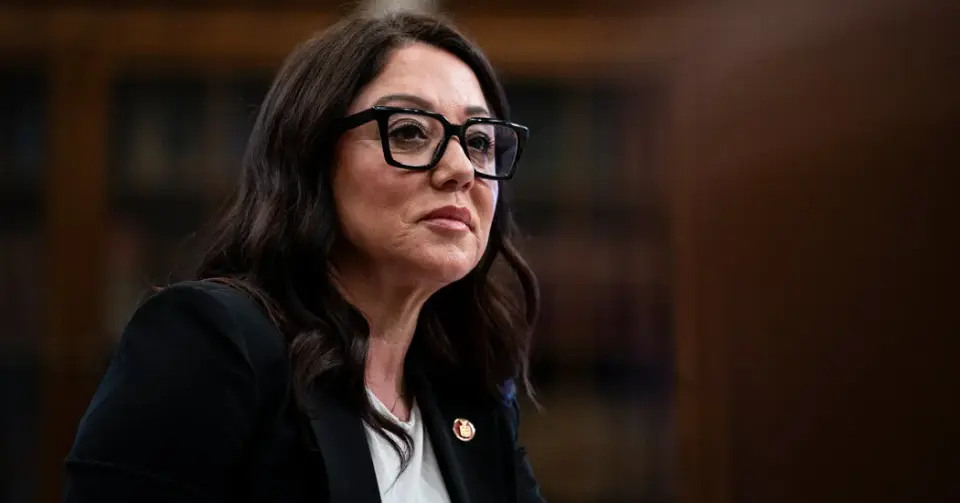
A new report by the Labor Department’s inspector general reveals that former Secretary Lori Chavez-DeRemer fostered a toxic work environment, tolerated harassment, and misused public funds for personal travel. The 40-page document, released on September 3, 2026, details repeated policy violations that contributed to her resignation in April after one year in office.
Key points
- The Labor Department’s inspector general, Anthony D’Esposito, released a 40-page report on September 3, 2026, detailing misconduct by former Secretary Lori Chavez-DeRemer.
- The report found that Chavez-DeRemer violated department policies by spending public money on personal travel and engaging in an 'inappropriate relationship' with a member of her security detail.
- More than 30 witnesses described the secretary’s office as 'toxic, intimidating and humiliating,' and the report noted that she tolerated harassment within the agency.
- Chavez-DeRemer resigned in April 2026 after one year in the role, amid multiple scandals and investigations.
- The findings emerged from an investigation into a whistleblower’s allegations against the former secretary.
Background
This report follows a period of significant turmoil at the Labor Department. In July 2026, the Senate HELP Committee advanced Keith Sonderling’s nomination to lead the agency, with acting duties assumed since Chavez-DeRemer’s departure. Concurrently, the department faced legal challenges, including a California federal court ruling in August 2026 that deemed the agency’s H-2A wage-cutting rule unlawful. Additionally, federal inspectors found child labor and wage violations at San Antonio La Panadería locations in August 2026, highlighting ongoing scrutiny of labor enforcement standards during this transition period.
Why it matters
The report underscores deep dysfunction within the Trump administration’s labor policies, raising questions about the integrity of federal oversight and the treatment of workers. It highlights how internal toxicity and policy violations can undermine public trust in government agencies, particularly those responsible for enforcing labor standards and protecting workers' rights.
What to watch
The Labor Department is expected to implement corrective measures based on the inspector general’s findings. Keith Sonderling, who assumed acting duties, may face further scrutiny as the agency navigates the aftermath of the report. Additionally, ongoing legal challenges, such as the H-2A wage rule case, will likely continue to shape the department’s operational and legal landscape.
Want the full story? Read the original reporting
Read on The New York Times