
Judge Blocks Trump's White House Media Ban, DOJ Appeals
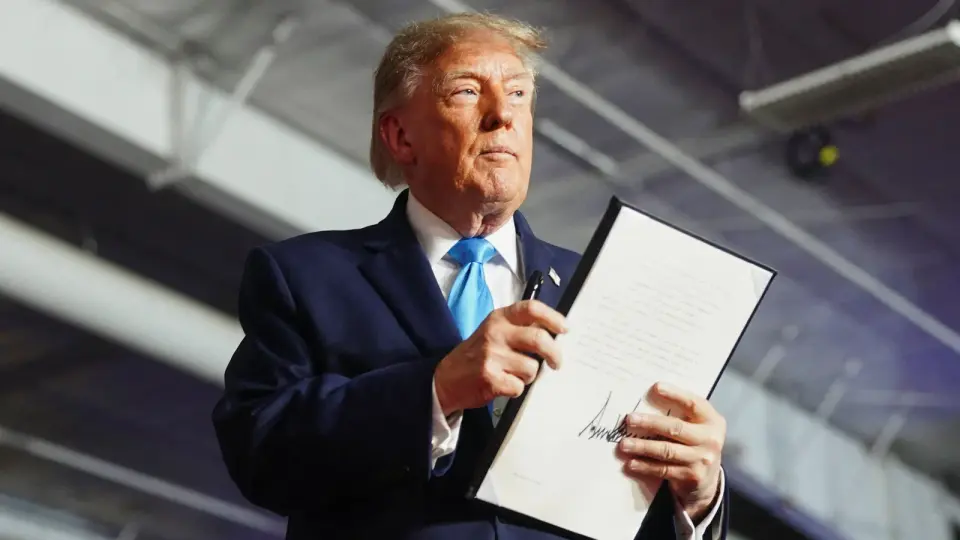
A federal judge has issued a preliminary injunction blocking President Trump's ban on CNN, MS NOW, and Politico from the White House, ruling it likely violates the First Amendment and due process. The Justice Department has appealed the decision, while the administration maintains that access is a privilege and cites national security concerns.
Key points
- U.S. District Judge Timothy Kelly, a Trump appointee, issued a preliminary injunction on Oct. 13, replacing a temporary restraining order, to preserve White House access for CNN, MS NOW, and Politico.
- Kelly ruled that the outlets are likely to succeed in proving the ban violated their First Amendment rights through viewpoint discrimination and retaliation, as well as Fifth Amendment due process rights.
- The judge rejected the administration's national security justification, calling it a 'post-hoc' rationale, noting Trump's public statements focused on 'fake news' rather than security.
- The Department of Justice announced an appeal to the U.S. Court of Appeals for the D.C. Circuit less than a day after the ruling.
- Despite the injunction, CNN and Politico remain barred from traveling on Air Force One, a restriction the White House describes as a privilege, not a right.
- The lawsuit names Trump, White House chief of staff Susie Wiles, Secret Service Director Sean Curran, and communications director Steven Cheung as defendants.
Background
This dispute began on Sept. 18, 2026, when President Trump announced on social media that he was banning CNN, MS NOW, and Politico from the White House, citing 'cumulative stories' and 'fake news.' A temporary restraining order was issued on Sept. 24, restoring access for 14 days. The current preliminary injunction extends this protection indefinitely as the lawsuit proceeds.
How outlets are covering it
The White House and Justice Department argue that White House access is a privilege, not a right, and that the targeted outlets pose national security risks due to their reporting on classified information. In contrast, the plaintiffs' attorney, Theodore J. Boutrous Jr., stated that the ban was an explicit violation of the First Amendment and due process, aimed at punishing critical reporting. Free speech advocates have expressed alarm, arguing that undermining a free press weakens democracy. Judge Kelly, while ruling in favor of the outlets, cautioned that the government retains authority to protect national security when classified information is unlawfully disclosed, but found no evidence that security was the initial motivation for the ban.
Why it matters
The ruling sets a significant precedent for press freedom and the limits of executive power over media access. It highlights the tension between the administration's stance on 'fake news' and constitutional protections for the press, with potential implications for future conflicts between the White House and news organizations.
What to watch
The Justice Department's appeal to the D.C. Circuit will determine whether the preliminary injunction holds. The lawsuit will continue in federal court, with a final ruling pending. The administration may continue to enforce restrictions, such as barring reporters from Air Force One, while the legal battle proceeds.
- Judge grants CNN, MS NOW and Politico longer-term White House access USA Today
- Trump to appeal order blocking White House from banning MS NOW, CNN and Politico CNBC
- White House Media Ban: Press Attorney Says Trump Legal Battle Signals ‘Dangerous Problem’ for Journalists Yahoo
- Judge deals another blow to Trump’s White House media bans The Washington Post
- News outlets win a round against Trump’s press ban — but the fight is far from over CNN
Want the full story? Read the original reporting
Read on USA Today