
Judge clears path for deportation of Milwaukee mosque leader, but legal battles continue
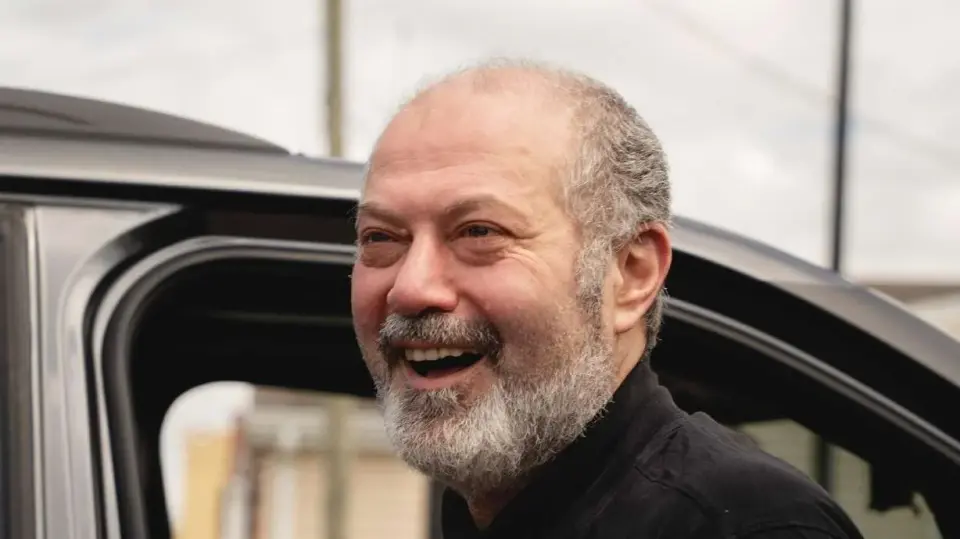
A U.S. immigration judge ruled that Salah Sarsour, president of the Islamic Society of Milwaukee, is deportable on national security grounds. The decision relies on a 2025 memo by Secretary of State Marco Rubio, which cited Sarsour's pro-Palestinian advocacy as a threat to foreign policy. Although the judge rejected claims that Sarsour lied on immigration forms, he accepted the government's argument that Sarsour's past convictions in Israel justify removal. Sarsour, a lawful permanent resident since 1993, plans to appeal, arguing that deportation would expose him to torture. The ruling does not mandate immediate removal, and Sarsour remains in the U.S. while legal proceedings continue. The case highlights tensions between free speech protections and executive power in immigration matters.
Key points
- Judge Jayme Salinardi ruled that Salah Sarsour is deportable based on a 2025 memo from Secretary of State Marco Rubio, which deemed his advocacy for Palestinian rights a threat to U.S. foreign policy.
- The judge rejected the government's claim that Sarsour lied on his green card application or illegally registered to vote, but accepted that his 1988 and 1995 convictions in Israel make him removable.
- Sarsour, who has lived in the U.S. since 1993, plans to appeal the decision and seek deferral of removal under the Convention Against Torture, arguing he would face torture if returned to Israel or Jordan.
- The ruling does not mandate immediate deportation; Sarsour remains in the U.S. while his legal team prepares for a relief hearing expected in early 2027.
- Sarsour's attorneys argue the government waited decades to act despite knowing about his Israeli convictions, suggesting the case is politically motivated to silence pro-Palestinian speech.
Background
This case follows a broader pattern of the Trump administration using rarely used immigration provisions to target pro-Palestinian activists, including students Mahmoud Khalil and Mohsen Mahdawi. Sarsour was detained by ICE in March 2026, sparking outcry in Milwaukee's Muslim community. A federal judge had previously ordered his release in June, citing First Amendment concerns, but the government appealed that decision. The case also intersects with ongoing debates about the treatment of Palestinian prisoners in Israeli military courts and the use of executive power in immigration enforcement.
How outlets are covering it
KSL.com emphasizes the national security rationale and the judge's reliance on Rubio's memo, while WISN highlights the local impact on Milwaukee's Muslim community and the political motivation behind the arrest. The Milwaukee Journal Sentinel provides a detailed breakdown of the legal arguments, noting that the judge accepted the foreign policy charge but rejected the fraud and voting claims. All sources agree that Sarsour will not be deported immediately, but they differ in tone: KSL and WISN focus on the government's actions, while the Journal Sentinel critiques the judge's deference to the executive branch and the lack of due process in the ruling.
Why it matters
The ruling sets a precedent for the use of foreign policy provisions to deport long-term residents based on their political speech, raising concerns about First Amendment rights and the balance of power between the executive and judicial branches. It also highlights the risks faced by pro-Palestinian advocates in the U.S. and the potential for torture if they are deported to Israel or Jordan. The case may influence future immigration policies and the treatment of political activists in the U.S.
What to watch
Sarsour's legal team will file for deferral of removal under the Convention Against Torture, with a hearing expected in early 2027. If that fails, they plan to appeal to the Board of Immigration Appeals and then the Seventh Circuit Court of Appeals. The government cannot deport Sarsour until all legal avenues are exhausted. The case may also face challenges in the habeas corpus proceedings, where a federal judge has paused the case while the government appeals the order to release Sarsour from ICE custody.
- US can deport the leader of Wisconsin's largest mosque on national security grounds, judge rules KSL.com
- Salah Sarsour, Islamic Leader in Wisconsin, Can Be Deported, Judge Rules The New York Times
- Immigration judge rules US can deport president of Wisconsin's largest mosque Reuters
- Immigration judge rules U.S. can deport Islamic Society of Milwaukee president WISN
- Islamic Society of Milwaukee leader is deportable, judge rules; case ongoing Milwaukee Journal Sentinel
Want the full story? Read the original reporting
Read on KSL.com