
Court Compels DOJ to Reveal Architects of Abandoned $1.8 Billion Compensation Fund
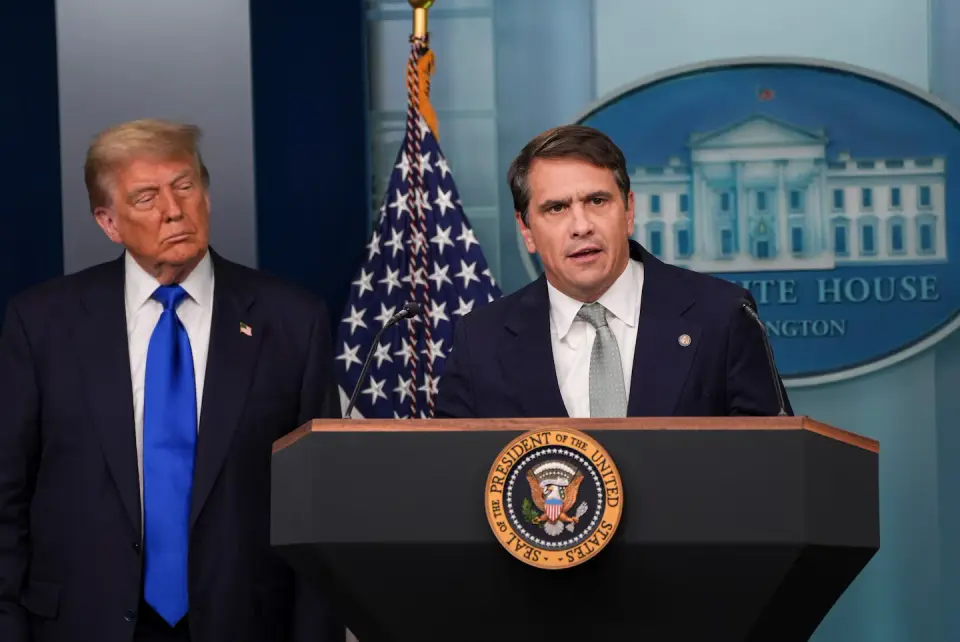
A federal magistrate judge has ordered the Trump administration to identify the individuals who conceived the now-defunct $1.8 billion 'Anti-Weaponization Fund.' The fund, intended to compensate those claiming unfair prosecution by the Justice Department, was abandoned after bipartisan backlash. The Justice Department is appealing the ruling and seeking to dismiss the underlying lawsuit, which alleges the fund was unconstitutional.
Key points
- A federal magistrate judge ruled on Friday that the Trump administration must disclose the names of those who originated the $1.8 billion payout fund.
- The fund, known as the 'Anti-Weaponization Fund,' was designed to compensate individuals who claimed they were unfairly investigated by the Justice Department.
- The administration abandoned the fund in June 2026 following significant opposition from both Republicans and Democrats in Congress.
- The Justice Department is currently appealing the disclosure order and is attempting to have the lawsuit dismissed.
- Acting Attorney General Todd Blanche had previously asserted the fund was dead, but President Trump publicly contradicted him before acknowledging its cancellation.
Background
The 'Anti-Weaponization Fund' emerged from the Trump administration's efforts to address perceived injustices from prior administrations. In August 2026, President Trump pledged to push for legislation to create the fund while retaining Todd Blanche as acting attorney general, despite Blanche insisting the fund was defunct. This contradiction, along with concerns that the fund might inadvertently reward January 6 attackers, led to bipartisan skepticism. The fund was ultimately abandoned in June 2026 after a revolt within the Republican party, with some members demanding proof of its cancellation. This latest court order is part of ongoing legal battles surrounding the fund's constitutionality and the administration's handling of related settlements, including a separate IRS case where a judge criticized the misuse of courts.
Why it matters
This ruling highlights the ongoing legal and political battles surrounding the Trump administration's attempts to address perceived injustices from prior administrations. The disclosure of the fund's architects could reveal internal conflicts and decision-making processes within the administration, potentially impacting future legal proceedings and public trust in the Justice Department. The case also underscores the tensions between the executive branch and the judiciary, as well as the challenges of implementing controversial policies in a polarized political environment.
What to watch
The Justice Department is expected to appeal the magistrate judge's ruling and continue its efforts to dismiss the lawsuit. The outcome of this case could have significant implications for the administration's handling of other controversial policies and settlements. Additionally, the disclosure of the fund's architects may lead to further scrutiny of the administration's decision-making processes and potential conflicts of interest.
Want the full story? Read the original reporting
Read on The Washington Post