
Judge Disqualifies Essayli from California Voting Lawsuit, But Order Stayed Pending Appeal
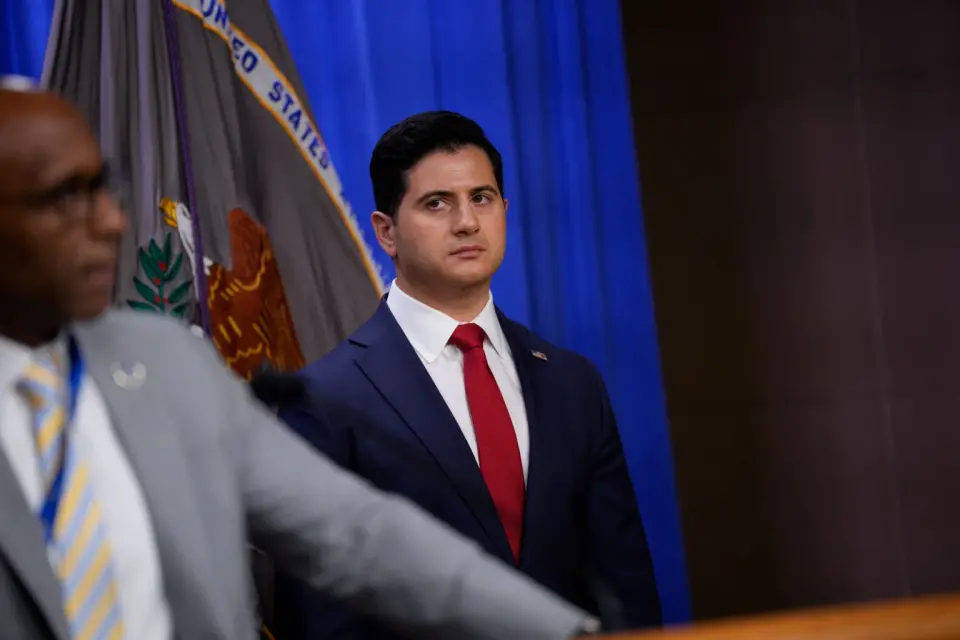
A federal judge ruled that Bill Essayli, the top prosecutor in Los Angeles, is unlawfully serving as a de facto U.S. Attorney and disqualified him from two criminal cases. However, the order was stayed, allowing Essayli to continue leading the office and the DOJ’s lawsuit against California’s voter rolls while the government appeals. The ruling follows a similar 9th Circuit decision in Nevada and highlights ongoing disputes over unconfirmed federal appointments.
Key points
- Judge J. Michael Seabright ruled Essayli is unlawfully serving as a de facto U.S. Attorney and disqualified him from overseeing two criminal prosecutions.
- The disqualification order was stayed, allowing Essayli to continue running the Central District of California U.S. Attorney’s office and the DOJ’s California voting lawsuit.
- Essayli, a former Republican state lawmaker and Trump ally, was appointed interim U.S. Attorney in April 2025 but never received Senate confirmation.
- The ruling follows a 9th Circuit decision in August 2026 that invalidated a similar arrangement for Nevada’s U.S. Attorney, Sigal Chattah.
- The Trump administration has asked the Supreme Court to review the Nevada case, arguing that lower courts erred in finding unconfirmed appointments unlawful.
Background
This dispute is part of a broader national battle over the Trump administration’s efforts to install loyalist prosecutors without Senate confirmation. Similar rulings have disqualified Alina Habba in New Jersey and John Sarcone in upstate New York. In California, Essayli has been a key figure in the DOJ’s lawsuit targeting voter rolls, which critics argue are inaccurate and violate federal quiet-period laws. The administration has faced judicial setbacks but continues to pursue voter roll purges and legal challenges to election integrity, prompting state and local officials to prepare defensive legal strategies.
How outlets are covering it
The DOJ and Essayli argue that the President and Attorney General have the right to select supervisors within the Justice Department, and that the order is stayed pending appeal. Essayli stated he expects the Supreme Court to ultimately decide the matter. Defense attorneys, including H. Dean Steward, called the ruling a victory for the rule of law and the U.S. Constitution, accusing the Trump administration of violating laws governing U.S. Attorney appointments to install loyalists. The 9th Circuit’s prior ruling in Nevada supports the view that unconfirmed officials cannot lead U.S. Attorney’s offices, while the DOJ argues that federal law allows the Attorney General to delegate powers to a first assistant. The LA Times and The Guardian emphasize the significance of the ruling for the rule of law, while the Orange County Register notes the potential for similar challenges to other unconfirmed prosecutors.
Why it matters
The ruling underscores the ongoing legal and political battles over the legitimacy of unconfirmed federal appointments, particularly in the context of the Trump administration’s efforts to influence elections and prosecute political opponents. The stay of the order allows Essayli to continue leading the DOJ’s California voting lawsuit, which seeks to block ballots from alleged noncitizens, a move that has been criticized as flimsy and potentially illegal. The outcome of the Supreme Court’s review of the Nevada case could have nationwide implications for the appointment of federal prosecutors and the administration’s ability to pursue its legal agenda.
What to watch
The DOJ has five business days to seek a full stay of the disqualification order. If the stay is denied, the disqualification would take effect one week later, subject to further orders from Seabright or an appellate court. The Supreme Court has not yet decided whether to take up the Nevada case, but a ruling could affect Essayli’s and Chattah’s disqualifications. Essayli expects to continue serving in his current role until the Supreme Court decides the matter, and the DOJ is likely to appeal the ruling to the 9th Circuit or Supreme Court.
- Trump prosecutor leading California voting lawsuit disqualified from post, but order stayed Democracy Docket
- Federal judge rules top US prosecutor in Los Angeles Bill Essayli isn't legally serving ABC7 Los Angeles
- Judge disqualifies Trump appointee for ‘unlawfully serving’ as prosecutor The Guardian
- Judge finds L.A.’s top federal prosecutor is unlawfully serving, bars him from two cases Los Angeles Times
- Judge rules Bill Essayli cannot serve as chief federal prosecutor, removes him from 2 cases Orange County Register
Want the full story? Read the original reporting
Read on Democracy Docket