
Judge Rochon Halts $20M in Taxpayer-Funded Pro-Trump Ads Ahead of Midterms
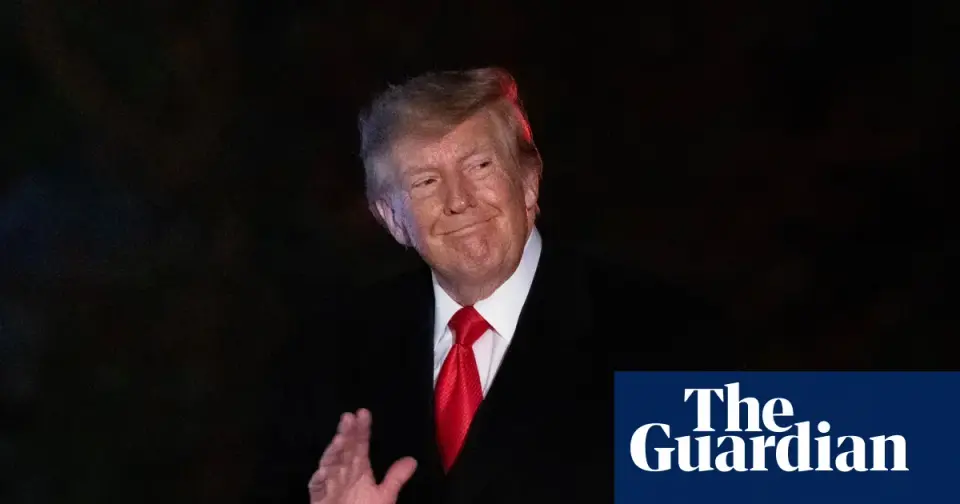
A federal judge has issued a temporary restraining order blocking the Trump administration from airing or renewing a $20 million slate of taxpayer-funded television advertisements. The ads, which promoted the president ahead of the November 3 midterm elections, were funded by the Department of Homeland Security. The ruling, effective immediately, prevents the government from using appropriated funds for political messaging, though officials stated they do not plan to reimburse the government for money already spent.
Key points
- Judge Jennifer L. Rochon of the Southern District of New York issued a temporary restraining order effective at 6:45 pm ET on Sunday, halting the broadcast of the ads for at least 14 days.
- The order prohibits the administration from entering, renewing, or expanding any agreements for the development or airing of the challenged advertisements.
- The lawsuit was filed by a coalition including Common Cause, Service Employees International Union Local 32BJ, and Alabama state house Democratic candidate Robert Hunter.
- The ads, which cost taxpayers over $12 million according to tracking firm AdImpact, aired on major networks including ABC, CNN, NBC, and Fox News, as well as during NFL games and late-night shows.
- The Department of Justice argued the injunction was unnecessary because the ad campaign was already ending, but the court ruled the plaintiffs were likely to succeed on the merits.
- The White House referred to a post by President Trump in which he called the ads 'standard' but stated he would fund them personally through his political movement to avoid further backlash.
Background
This ruling follows a series of earlier reports from our archive detailing the immediate legal challenges to the ad campaign. Previous coverage noted that the administration initially claimed the campaign would end naturally, but the court determined the lawsuit was not moot. The ads were funded through the Customs and Border Protection budget, a detail highlighted in earlier briefings that underscores the specific appropriation being contested.
How outlets are covering it
The primary source, The Guardian, emphasizes the legal basis of the ruling, noting that the judge found the plaintiffs likely to succeed on the merits and that the ads constituted a 'blatant abuse of authority.' The secondary source, Fortune, highlights the administration's defense, noting that the Justice Department argued the conduct would end 'tomorrow' and that the White House characterized the ads as public service announcements. Fortune also notes that the ads differ from past public service announcements because they were not aimed at helping the public benefit from specific government programs, but rather glorified the president. Both sources agree on the core facts of the $20 million budget and the immediate halt, but differ in emphasis on the administration's justification versus the legal violation.
Why it matters
This ruling sets a precedent for the use of taxpayer funds in political messaging ahead of elections. It highlights the tension between executive power and the separation of powers, as the court intervened to prevent the use of government machinery for partisan advantage. The decision may influence future campaigns and government spending on media, potentially limiting the ability of administrations to use public funds for political promotion.
What to watch
The temporary restraining order will remain in effect for at least 14 days, after which the case may proceed to a full hearing. The administration has stated it does not plan to reimburse the government for the approximately $19 million already spent. The Democratic National Committee has filed a separate lawsuit in Washington, D.C., seeking a similar halt. The outcome of these legal challenges will determine whether the ads can resume or if the funds must be returned to the government.
- Federal judge orders temporary halt to taxpayer-funded pro-Trump TV ads The Guardian
- Federal Judge Bars Trump Administration From Airing Publicly Funded Ads The New York Times
- Judge orders Trump to cancel $20 million in taxpayer-funded political ads ahead of the midterms Fortune
- Judge Says Pro-Trump Ads Funded by Taxpayers Must Be Taken Off Air WSJ
- Judge blocks Trump administration from airing taxpayer-funded campaign-style ads The Washington Post
Want the full story? Read the original reporting
Read on The Guardian