
Judge Sentences Ex-Congressman David Rivera to 10 Years for Secret Venezuela Lobbying Scheme
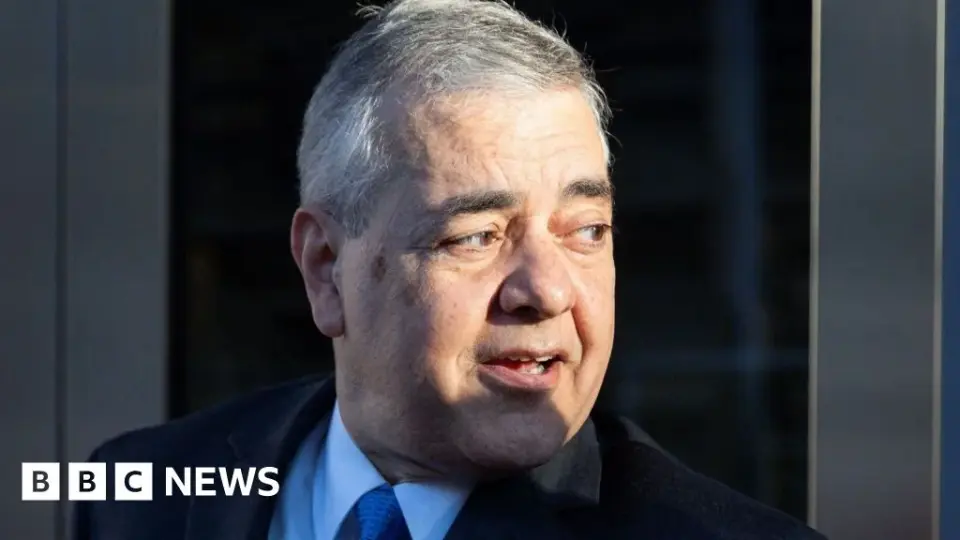
Former US Representative David Rivera has been sentenced to 10 years in federal prison for money laundering and acting as an undeclared foreign agent. The conviction stems from a secret $50 million contract with a US subsidiary of Venezuela's state oil company, PDVSA, intended to influence US policy toward the Maduro government. Rivera must also forfeit his Florida properties. His co-defendant, political consultant Esther Nuhfer, was also found guilty. While the defense argued the work was exempt commercial lobbying, the judge characterized it as a fraudulent scheme to bypass the Foreign Agents Registration Act.
Key points
- David Rivera, 61, was sentenced to 10 years in prison for conspiracy to commit money laundering and failure to register as a foreign agent.
- Rivera and co-defendant Esther Nuhfer received a $50 million contract for three months of work from PDV USA, a US affiliate of Venezuela's state oil company.
- The scheme involved secret lobbying efforts in 2017 and 2018 to influence Secretary of State Marco Rubio and other officials to ease sanctions on Venezuela.
- Rivera must forfeit his Florida properties as part of the sentence, and his associate Nuhfer was also convicted.
- Rivera faces additional federal charges in Washington, DC, related to a separate foreign lobbying case.
Background
Rivera served in the US House of Representatives from 2011 to 2013 as a Florida Republican. He was previously involved in other controversies, including allegations of secretly funding a Democratic spoiler candidate in 2012, though federal prosecutors dropped that case in 2025 after an appeals court ruling. He remains popular within Miami's Cuban American community, with supporters testifying in his favor during the sentencing hearing.
How outlets are covering it
The prosecution and the court emphasized the fraudulent nature of the scheme, with Judge Melissa Damian describing it as a 'classic money laundering case' and noting that the money came from the Maduro regime. Prosecutors argued that Rivera used the commercial contract as cover for illegal political lobbying and that the US public was the victim of this fraud. In contrast, the defense maintained that the $50 million contract was for legitimate commercial work aimed at luring ExxonMobil back to Venezuela, which is exempt from the Foreign Agents Registration Act. Defense attorney Ed Shohat argued that Rivera's only error was failing to file a registration form, and that his meetings with Rubio and Pete Sessions were focused on finding US-friendly leadership in Venezuela, not supporting Maduro. Both Marco Rubio and Pete Sessions testified that they were unaware of Rivera's activities and felt betrayed upon learning of the secret campaign.
Why it matters
The sentencing highlights the risks and consequences of undeclared foreign influence campaigns in US politics, particularly involving high-profile figures like former congressmen and current cabinet members. It underscores the importance of the Foreign Agents Registration Act in maintaining transparency in US foreign policy and the potential for significant legal repercussions for those who attempt to circumvent these regulations. The case also draws attention to the complex relationships between US political figures and foreign governments, and the potential for corruption and betrayal of public trust.
What to watch
Rivera's attorneys have indicated plans to appeal the conviction and had previously applied for a presidential pardon. Rivera also faces additional federal charges in Washington, DC, in a related foreign lobbying case, which may result in further legal proceedings and potential additional sentences. The outcome of these appeals and the additional charges will determine the final extent of Rivera's legal consequences.
- Ex-US congressman David Rivera sentenced to 10 years in prison for Venezuela lobbying bbc.com
- Former GOP Rep. David Rivera sentenced to 10 years for secret Venezuela lobbying Yahoo
- Ex-GOP lawmaker sentenced to 10 years in prison The Hill
- Former GOP congressman and longtime Rubio friend sentenced to 10 years for secret Venezuela lobbying CNN
- Former Florida Representative Sentenced to 10 Years in Prison The New York Times
Want the full story? Read the original reporting
Read on bbc.com