
Keisha Lance Bottoms Wins Georgia Governorship by 360,000 Votes, Becoming First Black Woman in Office
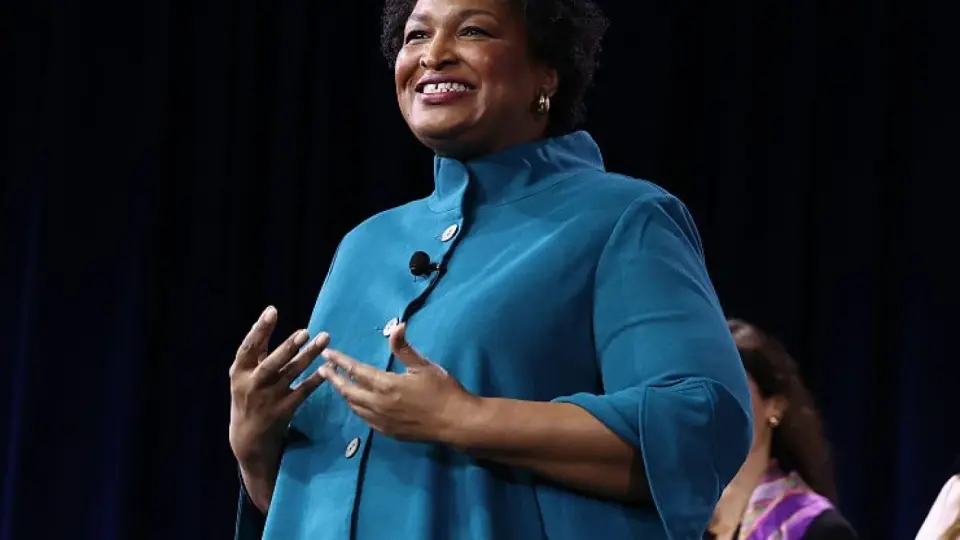
Keisha Lance Bottoms won the Georgia governor’s race by a wide margin, becoming the first Black woman to hold the office and the first Democrat to do so in over 20 years. Stacey Abrams credited her long-term voter engagement efforts for the Democratic sweep, which also included victories for attorney general and secretary of state. Bottoms plans to prioritize cost-of-living measures, including suspending the grocery tax and expanding Medicaid.
Key points
- Keisha Lance Bottoms defeated Republican candidate Rick Jackson by approximately 360,000 votes, a margin she described as unexpectedly lopsided.
- Bottoms will be the first Black woman and first female governor in U.S. history, joining 16 other women currently serving as governors.
- Incumbent Senator Jon Ossoff retained his seat, defeating Republican Representative Mike Collins.
- Stacey Abrams stated that the Democratic victories in governor, attorney general, secretary of state, and state house races allow Georgia to restore rights lost in the South over the past two decades.
- Bottoms identified cost-of-living issues, grocery tax suspension, Medicaid expansion, and pre-K funding as her top priorities for the first budget.
Background
This victory is part of a broader Democratic surge in the 2026 midterms, where the party secured governorships in traditionally Republican states like Texas and Ohio for the first time since 2006. Prior to the election, Georgia was considered a pivotal battleground, with approximately one in five former Trump supporters shifting their allegiance due to economic concerns and foreign policy disputes. The Democratic success in Georgia aligns with national trends where low presidential approval ratings and voter frustration with the economy drove turnout, helping Democrats retain Senate seats in Georgia, Maine, and Michigan.
How outlets are covering it
NPR emphasized the strategic role of Stacey Abrams and her organization Fair Fight Action, framing the results as the culmination of years of work to combat voter suppression and rebuild Democratic infrastructure. CBS News focused on the personal reaction of Keisha Lance Bottoms, highlighting her surprise at the decisive margin and her immediate policy agenda. While both outlets confirmed the lopsided nature of the win, NPR contextualized it within a broader narrative of rights restoration in the South, whereas CBS highlighted the historic firsts and the record number of women governors nationwide.
Why it matters
The election reshapes the political landscape in the South, ending a 20-year Republican hold on the Georgia governorship. The victory signals a significant shift in voter behavior, particularly among former Trump supporters, and establishes a new baseline for Democratic competitiveness in red states. Bottoms’ agenda on cost-of-living and healthcare could influence national policy discussions and set the tone for the 2028 presidential cycle.
What to watch
Bottoms will take office in January 2027, succeeding Republican Governor Brian Kemp. She plans to introduce a budget focused on suspending the grocery tax, expanding Medicaid, and fully funding pre-K and education. The Democratic control of the governor’s office, attorney general, and secretary of state positions the party to implement these policies and potentially challenge existing state laws related to voting rights and social services.
- Stacey Abrams says Democratic wins in Georgia offer opportunity for 'correcting and restoring rights' NPR
- Keisha Lance Bottoms Wins in Georgia to Become First Black Woman Elected U.S. Governor The New York Times
- Keisha Lance Bottoms and the long road from Crawfordville to Governor’s Mansion The Atlanta Journal-Constitution
- Most Georgia state-wide offices flipped democrat for the first time in over a decade. Here's what that means moving forward 13WMAZ
- Keisha Lance Bottoms surprised by lopsided win in Georgia governor's race: "I thought it could be much closer" CBS News
Want the full story? Read the original reporting
Read on NPR