
Kirk family alleges Utah officials’ security failures enabled Charlie Kirk’s assassination
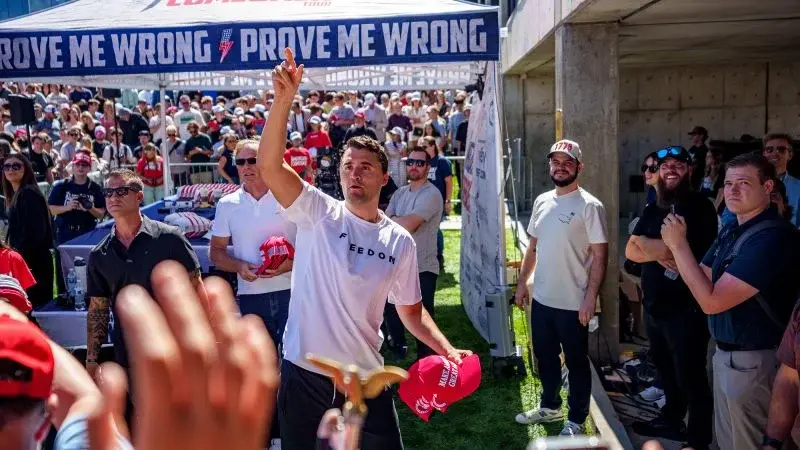
Charlie Kirk’s family asserts that security lapses by Utah officials and Utah Valley University (UVU) directly contributed to his assassination. The family claims UVU failed to provide an adequate security plan for his September 2025 campus appearance, including insufficient officer coverage, unmonitored rooftop access, and lack of real-time surveillance. These alleged failures created a foreseeable danger that allowed the attack to occur.
Key points
- The Kirk family states that UVU and Utah officials failed to implement a proper security plan for Charlie Kirk’s September 2025 campus event.
- Alleged security deficiencies included only six officers for approximately 3,000 spectators, unsecured rooftop access, and no real-time surveillance.
- The family argues these lapses created a foreseeable danger that led to Kirk’s assassination.
- The family has filed a notice of claim against UVU, the state, and campus leaders, seeking damages.
- The claim includes a state-created danger theory, alleging that the failure to protect Kirk constituted a breach of duty.
Background
Charlie Kirk was assassinated in September 2025 during a campus appearance at Utah Valley University. In the aftermath, his widow Erika and their two children filed a notice of claim against UVU, the state, and campus leaders, alleging that the university failed to provide adequate security resources. The filing included a state-created danger claim, asserting that the lack of a security plan and insufficient resources created a foreseeable danger. Kirk’s assassination has also fueled broader debates about campus speech and security, with organizations like FIRE noting increased censorship and disruptions at universities in the wake of the event. Additionally, a bronze statue of Kirk was unveiled in Times Square in September 2026 to mark the anniversary of his assassination, aiming to spark dialogue about freedom of speech.
Why it matters
The Kirk family’s allegations highlight the critical importance of security protocols for public figures and the potential legal consequences of failing to implement them. The case underscores the tension between free speech and safety on college campuses, a debate that has intensified since Kirk’s assassination. If the family’s claims are substantiated, it could set a precedent for holding institutions accountable for security failures that lead to fatal incidents. The case also reflects the broader societal impact of high-profile assassinations, influencing public discourse on campus security, free speech, and the responsibilities of institutions to protect speakers.
What to watch
The Kirk family’s notice of claim is expected to lead to further legal proceedings against UVU, the state, and campus leaders. The outcome of these proceedings could influence security policies at universities and other public venues. Additionally, the case may prompt a broader review of security protocols for public figures and the legal standards for institutional liability in cases of foreseeable danger. The ongoing debate about campus speech and security is likely to continue, with the Kirk family’s claims adding to the pressure on institutions to balance free expression with safety.
Want the full story? Read the original reporting
Read on CNN