
Economic Pain and Immigration Fears Drive Hispanic Voters Away from Trump Ahead of Midterms
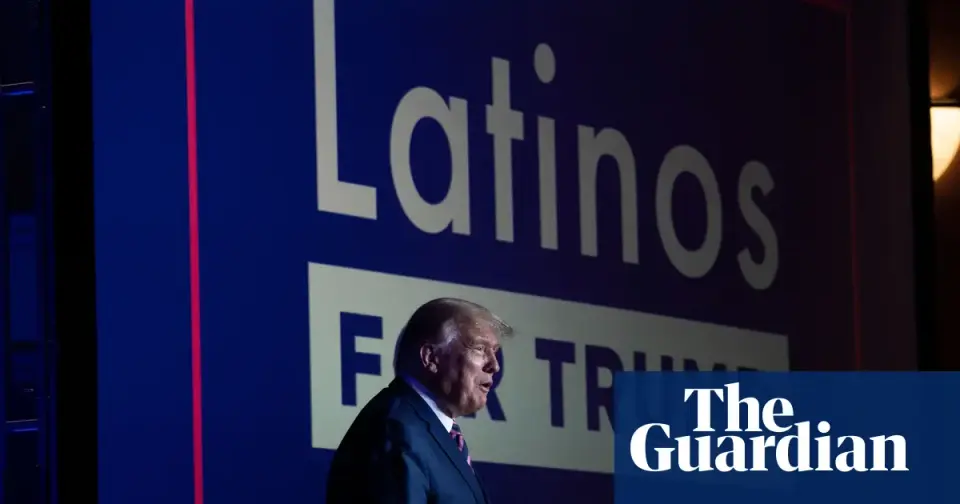
Multiple polls indicate a sharp decline in Hispanic support for President Donald Trump and the Republican Party ahead of the 2026 midterm elections. While Hispanics provided a record turnout for Trump in 2024, current data shows a significant shift toward Democrats, driven primarily by dissatisfaction with the economy and immigration enforcement. In key battleground states like Texas and Florida, Democratic candidates are now competitive or leading in districts that voted heavily for Republicans two years ago. Analysts note that this shift is fueled by anger over cost-of-living issues rather than a renewed affinity for the Democratic Party, though the White House maintains that Hispanic voters are finally experiencing economic relief.
Key points
- A September poll by The New York Times and Siena University found that 65% of Hispanic voters are displeased with Trump’s job performance, and 78% prefer Democratic control of Congress.
- CNN data analyst Harry Enten reported that Trump’s net approval among Hispanic voters has dropped from +6 in early 2024 to -34, a 40-point decline.
- In Texas, a Cook Political Report and TelevisaUnivision survey shows Democratic candidates leading GOP opponents by a 2-1 margin among Hispanic likely voters, with Trump’s approval in the state sinking to 33%.
- Specific races in Texas (TX-28, TX-34) and Florida (FL-22, FL-25) are now competitive or favoring Democrats, despite being redrawn to favor Republicans based on 2024 results.
- The top concerns for Hispanic voters are cost of living and immigration enforcement, with 3.4% inflation and gas prices over $4 per gallon cited as major drivers of discontent.
Background
In 2024, Hispanic voters delivered a record turnout for Donald Trump, helping him win the presidency and Republicans gain control of Congress. This shift was particularly pronounced in Texas, where Trump won 55% of the Hispanic vote, including a near-sweep of border counties. Republicans subsequently redrew congressional maps in Texas and Florida to lock in these gains, assuming a permanent realignment. However, recent archive coverage from August and September 2026 highlighted growing tensions, including a Politico poll showing 50% of Americans viewing the deportation campaign as too aggressive, and warnings from GOP pollsters that economic pain could cost Trump swing voters. The current data confirms that these early warnings have materialized into a significant electoral shift.
How outlets are covering it
The Guardian and The Daily Beast emphasize the dramatic collapse of support, with The Daily Beast’s Harry Enten describing the loss of the demographic as a 'revolt.' The New York Magazine focuses on the specific failure of the 2024 realignment in Texas, noting that Democrats are leading in key Senate and gubernatorial races among Hispanics. FiftyPlusOne provides a more nuanced view, arguing that while Republicans have lost ground, the current Democratic lead among Hispanics (25 points) is not as high as in 2016 or 2018, suggesting the shift is driven by economic frustration rather than ideological alignment. The White House, via spokesperson Allison Schuster, counters that Hispanic voters are finally experiencing 'breaking room' from four years of economic pain under Democrats, citing tax cuts and inflation control as evidence of success. All sources agree that immigration enforcement is a secondary but significant driver of discontent, though The Guardian notes it is not the primary issue for the majority of Latino voters.
Why it matters
The shift in Hispanic voting patterns is critical for the 2026 midterms, as this demographic was instrumental in the Republican trifecta in 2024. If the trend continues, Democrats could reclaim control of Congress, particularly in key states like Texas and Florida where the party has historically struggled. The data suggests that economic policy, rather than immigration, is the primary driver of this shift, indicating that Republicans may face continued challenges with swing voters who prioritize cost-of-living issues. This could also impact the 2028 presidential race, as analysts warn that Latino voters are a changing cohort that does not have fixed party allegiances.
What to watch
The 2026 midterm elections will serve as the first major test of this shifting demographic. Campaigns in Texas and Florida are likely to intensify outreach to Hispanic voters, with Democrats emphasizing economic relief and Republicans attempting to distance themselves from Trump’s immigration policies. The White House may adjust its messaging to address economic concerns, though the current administration has so far dismissed the polling data. Future polls will determine whether the current shift is a temporary reaction to economic conditions or a more permanent realignment in the Hispanic electorate.
- Hispanic voters’ support for Trump wanes over economy and immigration The Guardian
- 2026 midterms: Why Trump’s Latino voters are fleeing him vox.com
- CNN Data Guru Reveals Trump Has Lost Key Voter Group The Daily Beast
- Republicans Are Losing Trump’s 2024 Gains With Texas Latinos New York Magazine
- Hispanic voters are moving back toward Democrats FiftyPlusOne
Want the full story? Read the original reporting
Read on The Guardian