
Legal experts question Pentagon’s public disclosure of fired general’s polygraph results
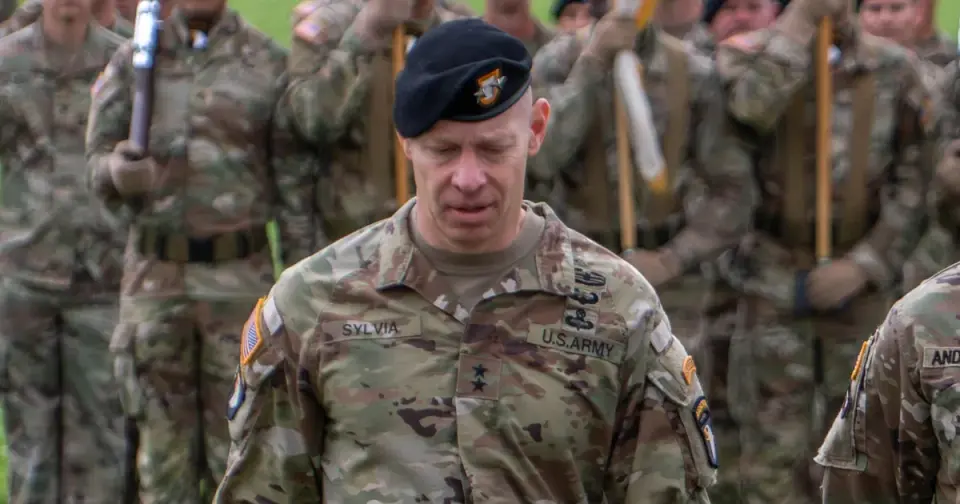
Defense Secretary Pete Hegseth fired Lt. Gen. Brett Sylvia, the Joint Staff’s top planner, over alleged leaks of classified information regarding Iran and Ukraine. While the Pentagon referred the case to the Justice Department, legal experts argue that publicly disclosing Sylvia’s failed polygraph tests violated the Privacy Act of 1974. The move marks the first time a senior uniformed officer has been referred for prosecution under Hegseth’s administration, continuing a broader campaign against perceived leaks to the media.
Key points
- Lt. Gen. Brett Sylvia was removed from his position as director of strategy, plans, and policy on the Joint Staff this week.
- The Pentagon referred the case to the Justice Department for potential criminal prosecution, citing 'severe misconduct' and unauthorized disclosures.
- An internal investigation report, obtained by Axios, indicates Sylvia admitted to leaking classified information to two reporters over a one-year period.
- Attorneys argue that publicly revealing the results of Sylvia’s polygraph tests violated the Privacy Act of 1974, which protects such records from disclosure.
- This is the first instance of a senior uniformed officer being referred for prosecution under Hegseth’s administration, following a series of firings of military and civilian leaders.
Background
This development follows a broader pattern of personnel changes in the Pentagon under Secretary Hegseth, who has aggressively pursued officials suspected of leaking information to the press. In previous cases, such as the firings of Dan Caldwell, Darin Selnick, and Colin Carroll, allegations of leaks were not substantiated by criminal charges. The current situation also follows a July 2026 announcement of a joint task force between the Defense Department and the Justice Department aimed at identifying leakers.
How outlets are covering it
Attorneys like Brad Moss and Cody Harnish argue that the Pentagon’s disclosure of polygraph results and the existence of a pending counterintelligence investigation violated the Privacy Act of 1974. They contend that such information is protected and that public disclosure could constitute 'Unlawful Command Influence' in any future military justice proceedings. Conversely, Frank Rosenblatt, a retired Army JAG officer, disagreed that the disclosure violated the Privacy Act but criticized the use of polygraph data, which is not admissible in court, as a basis for public accusations. The Pentagon, through spokesperson Sean Parnell, maintained a 'zero tolerance' stance on leaks but did not identify Sylvia by name in subsequent statements, a departure from earlier, more detailed disclosures. Two Pentagon sources disputed the claims of Sylvia leaking classified information, while The New York Times reported that Sylvia denied sharing sensitive information but acknowledged past interactions with journalists.
Why it matters
The case highlights the tension between national security protocols and civil liberties, particularly regarding the handling of sensitive personnel information. It also underscores the ongoing efforts by the Hegseth administration to curb leaks to the media, which has led to significant personnel changes in the Pentagon. The potential criminal prosecution of a senior military officer sets a precedent for how the administration will handle similar cases in the future.
What to watch
The Justice Department is expected to review the case and determine whether to pursue criminal charges against Sylvia. The Pentagon may also face legal challenges from Sylvia or his attorneys regarding the alleged violation of the Privacy Act. The outcome of this case could influence future policies on leak investigations and the handling of sensitive personnel information in the military.
- Pentagon disclosure about fired general's failed polygraph may have violated privacy laws, attorneys say CBS News
- General ousted by Hegseth referred for possible criminal prosecution, officials say The Washington Post
- Exclusive: Fired general admitted to leaking classified Iran and Ukraine info, report says Axios
- Pentagon offering military options to Trump as key midterm election deadline approaches Fox News
- Army general fired from Joint Staff was standout student-athlete in SC Lowcountry Yahoo
Want the full story? Read the original reporting
Read on CBS News