
Liberty Justice Center Sues to Block Trump's 50% Canadian Tariffs
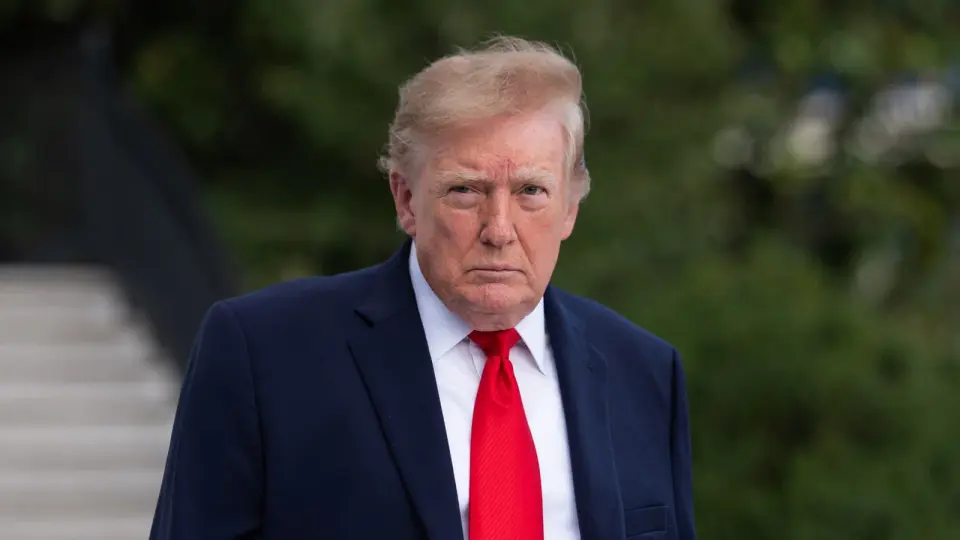
The Liberty Justice Center filed a lawsuit in the U.S. Court of International Trade challenging President Trump's 50% tariffs on Canadian goods. The suit, brought on behalf of New Jersey importer Gellert Global Group, argues that the administration's use of Section 338 of the 1930 Tariff Act is unlawful and procedurally flawed. The group seeks to have the tariffs declared invalid and demands refunds for duties already paid, marking the fourth major legal challenge against Trump's trade policies.
Key points
- Liberty Justice Center filed suit on behalf of Gellert Global Group, a New Jersey cheese importer facing $40 million in annual tariff costs.
- The lawsuit challenges the use of Section 338 of the 1930 Tariff Act, a law not used for tariffs in 96 years.
- Plaintiffs argue the law was 'impliedly repealed' by later legislation and that the administration failed to meet procedural requirements.
- The suit claims Canada's retaliatory tariffs do not constitute the 'discrimination' required by the statute to justify U.S. action.
- The case is the fourth major legal challenge by the Liberty Justice Center against Trump's tariff policies.
Background
This lawsuit follows a series of legal defeats for the Trump administration regarding trade policies. In February 2026, the Supreme Court struck down 'reciprocal' tariffs, forcing the government to refund an estimated $166 billion. The current dispute arises from a broader trade war with Canada, which escalated after the U.S. imposed 50% tariffs in August and subsequently banned nearly $1 billion worth of Canadian imports in September. Canadian Prime Minister Mark Carney responded with 'dollar for dollar' retaliatory tariffs, straining relations between the two nations.
How outlets are covering it
CNBC and The New York Times emphasize the legal argument that Section 338 is obsolete or was misused, noting that the administration bypassed the investigation requirements of newer trade laws like Section 301. BBC highlights the immediate harm to American businesses, quoting Gellert Global's CEO on the disruption of supply chains. WRAL focuses on the broader context of Trump's search for legal authority to tax imports after previous laws were struck down. All sources agree that the White House did not immediately respond to the suit, and that the Liberty Justice Center has a track record of success in challenging these tariffs.
Why it matters
The outcome of this case could determine the legality of a significant portion of the U.S.-Canada trade war. A victory for the plaintiffs would force the administration to refund duties and potentially limit the executive branch's ability to use dormant statutes for trade policy. A defeat would allow the 50% tariffs to remain in effect, potentially leading to further economic strain for importers and increased retaliation from Canada.
What to watch
The U.S. Court of International Trade will review the complaint and the motion for a preliminary injunction. The administration is expected to respond to the lawsuit, potentially arguing that the tariffs are justified under the law. The case may also influence the ongoing trade negotiations between the U.S. and Canada, which have stalled since August.
- Trump sued over 50% tariffs on Canada in latest trade challenge CNBC
- Trump sued over Canadian tariffs in latest legal challenge BBC
- Trump Tariffs on Canada Spark Latest Lawsuit Over Trade Powers The New York Times
- New Jersey food importer files lawsuit challenging Trump's 50% tariffs on Canadian goods WRAL
- Trump Administration Sued Over 50% Tariffs on Canadian Products Bloomberg.com
Want the full story? Read the original reporting
Read on CNBC