
Local Officials Brace for Federal Election Interference Amid Midterm Fears
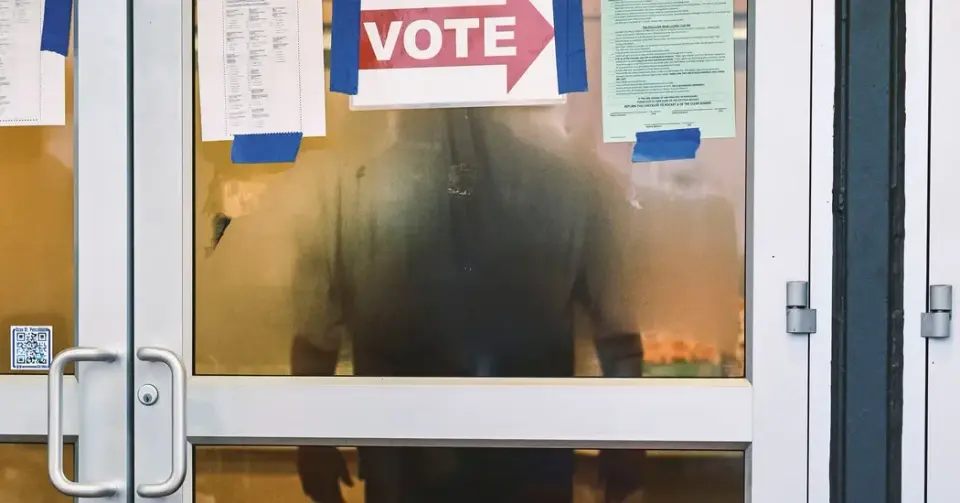
As the November 3 midterms approach, local election officials across the US are preparing for potential federal interference, including the deployment of ICE agents or military personnel at polling places. While the Trump administration claims these measures ensure 'honest' elections, critics and legal experts argue such actions are illegal and constitute voter intimidation. Democratic-led states are mobilizing legal resources, while blue jurisdictions in red states face heightened risks with limited state support. Courts have largely rejected federal attempts to seize voter data or block ballot counting, but anxiety persists over post-election certification disputes and potential violence.
Key points
- Denver election official Paul López states that federal agents at polls are illegal and vows to arrest violators, while training staff for intimidation scenarios.
- Protect Democracy, a civil society group, is preparing to sue immediately if federal interference occurs, citing threats of ballot seizures and voter roll access.
- Retired military leaders are advising local officials on how to counter potential Invocations of the Insurrection Act, emphasizing that such deployments are legally barred.
- Blue counties in red states, such as Broward County in Florida and Harris County in Texas, are drafting independent contingency plans due to lack of state-level support.
- The Trump administration has offered a $1 million reward for voting fraud tips and sought unredacted voter rolls, despite courts rejecting these demands as privacy violations.
Background
Recent weeks have seen escalating legal battles between the federal government and states like California and Alaska over voter data and ballot certification. Courts have consistently ruled against the administration's attempts to block mail-in voting or seize ballots, but the administration has appealed these rulings. This current preparation phase builds on prior tensions where federal agencies attempted to access state voter rolls, a move courts deemed an unlawful intrusion into state powers.
How outlets are covering it
The New York Times highlights voter anxiety and the administration's baseless attacks on electoral integrity, noting a $1 million reward for fraud tips. ABC News emphasizes the potential deployment of ICE agents and the legal stance of local officials like Paul López, who view such actions as authoritarian. NPR focuses on the role of retired military officials in preparing for worst-case scenarios, noting that while no deployment is currently planned, the administration's history of domestic military use raises concerns. Democracy Docket underscores the vulnerability of blue jurisdictions in red states, where local officials must act without state support, contrasting with the robust legal mobilization in Democratic-led states. While the administration frames its actions as protecting 'honest' elections, critics and courts consistently characterize them as illegal interference and voter intimidation.
Why it matters
The potential for federal interference in the 2026 midterms threatens the integrity of the US electoral process and could influence the balance of power in Congress. If federal agents are deployed or results are challenged, it could undermine public trust in the democratic system and lead to prolonged legal disputes over certification. The divergence in preparedness between states and local jurisdictions highlights the uneven impact of federal actions on voter access and rights.
What to watch
Election Day is scheduled for November 3, 2026. Local officials are expected to monitor polling places closely for any federal presence, while legal teams stand ready to challenge interference in court. Post-election, attention will shift to the certification process, where the administration may attempt to pressure officials or Congress to reject results, a scenario civil society groups are actively preparing to counter.
- Some Americans Are Fearful of Federal Interference on Election Day The New York Times
- US election officials brace for violence, intimidation at polling booths ABC News & Headlines – Australian Broadcasting Corporation
- Ex-national security officials work with locals on worst-case scenarios for midterms NPR
- Blue dots in red states brace for election interference with little help Democracy Docket
- Opinion: How to prevent election interference The Salt Lake Tribune
Want the full story? Read the original reporting
Read on The New York Times