
Machado challenges US-Venezuela oil deal, calling interim government illegitimate
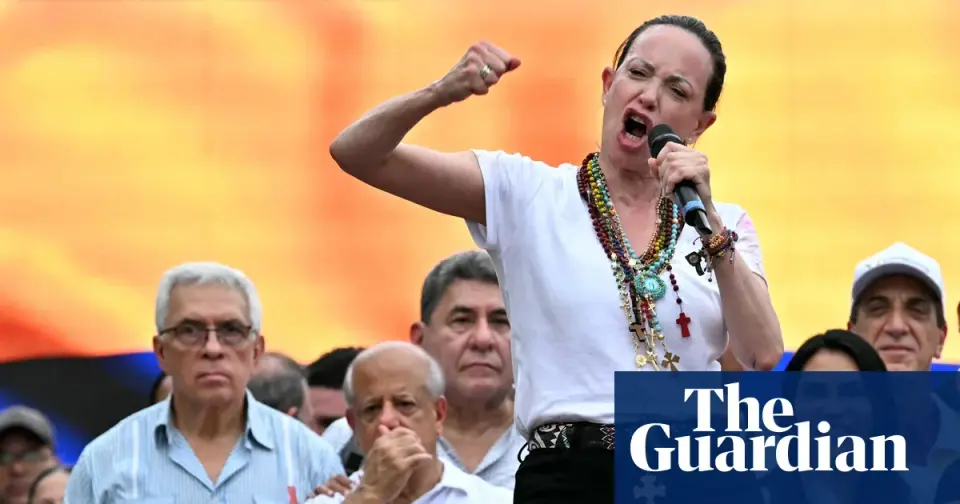
Nobel laureate María Corina Machado has publicly criticized the US-Venezuela oil agreement, arguing that the interim government lacks the democratic mandate to negotiate national resources. While acknowledging the US as a key partner, she asserts that Venezuela's subsoil wealth belongs to its people, not the current administration. The deal, involving 65 billion barrels of crude, has sparked debate over sovereignty and the timeline for future elections.
Key points
- María Corina Machado stated that the current occupants of the Miraflores palace are 'enemies of the US' and lack the right to negotiate Venezuela's natural resources.
- The US-Venezuela oil deal involves 65 billion barrels of crude from 17 fields, part of Venezuela's 303 billion barrel proven reserves.
- Interim president Delcy Rodríguez, who took power in January after Nicolás Maduro's abduction, signed the deal with US President Donald Trump.
- Trump and Rodríguez declined to set a specific date for new presidential elections, with Trump stating Venezuela is 'not ready' and Rodríguez saying she does not set dates.
- Machado's movement is widely believed to have won the 2024 election by a landslide, but Maduro refused to accept the result until his rendition in January 2026.
Background
Venezuela's oil sector has faced decades of decline due to mismanagement and sanctions, leading to mass emigration. A recent US-backed venture aims to restore production through a 100-year concession with the private firm Nabep, which controls 17 oil fields. This follows the 2024 election where Machado's movement was believed to have won, but Maduro clung to power until his abduction by US forces in January 2026.
How outlets are covering it
The Guardian highlights Machado's diplomatic stance, balancing criticism of the 'illegitimate' regime with support for US partnership. AP News focuses on the impact of the US stake on Venezuelan national pride, noting widespread condemnation of the deal as a 'predatory and colonial-style land grab.' Both sources agree on the lack of a clear election timeline, with Trump and Rodríguez offering vague assurances.
Why it matters
The dispute over the oil deal underscores tensions between US foreign policy and Venezuelan democratic aspirations. It raises questions about sovereignty, the legitimacy of interim governments, and the potential for the deal to delay democratic transitions. The outcome could influence US-Venezuela relations and the future of Venezuela's oil sector.
What to watch
Machado's supporters fear the deal will reduce US pressure for fresh elections. The timeline for production recovery remains uncertain due to infrastructure decay. Future developments may include further diplomatic tensions or shifts in US policy regarding Venezuela's political transition.
- Nobel laureate Machado: ‘Illegitimate’ Venezuela regime has no right to strike US oil deal The Guardian
- Why Trump’s Venezuela Oil Grab Is No Quick Fix for Gas Prices WSJ
- US oil deal sparks ‘anger’ in Venezuela, says opposition leader Financial Times
- Proud of their oil, Venezuelans view US stake in their reserves as a surrender apnews.com
- Chevron Just Exposed the Gap Between Venezuela Rhetoric and Reality Bloomberg.com
Want the full story? Read the original reporting
Read on The Guardian