
Maine Voters Abandon Susan Collins Over Economic Pain and Perceived Loss of Independence
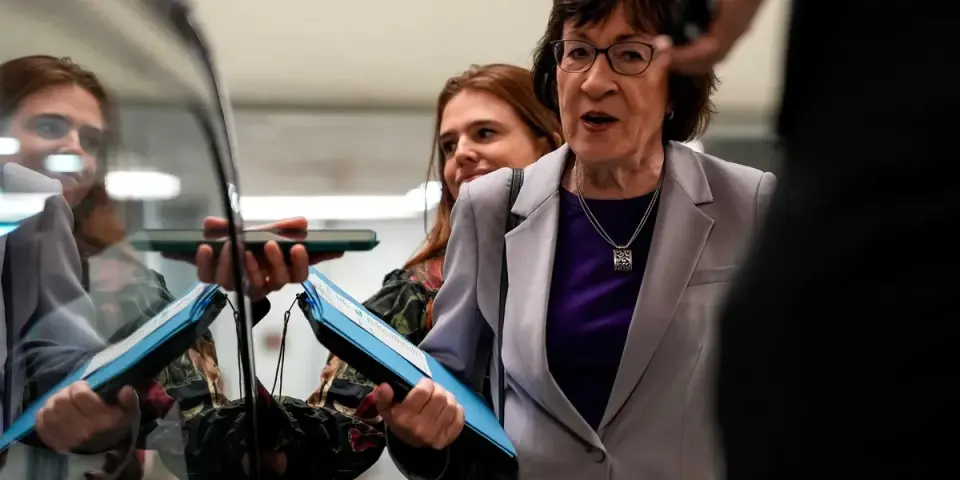
Republican Senator Susan Collins faces a critical reelection challenge in Maine as former supporters cite rising costs, a collapsed bribery probe, and a perceived loss of bipartisan independence. While Trump’s recent tariff exemptions aim to ease local economic pain, many voters remain disillusioned by her alignment with the administration.
Key points
- Former Collins supporters, including 2020 Biden voters, now describe her as a 'sellout' who has abandoned her independent stance.
- Voters cite rising lumber and heating oil costs, linked to trade wars with Canada and Iran, as primary drivers of financial anxiety.
- The Navatek bribery scandal, which collapsed after the Trump administration dismantled anti-corruption units, has eroded trust among constituents.
- Collins’s support for Justice Brett Kavanaugh’s confirmation remains a decisive breaking point for women voters in the state.
- Trump’s late October tariff exemptions on Canadian goods are viewed by critics as a political maneuver to salvage Collins’s campaign.
Background
Collins has maintained a long tenure in the Senate by securing federal funding for local infrastructure and healthcare. However, her historical pro-choice reputation has been overshadowed by her support for Kavanaugh, a key issue for older women voters. Recent investigations into the Navatek defense contractor revealed potential bribery, though no charges were filed after the probe was terminated. The current race against Democrat Troy Jackson is defined by a shift among previously loyal Republican voters who feel Collins no longer represents their interests.
How outlets are covering it
Alternet emphasizes the emotional and personal betrayal felt by former supporters, highlighting quotes from voters who view Collins’s alignment with Trump as a betrayal of her bipartisan identity. NBC News focuses on the demographic shift among women, noting that their defection is likely to decide the race. Vox frames the situation as a failure of Collins’s traditional strategy of 'bringing in the bacon' through federal funding, arguing that national economic frustrations and the Navatek scandal have outweighed her local accomplishments. While Alternet and NBC highlight voter sentiment, Vox contextualizes the race within broader midterm dynamics, noting that Democrats are favored in the House but face a tougher path in the Senate.
Why it matters
The outcome in Maine could determine Senate control in 2026. If Collins loses, it would mark a significant shift in Republican power and signal that even long-standing incumbents cannot withstand the combined weight of economic hardship and perceived partisan alignment. The race also highlights the growing influence of anti-Trump sentiment among moderate Republicans and the effectiveness of targeted tariff policies in influencing voter behavior.
What to watch
The midterm elections are scheduled for November 2026. Trump’s tariff exemptions on Canadian goods take effect on October 30, four days before the vote. Campaigns for both Collins and Jackson are expected to intensify in the final weeks, with Democrats focusing on the Navatek scandal and abortion access, while Republicans emphasize economic stability and constituent services.
- 'She was a sellout': Ex-Susan Collins supporter reveals breaking point Alternet
- Susan Collins won women in 2020. How they break in 2026 could decide the Maine Senate race. NBC News
- Susan Collins Really Is a Political Unicorn Bloomberg.com
- Maine cannot afford to lose Sen. Susan Collins in Washington | Opinion Portland Press Herald - Maine Sunday Telegram
- 2026 midterms: Has Susan Collins’s political luck finally run out? Vox
Want the full story? Read the original reporting
Read on Alternet