
Mamdani avoids math questions on NYC grocery subsidies as courts reject competitor lawsuits
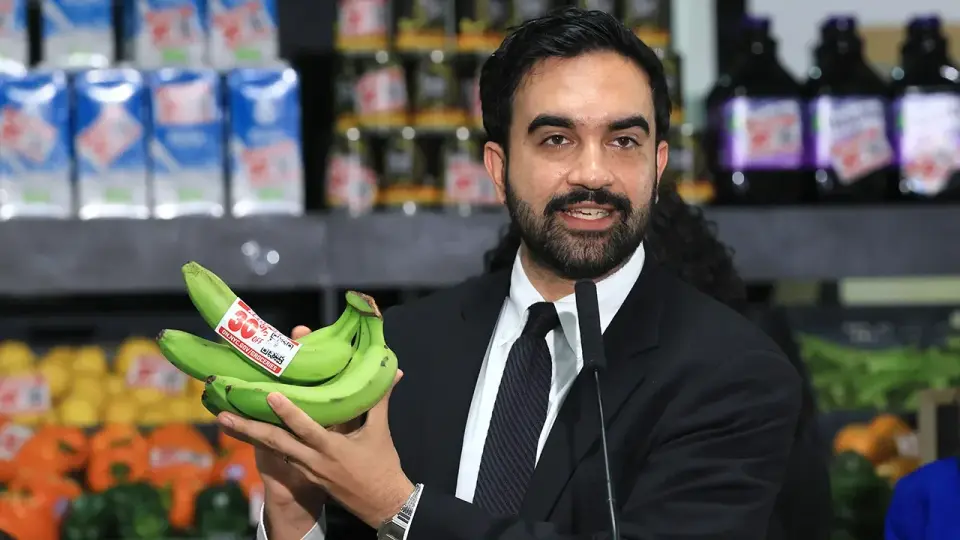
Mayor Zohran Mamdani declined to detail the financial mechanics of his plan to open five city-subsidized grocery stores, arguing that public necessity justifies taxpayer support. Meanwhile, a federal judge rejected a preliminary injunction sought by competitors who alleged the stores would engage in predatory pricing.
Key points
- Mamdani stated at the DealBook Summit that the stores would be subsidized, comparing them to public services like subways and schools, but did not address how the subsidy would impact private competitors.
- The plan involves five stores, one in each borough, with the first locations in East Harlem and Hunts Point, Bronx, expected to open by late 2027.
- The city has committed $70 million to build the stores, but the request for proposals does not guarantee returns to taxpayers if the stores become profitable, while covering operator losses from the 30% discount mandate.
- U.S. District Judge Jennifer Rochon denied a preliminary injunction from the National Supermarket Association, ruling that plaintiffs failed to prove a 'dangerous probability' of recoupment through future monopoly pricing.
- Food economist David Ortega noted that while the model might work for a small network, it likely cannot scale without treating groceries as a permanent public good funded annually.
Background
This development follows earlier legal challenges to the municipal grocery initiative. In August, the Multicultural Business Coalition filed a class-action lawsuit in Manhattan Supreme Court raising similar concerns about the plan's effects on small bodegas and grocers. The current federal ruling is the second major legal hurdle for the initiative, which aims to address rising food costs and long lines at food pantries.
How outlets are covering it
Fox Business and The New York Post emphasized Mamdani's failure to answer specific questions about the economics of the 30% discount, noting that supermarkets operate on thin margins of 1% to 4%. The Post highlighted that the mayor deflected questions about long-term impacts on private competitors. In contrast, Global Competition Report covered unrelated antitrust news, while Courthouse News focused on the legal outcome, noting that Judge Rochon found the city's lack of profit incentive undermined the predatory pricing claim. The Post also cited expert skepticism regarding the scalability of the subsidy model.
Why it matters
The ruling allows the city to proceed with selecting operators for the stores, potentially reshaping the local grocery market. If the subsidized model proves unsustainable or harms private competitors, it could set a precedent for municipal intervention in other retail sectors. Conversely, if successful, it may expand the scope of public services funded by taxpayers.
What to watch
The city plans to announce the selected operator for the grocery stores next year. The National Supermarket Association has stated it will review its options following the denied injunction, while the Multicultural Business Coalition continues its separate class-action lawsuit. The first stores are expected to open no later than the end of 2027.
- Mamdani dodges pointed question on economics of taxpayer-funded grocery stores Fox Business
- Mamdani couldn’t explain how NYC-run grocery stores will afford 30% discounts New York Post
- DOJ closes NextEra/Dominion probe Global Competition Review
- NYC grocery stores lose bid to halt city-subsidized supermarkets Courthouse News
- Mamdani’s city-owned grocery stores win in federal court Crain's New York Business
Want the full story? Read the original reporting
Read on Fox Business