
Mamdani's 'Influencer Army' Blurs Campaign and Government Lines, Sparking Legal and Ethical Debate
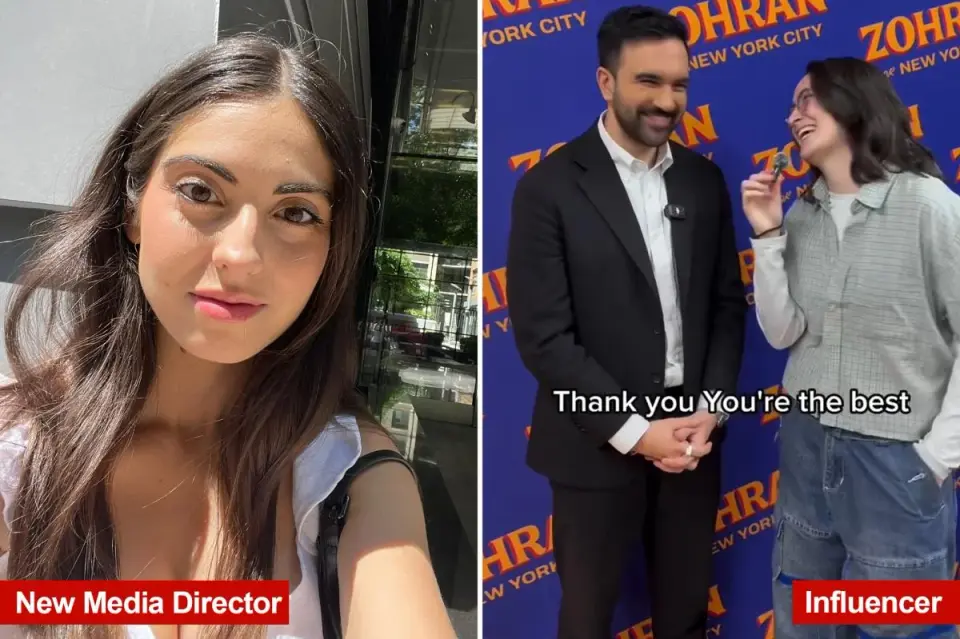
New York City Mayor Zohran Mamdani has established a network of nearly 200 social media influencers to promote his administration's agenda, raising concerns about transparency and the blurring of lines between political campaigns and government operations. While some residents and officials praise the strategy for its responsiveness, others question the legality and ethics of using taxpayer-funded influencers to shape public opinion.
Key points
- Mamdani's office has created a group of nearly 200 influencers, known as 'Creators4Zohran,' to promote the administration's talking points and initiatives.
- The group is managed by Emilia Rowland, the Director of New Media and Cultural Communications at the NYC Office of the Mayor, and members receive daily updates and talking points via an encrypted Signal group chat.
- Some influencers are reportedly paid by taxpayer funds for specific messaging campaigns, though the exact amounts and terms are unclear.
- The use of Signal, an encrypted messaging app, has raised concerns about potential violations of city record-keeping laws, as it can be set to delete messages.
- Mamdani has defended the strategy, arguing that engaging influencers is similar to engaging with traditional media, and has pledged to comply with all legal requirements.
- The strategy has been praised by some residents and officials for its responsiveness, with some citing quick fixes to infrastructure issues after tagging Mamdani on social media.
Background
Mamdani's use of social media and influencers is part of a broader trend in politics, where politicians are increasingly using social media to engage with the public and shape public opinion. The strategy has been praised by some for its responsiveness, but it has also raised concerns about transparency and the ethics of using taxpayer-funded influencers to promote a political agenda.
How outlets are covering it
The New York Post and City & State New York highlight the concerns about the legality and ethics of Mamdani's influencer strategy, while Planetizen and Gothamist praise the strategy for its responsiveness. The New York Post and City & State New York emphasize the potential violations of city record-keeping laws and the blurring of lines between political campaigns and government operations, while Planetizen and Gothamist highlight the quick fixes to infrastructure issues and the mayor's responsiveness to social media requests.
Why it matters
Mamdani's influencer strategy has significant implications for the future of politics and government operations. It raises questions about the ethics and legality of using social media influencers to shape public opinion, and it highlights the need for greater transparency and accountability in government communications. The strategy also reflects a broader trend in politics, where politicians are increasingly using social media to engage with the public and shape public opinion.
What to watch
It is unclear how Mamdani's administration will address the concerns about the legality and ethics of its influencer strategy. The administration may need to provide more transparency about the terms and conditions of the influencer contracts, and it may need to ensure that the use of Signal and other encrypted messaging apps complies with city record-keeping laws. The strategy may also face legal challenges from opponents who argue that it is unethical and potentially illegal.
- Mamdani’s 200-strong ‘influencer’ army revealed — with some PR peddlers pocketing taxpayer cash New York Post
- NYC residents are using TikTok to alert Mandami of city infrastructure problems — and it’s working Planetizen
- TikTokers worldwide want Zohran Mamdani to fix their problems City & State New York
Want the full story? Read the original reporting
Read on New York Post