
Critics question the economic logic behind Mamdani's NYC grocery plan
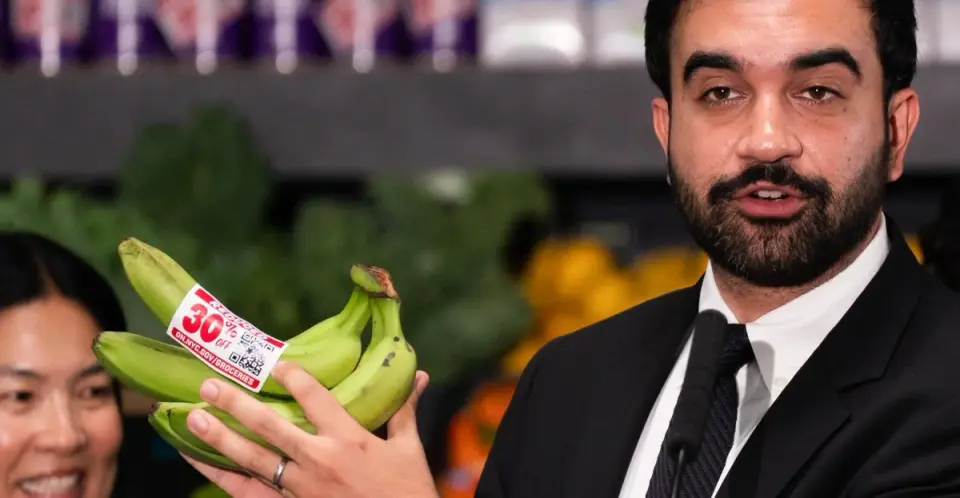
New York City Mayor Zohran Mamdani has proposed a program to open five city-owned grocery stores, one in each borough, offering a 30% discount on staple foods. The initiative, branded 'NYC Groceries,' aims to address rising food costs by subsidizing prices for items like meat, seafood, milk, and bread. While the city estimates $70 million in capital costs, critics argue the plan is economically inefficient and could harm private competitors.
Key points
- Mamdani's plan involves five city-owned stores, with the first two opening in the Bronx and East Harlem between 2027 and 2029.
- The city will own the stores and dictate pricing, while private companies handle daily operations and receive 'affordability payments' to cover losses.
- Critics argue that grocery margins are too thin (around 2.1%) to sustain 30% discounts without massive taxpayer subsidies.
- Opponents suggest that the same funds could be better spent on direct food assistance or expanding existing programs like 'Get The Good Stuff.'
- Some experts argue that the real solution to NYC's food deserts is deregulating zoning laws to allow large private chains to expand.
Background
Mamdani first unveiled this proposal during his 2025 mayoral campaign, positioning it as a key affordability measure. The plan has since drawn attention from other cities, including San Francisco and Boston, which are exploring similar public grocery initiatives. The proposal follows a period of significant inflation in food prices, with some reports noting a 33% increase over the past seven years.
How outlets are covering it
Vox and Fortune argue that the plan is economically incoherent, noting that public stores are unlikely to be more efficient than private retailers like Costco. They suggest that the subsidies could instead be used for direct aid to low-income residents. Fox News and USA Today frame the initiative as a 'socialist' experiment that will burden taxpayers and harm local small businesses and bodegas. They compare the potential losses to the MTA's deficits and warn of empty shelves and black markets. Conversely, Mamdani's administration views the stores as a necessary public good to ensure food affordability, with the city's policy brief acknowledging the need for permitting reforms to help private competitors.
Why it matters
The debate over Mamdani's grocery plan highlights broader tensions in US policy regarding the role of government in the economy. It raises questions about the effectiveness of price controls versus market-based solutions and the trade-offs between public subsidies and direct assistance. The outcome of this experiment could influence similar proposals in other cities and shape the national discourse on affordability and public ownership.
What to watch
The city's Economic Development Corp. has issued a request for proposals to select private operators for the stores. The first two locations are slated to open in 2027 and 2029. The success or failure of these initial stores will likely determine whether the program expands or is scaled back, and will provide a real-world test of the economic arguments made by critics and supporters.
- The hidden cost of Mamdani’s plan for cheap groceries vox.com
- Mamdani’s city grocery plan could leave taxpayers paying for every banana Fox News
- Mamdani’s city-owned supermarkets will fight the one force no city has ever beaten: the market Yahoo Finance
- Mamdani's city-owned grocery stores are a socialist trap | Opinion USA Today
- Can Mamdani’s plan for city-run stores deliver cheap food for New Yorkers? The Guardian
Want the full story? Read the original reporting
Read on vox.com