Tag

Policy

All articles tagged with #policy

New housing reform becomes law, betting on supply despite political drama
politics10 hours ago

New housing reform becomes law, betting on supply despite political drama

Congress enacted the bipartisan 21st Century Road to Housing Act into law, aiming to ease affordability by expanding housing supply through incentives for manufactured housing, office-to-apartment conversions, and a grants/loans program to repair older homes, plus prompts for state and local zoning reform. Implementation now hinges on HUD staffing and local action, so benefits may take years. The bill also imposes a first-of-its-kind cap on institutional buyers of single-family homes (no more than 350 per owner) but doesn’t force sales from large holders, and it does not address current high mortgage rates or the “lock-in” effect.

TPS work permits extended at the last minute to shield immigrant workers
immigration17 hours ago

TPS work permits extended at the last minute to shield immigrant workers

U.S. Citizenship and Immigration Services extended work authorization for hundreds of thousands of immigrants under Temporary Protected Status from Haiti and six other countries just hours before their permits were to expire—Haiti’s extension runs through July 24, while the other six end the following Friday—delaying potential mass unemployment as employers seek relief amid a Supreme Court ruling that could allow broader cancellation of humanitarian protections for up to 1.3 million immigrants. Unions and employers say confusion and terminations are already occurring among TPS workers.

White House Plan Shifts Federal Grants From Merit to Policy Alignment, Sparking Scientist Backlash
policy1 day ago

White House Plan Shifts Federal Grants From Merit to Policy Alignment, Sparking Scientist Backlash

The White House Office of Management and Budget proposed a sweeping rule to overhaul federal grantmaking by letting political appointees override merit reviews and require funding decisions to demonstrably advance the President’s priorities, with a 45-day public comment period ending July 13; critics warn the change could undermine scientific independence, limit international collaboration, and create instability for local infrastructure projects that rely on federal funding.

ICE doorstep warnings ignite free-speech lawsuit over online critics
policy1 day ago

ICE doorstep warnings ignite free-speech lawsuit over online critics

A federal lawsuit argues that DHS/ICE has been using “warning notices,” doxxing accusations, and even in-person visits to chill speech by online critics of immigration policy, contending such actions amount to government retaliation against First Amendment-protected commentary. The Verge reports that ICE’s Office of Professional Responsibility has opened more than 100 investigations into doxing and alleged threats, while DHS defends its actions as necessary to protect agents. Civil-liberties groups, including FIRE and the EFF, say the approach blurs criticism with threats and could deter lawful dissent, noting DHS’s routine requests to tech platforms for user information as part of broader crackdown on critics. The piece also cites incidents like a Syracuse polling-place warning and the broader pattern of conflating criticism with threats, raising concerns about civil liberties amid security concerns.

policy3 days ago

Wetlands shield narrows, fueling a data-center boom

A 2023 Supreme Court ruling narrowing the Clean Water Act’s protection for streams and wetlands has allowed a surge of AI data-center projects to move forward with minimal or no federal water permits and limited public input. POLITICO’s review found at least 26 data-center sites since 2024 benefiting from streamlined nationwide permits, with many projects obtaining approvals without an individual, public-comment review, shifting much of the regulatory burden to states and localities and potentially shortening NEPA analyses as well. The build-out spans states from Ohio to Texas to Nevada, prompting concerns about water quality, flood risks, and community voices in permitting.

Open-Source GLM-5.2 Triggers AI Security Alarm
technology3 days ago

Open-Source GLM-5.2 Triggers AI Security Alarm

As Anthropic tightens rollout of Mythos 5 and Fable 5 under U.S. security concerns, Beijing-based Z.ai releases GLM-5.2 as an open-weight model that anyone can download and run locally, potentially bypassing vendor safeguards. Researchers say GLM-5.2 can identify software vulnerabilities and assist cyber tasks, while reports of jailbreaks and forums trading exploits highlight the heightened risk of open-source AI enabling misuse.

Beijing mulls overseas-access limits on China's top AI models
world3 days ago

Beijing mulls overseas-access limits on China's top AI models

Reuters reports Beijing has held talks with Alibaba, ByteDance, and Z.ai about potentially restricting overseas access to China’s most advanced AI models, including those not yet released. Led by the commerce ministry and the national planning body, the discussions explored whether to impose limits on both closed-source and open-weight models, raise penalties for AI theft under national-security laws, and tighten funding for domestic AI startups. There is no final decision and details on how such restrictions would work remain unclear, but the move would aim to keep homegrown AI within China and could raise costs for international users and affect global AI markets if applied to future models.

Study finds Trump energy push could raise electric bills
politics3 days ago

Study finds Trump energy push could raise electric bills

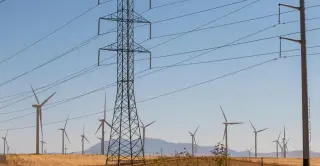
A new Energy Innovation analysis argues Trump’s push to roll back renewables and expand fossil fuels would raise, not lower, U.S. electricity bills, predicting households will pay about $460 more by 2035 and up to $490 more by 2040, with total costs exceeding half a trillion dollars by 2040. The report cites ending clean-energy tax credits, slower adoption of EVs, a longer life for coal plants, and rising grid costs driven by data-center demand; it also warns solar deployment will stall after 2030 without renewed incentives.

Stario Launcher shutters as Google policy crackdown endangers third‑party Android apps
technology7 days ago

Stario Launcher shutters as Google policy crackdown endangers third‑party Android apps

Stario Launcher, celebrated for its aesthetics, widgets, and built‑in RSS briefing, is being mothballed after its developer cited Google's looming September 2026 policy changes that would complicate installing non‑Play Store apps, effectively ending updates and signaling a broader threat to third‑party Android launchers and hobbyist projects.

NJ Moves to Bar AI-Driven Grocery Price Discrimination
policy7 days ago

NJ Moves to Bar AI-Driven Grocery Price Discrimination

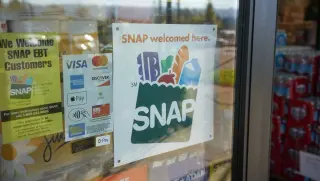
New Jersey’s Senate passed the Fair Price Protection Act to ban surveillance pricing, preventing retailers from using personal data to charge different prices for essential groceries. The law, which takes effect in one year, also imposes a one-year moratorium on new electronic shelf labels and follows Maryland’s earlier effort. The measure arrives amid scrutiny of AI pricing, including an FTC investigation and refunds tied to Instacart’s practices.

Trump push to loosen home-appliance efficiency standards faces backlash
policy8 days ago

Trump push to loosen home-appliance efficiency standards faces backlash

The Energy Department proposes weakening or pausing future efficiency updates for home appliances (air conditioners, refrigerators, washing machines), arguing it preserves consumer choice and lowers costs, but critics warn it would increase energy use and strain the grid, undo decades of efficiency gains, and could face lawsuits from Democratic-led states; the move mirrors earlier Trump-era efforts and follows other rollbacks since he returned to office.

New Jersey Moves to End Personalized Grocery Pricing with New Law
policy8 days ago

New Jersey Moves to End Personalized Grocery Pricing with New Law

New Jersey approved the bipartisan Fair Price Protection Act to ban AI/algorithm-driven and surveillance-based pricing in grocery stores and to pause electronic shelf labels for at least a year, awaiting Governor Sherrill’s signature. The bill includes exemptions for loyalty programs and certain discounts and mirrors similar moves in Maryland and Connecticut, as lawmakers argue it protects consumers amid rising grocery costs while opponents worry about regulatory consequences and job impact.

Acknowledge bias: scientists urged to own politics to boost public trust
science-policy8 days ago

Acknowledge bias: scientists urged to own politics to boost public trust

UK data show trust in science remains relatively high but fragile and uneven across ideological groups; perceived bias—often linked to COVID-19—can erode confidence. The author argues scientists should recognise their own political biases and follow six public‑facing practices to put people at the heart of science and policy, thereby sustaining trust in science.

Public in the Lead: Six Paths to Democratic Science Policy
policy9 days ago

Public in the Lead: Six Paths to Democratic Science Policy

Nature argues that trust in elites is waning and public input should be embedded in research and policymaking through six steps: involve the public in research, make science advisory bodies participatory, embrace diverse knowledge (including Indigenous and community expertise), be humble and transparent about methods and uncertainties, acknowledge scientists’ values, and enable co-design with communities—citing EU Horizon 2020 priority setting, citizen panels influencing Danish and NASA decisions, and community-led mangrove restoration as evidence that public involvement boosts legitimacy and policy relevance.

Court ruling sharpens Trump’s path to unchecked executive power
policy10 days ago

Court ruling sharpens Trump’s path to unchecked executive power

Vox argues the Supreme Court’s Trump v. Slaughter ruling endorses the unitary executive, deeming the president’s removal of an FTC commissioner lawful despite congressional rules, giving Trump broader power over independent agencies. The decision raises alarms about democratic accountability and suggests the Court could become the main arbiter of executive power, with long‑term risks for juristocracy and congressional checks; it also notes related rulings like Trump v. Cook that reveal tensions over agency independence.