
Massachusetts AG sues ICE over warrantless courthouse arrests despite PROTECT Act
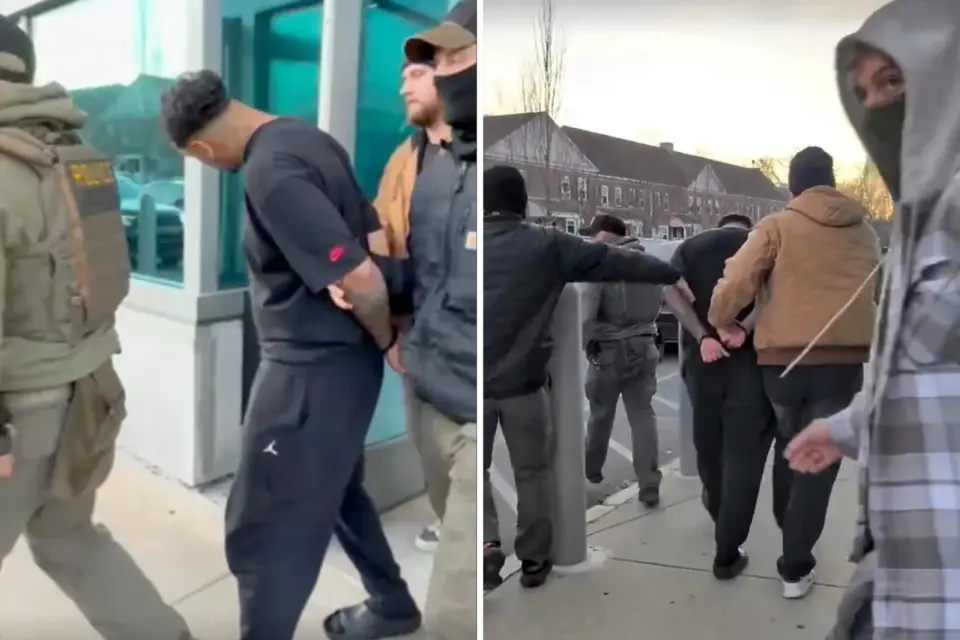
Massachusetts Attorney General Andrea Campbell filed a lawsuit against U.S. Immigration and Customs Enforcement (ICE) on Monday, alleging that the agency’s policy of making warrantless civil arrests in state courthouses violates the state’s PROTECT Act. The law, signed by Governor Maura Healey in August, prohibits such arrests in courthouses, schools, and hospitals. Despite the ban, which took effect on November 3, ICE has conducted over 30 arrests in Massachusetts courthouses since its implementation, with more than 500 total arrests recorded in the first ten months of 2026. The lawsuit claims these actions disrupt judicial proceedings and undermine public safety, while ICE maintains that its enforcement is a matter of federal supremacy and common sense.
Key points
- Massachusetts Attorney General Andrea Campbell filed a federal lawsuit against ICE on Monday, alleging that the agency’s May 2025 directive to make warrantless civil arrests in state courthouses violates the state’s PROTECT Act.
- The PROTECT Act, signed by Governor Maura Healey in August and effective November 3, bans warrantless civil immigration arrests in state courthouses, schools, and hospitals, and allows civil suits against federal officials for violations.
- Despite the ban, ICE has conducted more than 30 arrests in Massachusetts courthouses since November 3, with over 500 total arrests recorded in the first ten months of 2026, compared to 600 in 2025.
- In one incident, ICE arrested 24-year-old Rhyan Oliveira in Framingham District Court after he was released on conditions for a domestic violence charge; no federal criminal charges or judicial warrants were found in his case file.
- ICE officials argue that courthouse arrests are necessary for due process and safety, citing the U.S. Constitution’s supremacy clause, while advocates and the AG argue the actions violate state law and dismantle due process.
Background
The PROTECT Act was passed in response to a significant increase in ICE courthouse arrests in Massachusetts, which more than doubled in the first year of President Trump’s second term. Prior to the act, ICE arrests at courthouses were common, with court staff often allowing agents into sallyports and lockups. The new law aims to limit ICE activity and provide protections for parents detained or deported, while also allowing civil rights claims against government officials. This lawsuit follows earlier legal and ethical backlash against ICE, including a potential lawsuit and ethics investigation after DHS linked an ICE arrest to a Pennsylvania House race.
How outlets are covering it
WBUR highlights the human impact of ICE courthouse arrests, detailing the arrest of Rhyan Oliveira and the emotional toll on his family, while also noting the presence of ICE agents in plainclothes in courthouses. The New Bedford Light focuses on the arrest of Johnson Joseph, a Haitian man in Fall River, and the legal challenges posed by the PROTECT Act, including concerns about its constitutionality under the supremacy clause. NBC Boston and WCVB emphasize the legal and political dimensions of the AG’s lawsuit, noting the AG’s claims that ICE’s actions interfere with the state’s judicial system and cause fear and chaos. ICE officials, in contrast, argue that courthouse arrests are necessary for due process and safety, and that states cannot regulate federal law enforcement activities. Advocates and public defenders, such as Trevor Clement and Jen Klein, argue that ICE’s presence in courthouses dismantles due process and that the PROTECT Act, while limited, provides some visibility and accountability.
Why it matters
The lawsuit filed by Massachusetts Attorney General Andrea Campbell against ICE over warrantless courthouse arrests highlights the ongoing tension between state and federal authority in immigration enforcement. The PROTECT Act, which bans such arrests in state courthouses, schools, and hospitals, represents a significant effort by Massachusetts to protect its residents and ensure due process. However, the continued ICE arrests despite the ban, and the legal challenges posed by the supremacy clause, underscore the complex and contentious nature of immigration enforcement in the United States. The case also raises questions about the effectiveness of state laws in limiting federal agency actions and the potential for civil rights violations.
What to watch
The next steps include the AG’s office pursuing the federal lawsuit against ICE, which may lead to further legal battles over the constitutionality of the PROTECT Act and the supremacy clause. ICE may continue its courthouse arrests, potentially leading to more incidents and complaints. Advocates and public defenders may continue to document and report ICE activities, while the AG’s office may encourage witnesses to come forward with information. The case may also influence other states’ efforts to limit ICE activity and could set a precedent for future legal challenges.
- ICE continues courthouse arrests, despite state's new PROTECT Act WBUR
- ICE arrests Haitian man in Fall River courthouse The New Bedford Light
- Mass AG to discuss ICE enforcement at state courthouses: Watch at noon NBC Boston
- Breaking News: Mass. AG sues ICE over courthouse arrests WCVB
- MEDIA ADVISORY: TOMORROW, AG CAMPBELL TO MAKE ANNOUNCEMENT RELATED TO FEDERAL IMMIGRATION ENFORCEMENT AT MASSACHUSETTS COURTHOUSES Forth.News
Want the full story? Read the original reporting
Read on WBUR