
McConnell’s Return Breaks Farm Bill Deadlock, But SNAP Disputes Loom
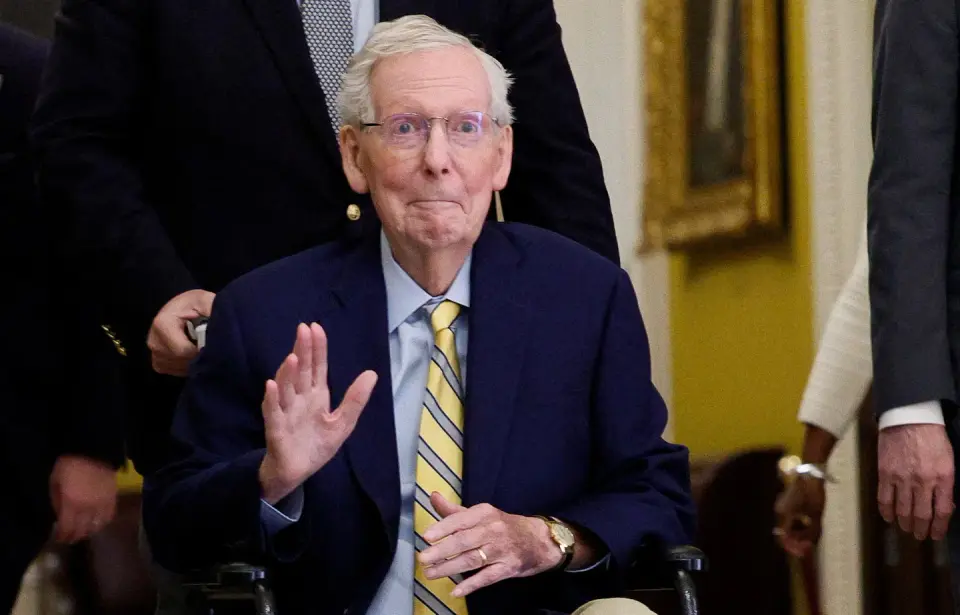
Senate Republicans advanced the farm bill out of committee on Wednesday, September 16, 2026, after Senator Mitch McConnell returned to the chamber to break a party-line deadlock. The Agriculture, Nutrition and Forestry Committee voted 12-11 to send the measure to the full Senate. However, the bill faces significant hurdles in the full chamber, where it requires 60 votes to advance. Democrats oppose the current text, particularly provisions that would shift more Supplemental Nutrition Assistance Program (SNAP) costs to states. While the current farm bill expires at the end of September, most program funding remains in place until the end of the year.
Key points
- The Senate Agriculture Committee voted 12-11 along party lines to advance the farm bill to the full Senate.
- Senator Mitch McConnell, 84, returned to Capitol Hill this week after a three-month absence due to a fall and hospitalization in June.
- McConnell’s presence was critical to breaking a deadlock, as the committee was evenly split between Democrats and Republicans during his absence.
- The bill requires 60 votes to pass in the full Senate, necessitating bipartisan support that is currently lacking.
- Democrats are opposing the bill primarily due to provisions that would require states to take on more costs for the Supplemental Nutrition Assistance Program (SNAP).
- The current farm bill expires at the end of September, but most funding for programs within it will not run out until the end of the year.
Background
This development follows a three-month absence of Senator Mitch McConnell, who was hospitalized in June after a fall and has been undergoing rehabilitation. His return has been a focal point for Senate Republicans, who rely on his vote to maintain a slim majority in key committees. Previous coverage noted concerns about his physical condition, including reports that he required assistance during votes, but his office emphasized he would participate in critical legislative actions. The farm bill is typically passed every five years, but the last one was enacted in 2018, making the current legislation three years overdue. This delay has created uncertainty for agricultural producers and policymakers.
How outlets are covering it
The Washington Post emphasizes the procedural victory for Republicans and the ongoing legislative hurdles, particularly the 60-vote threshold and Democratic opposition to SNAP cost-sharing. Dakota News Now focuses on the impact on agricultural stakeholders, noting that while the bill is 'slim' due to previous legislative actions like the 'Big Beautiful Bill,' it still carries weight for South Dakota farmers and ranchers. This outlet highlights specific policy desires, such as Mandatory Country of Origin Labeling (mCOOL) and E-15 fuel mandates, which were not included in the current bill. Both sources agree that McConnell’s return was pivotal, but they differ in focus: The Post highlights the political mechanics and SNAP dispute, while Dakota News Now centers on the practical implications for rural communities and the urgency of passing the bill to provide regulatory guidance.
Why it matters
The farm bill sets national policy for agriculture and nutrition, affecting millions of farmers, ranchers, and SNAP recipients. Its delay has created uncertainty for agricultural planning and investment. The SNAP provisions are particularly contentious, as they could shift significant costs to state governments, potentially impacting food assistance programs. The bill’s passage in the full Senate will require bipartisan compromise, making the outcome uncertain. Additionally, the bill’s expiration at the end of September, with funding lasting until year-end, creates a narrow window for legislative action. The return of McConnell, a key figure in Senate Republican leadership, underscores the importance of his role in breaking legislative deadlocks, even as questions about his long-term capacity persist.
What to watch
The farm bill will now move to the full Senate, where it requires 60 votes to advance. Democrats are likely to continue opposing the SNAP provisions, potentially leading to negotiations or amendments. The bill’s expiration at the end of September adds urgency, though most funding will remain in place until the end of the year. Senate Republicans will need to secure bipartisan support to pass the measure, which may involve compromises on SNAP cost-sharing or other provisions. The outcome will depend on the ability of both parties to reach a consensus, with McConnell’s continued participation likely playing a key role in any negotiations.
- Senate Republicans manage to advance farm bill with McConnell’s return The Washington Post
- Farm Groups React After Senate Committee Advances 2026 Farm Bill Successful Farming
- ‘Slim’ farm bill would still carry weight for SD farmers and ranchers Dakota News Now
- Farm Bill Clears Senate Ag Committee with McConnell’s Vote AgWeb
- Senate Ag approves farm bill with E15 lacking Democratic support Agri-Pulse Communications, Inc.
Want the full story? Read the original reporting
Read on The Washington Post