
Michigan Jewish Leaders Split Over El-Sayed’s Senate Bid Amid Israel Dispute
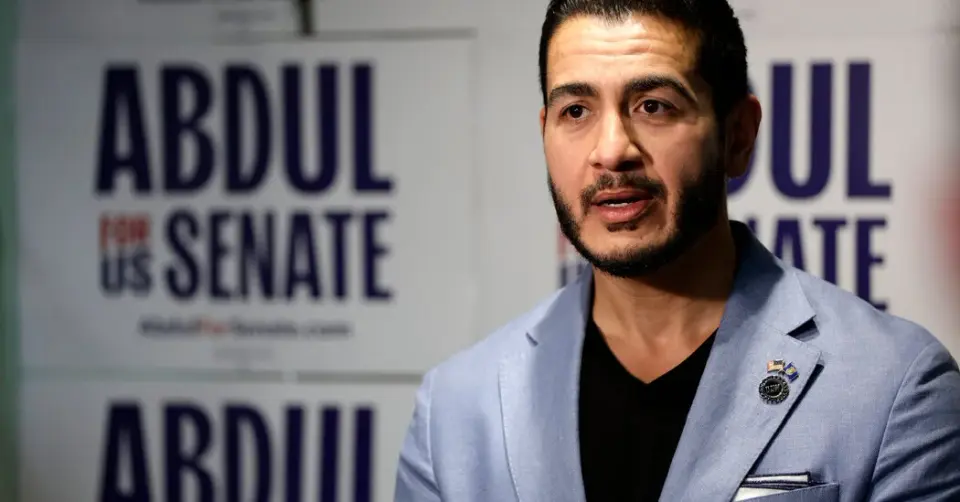
A group of over 500 Michigan Jewish leaders and voters signed an open letter urging support for Democratic Senate nominee Abdul El-Sayed, despite disagreements over his stance on Israel. The letter, sponsored by Bend the Arc, argues that El-Sayed is the better choice compared to Republican opponent Mike Rogers, who they say embraces a far-right agenda. This move follows a separate petition by Michigan rabbis demanding El-Sayed change his positions on Israel and antisemitism. Former Rep. Sander Levin endorsed El-Sayed despite significant disagreements, emphasizing the need to support the full Democratic ticket to check Trump’s power. The race is seen as pivotal for Senate control, with Jewish voters making up a small but influential portion of the electorate.
Key points
- Over 500 Michigan Jewish leaders and voters signed a letter supporting Abdul El-Sayed for U.S. Senate, acknowledging disagreements but prioritizing the defeat of Republican Mike Rogers.
- The letter, sponsored by Bend the Arc, states that El-Sayed is 'clearly the better choice for Jews' due to shared values on health care, democracy, and voting rights, while Rogers embraces a far-right agenda.
- Former Rep. Sander Levin, a prominent Michigan Jewish Democrat, endorsed El-Sayed despite 'significant disagreement' on the Israeli-Palestinian conflict, citing the importance of supporting the full Democratic ticket.
- A separate group of Michigan rabbis launched a petition demanding El-Sayed change his positions on Israel, including supporting a two-state solution and condemning antisemitism, which El-Sayed has not fully addressed.
- The Michigan Senate race is seen as pivotal for control of the U.S. Senate, with Jewish voters making up about 1.4% of the electorate, making their votes crucial in a close race.
Background
In late August 2026, Michigan Attorney General Dana Nessel urged Jewish Democrats to follow a 'moral imperative' in the fall elections, criticizing political divides over Israel but not endorsing El-Sayed. El-Sayed had recently apologized for comments after a synagogue attack and tried to mend fences with Jewish Democrats, but faced criticism from Republican Mike Rogers over his ties to streamer Hasan Piker. The dispute highlighted broader Democratic Party tensions over Israel and antisemitism, with Rogers pursuing an open battleground seat and Jewish voters split over El-Sayed's stance.
How outlets are covering it
The New York Times highlights the open letter from over 500 Jewish leaders supporting El-Sayed, emphasizing the strategic choice to vote for the 'better' candidate despite reservations. The Forward draws parallels to Black voters' historical pragmatism, suggesting Michigan Jews may need to vote for an imperfect candidate to prevent a worse outcome. The Washington Post focuses on Sander Levin's endorsement, noting his significant disagreements but commitment to the Democratic ticket. Detroit News provides a balanced view, noting the split in the Jewish community, with some supporting El-Sayed and others demanding changes in his positions, while highlighting the importance of Jewish votes in a close race.
Why it matters
The Michigan Senate race is a key battleground for control of the U.S. Senate, with Jewish voters playing a crucial role due to their influence in a close election. The split within the Jewish community over El-Sayed's stance on Israel and antisemitism reflects broader tensions in the Democratic Party and the impact of foreign policy on domestic elections. The outcome could influence national policy and the balance of power in Congress.
What to watch
El-Sayed will continue to engage with Jewish leaders and voters, aiming to bridge differences and secure support ahead of the November election. The Republican campaign, led by Mike Rogers, will likely continue to court Jewish Democrats, emphasizing El-Sayed's controversial stances. The outcome of the Michigan race will be closely watched as an indicator of broader trends in Jewish voting behavior and the impact of Israel-related issues on U.S. elections.
- Jewish Leaders in Michigan Urge Support for El-Sayed’s Senate Bid The New York Times
- What Black voters can teach Michigan Jews about Abdul El-Sayed The Forward
- Former congressman Sander Levin endorses El-Sayed for U.S. Senate in Michigan The Washington Post
- Jewish voters in Michigan signal support for Abdul El-Sayed for Senate detroitnews.com
- Jewish leaders call on El-Sayed to affirm five commitments The Center Square
Want the full story? Read the original reporting
Read on The New York Times