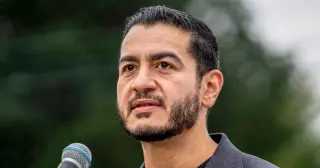
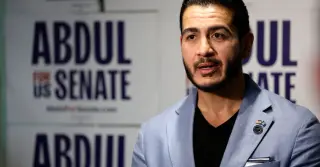
Michigan Senate nominee Abdul El-Sayed argues Democrats must win by large margins to prevent election denial, while facing a split in the Jewish vote over his past remarks on Israel and antisemitism.
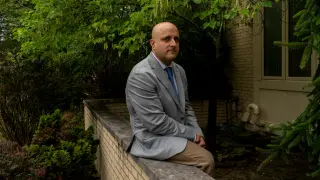
A group of over 500 Michigan Jewish leaders and voters signed an open letter urging support for Democratic Senate nominee Abdul El-Sayed, despite disagreements over his stance on Israel. The letter, sponsored by Bend the Arc, argues that El-Sayed is the better choice compared to Republican opponent Mike Rogers, who they say embraces a far-right agenda. This move follows a separate petition by Michigan rabbis demanding El-Sayed change his positions on Israel and antisemitism. Former Rep. Sander Levin endorsed El-Sayed despite significant disagreements, emphasizing the need to support the full Democratic ticket to check Trump’s power. The race is seen as pivotal for Senate control, with Jewish voters making up a small but influential portion of the electorate.
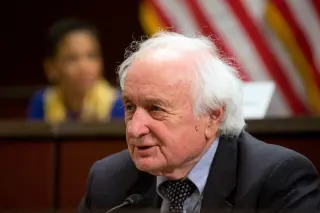
Former Rep. Sander Levin endorsed Michigan Senate candidate Abdul El-Sayed on September 16, prioritizing domestic policy alignment over disagreements regarding Israel. The endorsement highlights deep divisions within Michigan’s Jewish community, where some support El-Sayed to block Republican control of the Senate, while others oppose him due to his stance on Israel and past associations with controversial figures.
Vice President JD Vance is trying to bridge a fractured GOP by courting skeptical Jewish conservatives and their critics in Las Vegas, navigating controversy over antisemitism and Israel policy as he pursues a broad coalition and donor backing ahead of the primary.
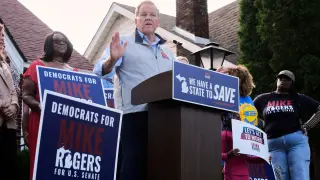
In Michigan’s tight Senate race, Republican Mike Rogers is ramping up outreach to Jewish voters — including targeted ads and an open letter from Jewish Democrats backing him — as Abdul El-Sayed emphasizes a nuanced stance on Israel; experts say the effort is unlikely to substantially shift a long-standing Democratic bloc, and turnout along with voters’ views on Israel in a diverse electorate will largely determine the race.
In Michigan, Democratic primary winner El-Sayed faces an uphill battle winning the support of Jewish voters, with community members like Joe Tigay describing themselves as progressive and Jewish, signaling potential challenges as the race moves forward.
After a bruising Michigan Democratic primary, Republican Mike Rogers is trying to peel away disaffected voters—especially Jewish and Black communities—while Abdul El-Sayed works to unite the party and fend off a well-funded challenge in the Senate race.
Los Angeles' tightly contested mayoral primary could hinge on its large Jewish electorate, with incumbent Karen Bass, councilmember Nithya Raman, and Republican Spencer Pratt all within striking distance in polls. Pratt has focused his campaign on a pro-Israel, safety-focused message to win Jewish support, while Raman has faced controversy over Israel comments and Bass remains the experienced incumbent. With notable Jewish donors backing Pratt, even small shifts in Jewish votes could determine which two candidates advance to the general election.
Analilia Mejia won the NJ-11 special election by about 60-40, delivering a district-wide landslide while facing notable pushback in wealthy Jewish suburbs; the outcome reflects strong Democratic turnout but suggests cross-over considerations that could affect future elections in similar districts.
President Donald Trump criticized Jewish voters in New York for supporting Democratic nominee Zohran Mamdani, calling them 'stupid' in a social media post during the mayoral election.
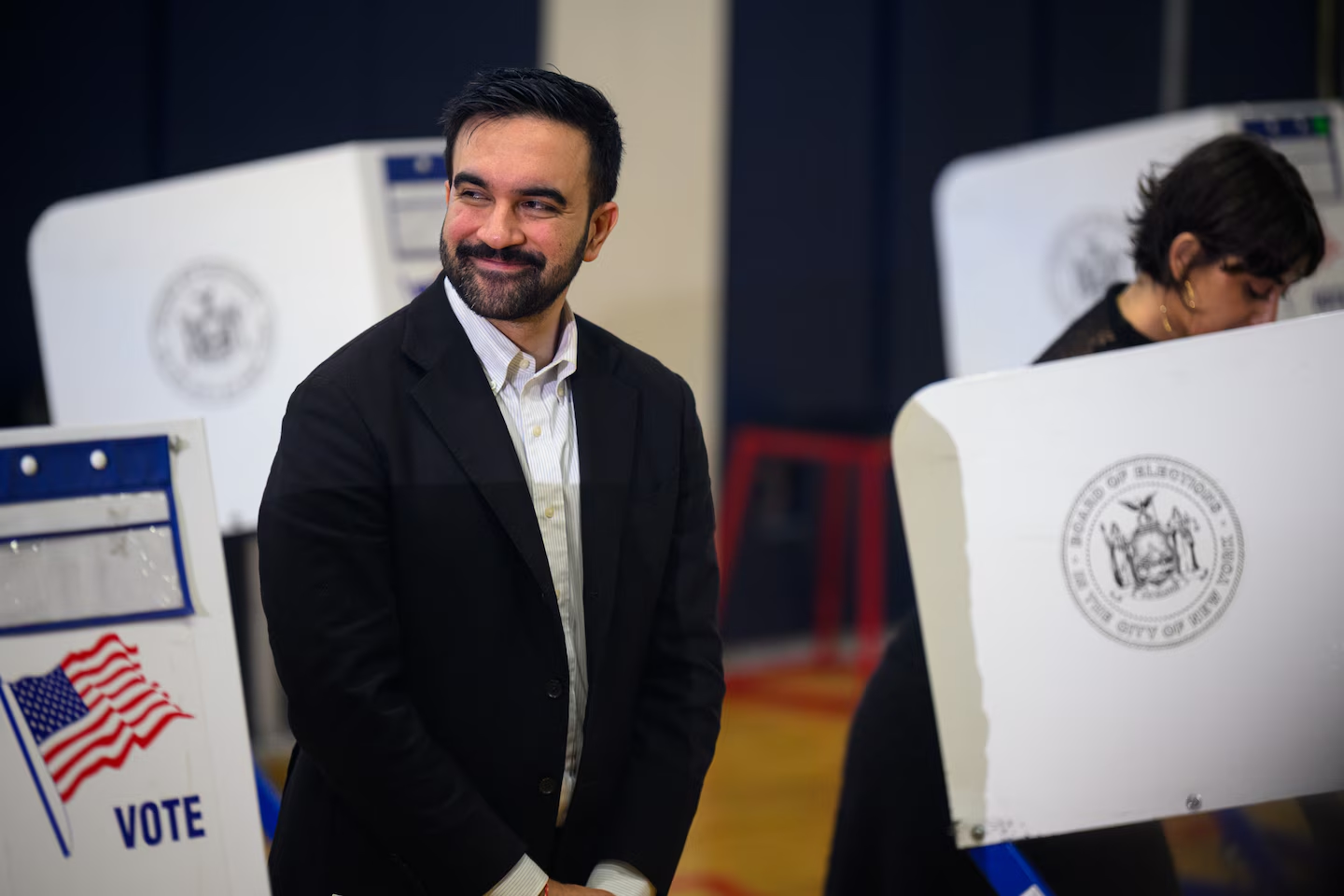
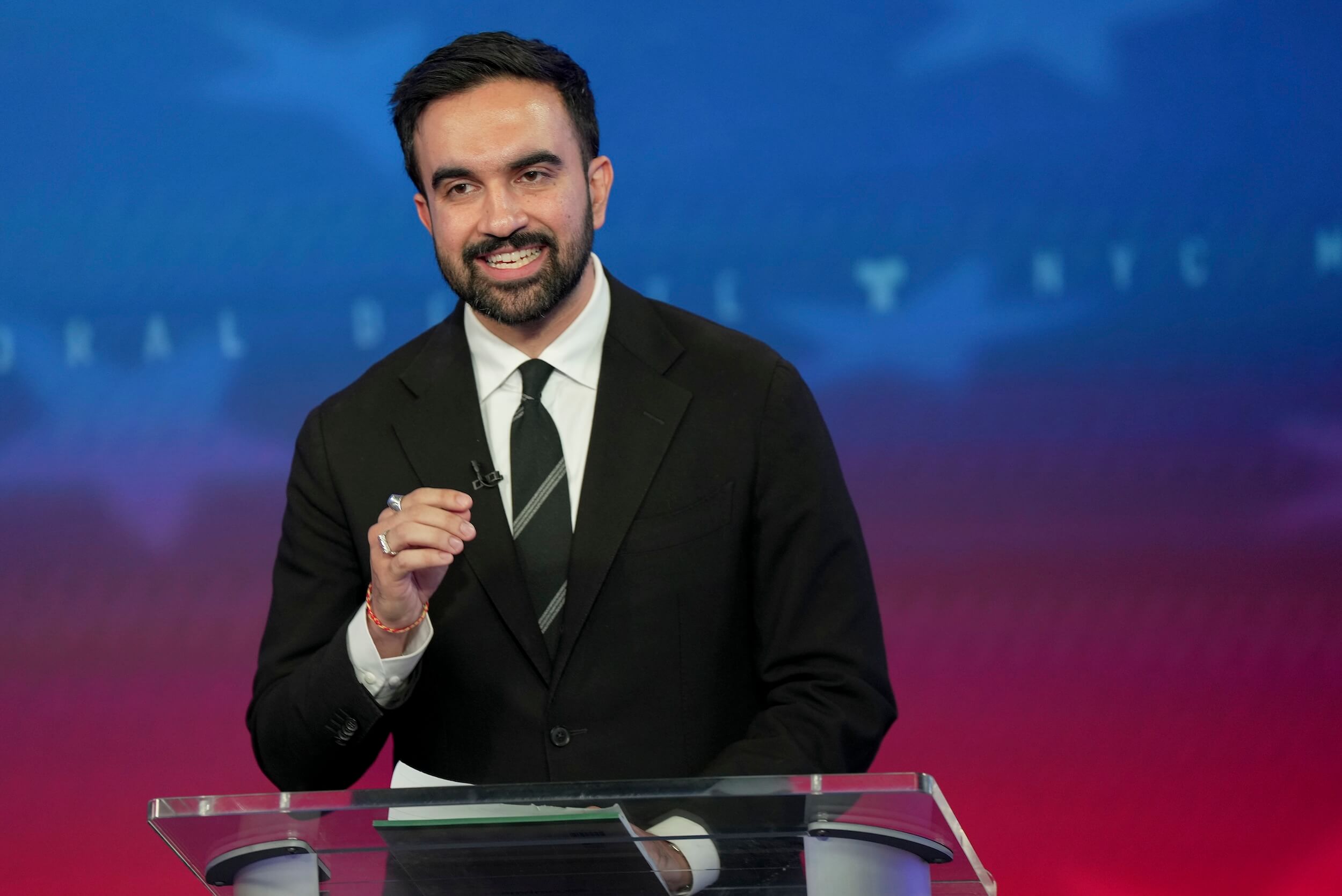
A faction of the Satmar Hasidic community unexpectedly endorsed Democratic candidate Zohran Mamdani for NYC mayor, causing internal community divisions and highlighting the complex political landscape within Brooklyn's Jewish communities, which are influential in local elections. The endorsement contrasts with other sects' support for Cuomo and reflects Mamdani's efforts to gain trust among Haredi voters, despite his controversial stance on Israel. The race remains competitive, with Cuomo still leading among Jewish voters.
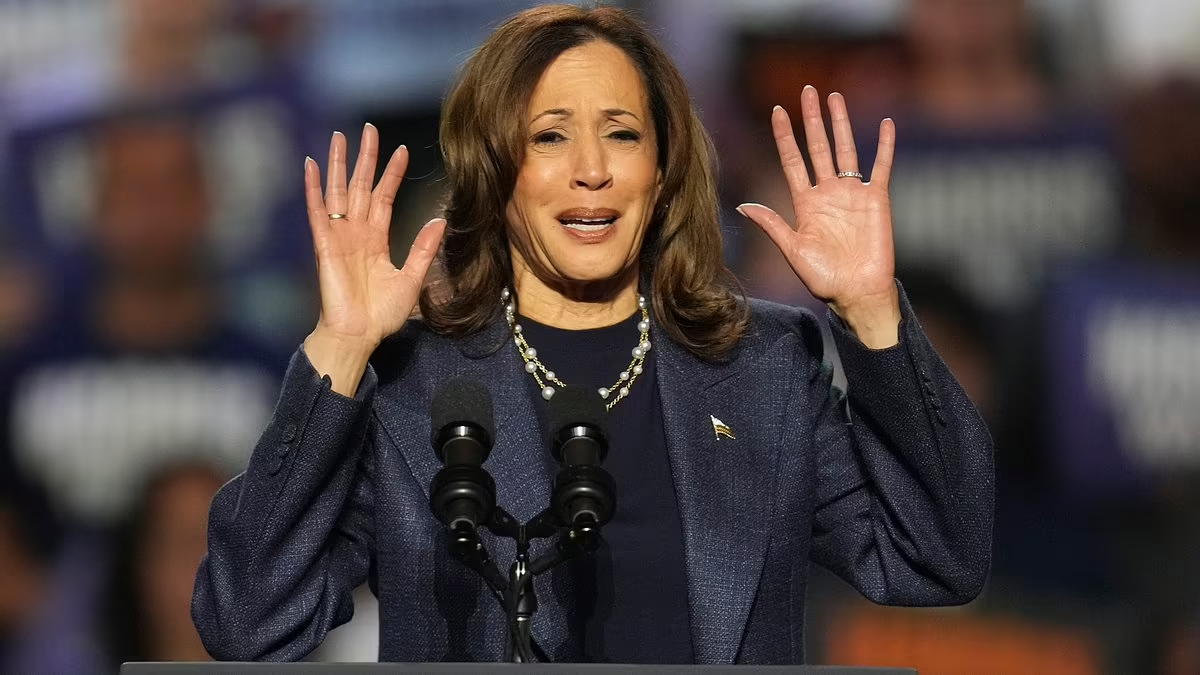
Kamala Harris faces backlash from Jewish voters in Pennsylvania, a key swing state, due to her campaign's association with anti-Israel activists. This controversy threatens her chances in the upcoming election, as Jewish voters, historically Democratic, express concerns over her stance on antisemitism. The situation is particularly sensitive in Pittsburgh, where the Jewish community has faced violence, including the 2018 Tree of Life synagogue shooting. Harris' support among Jewish voters is reportedly at its lowest in decades, raising concerns about losing crucial votes.
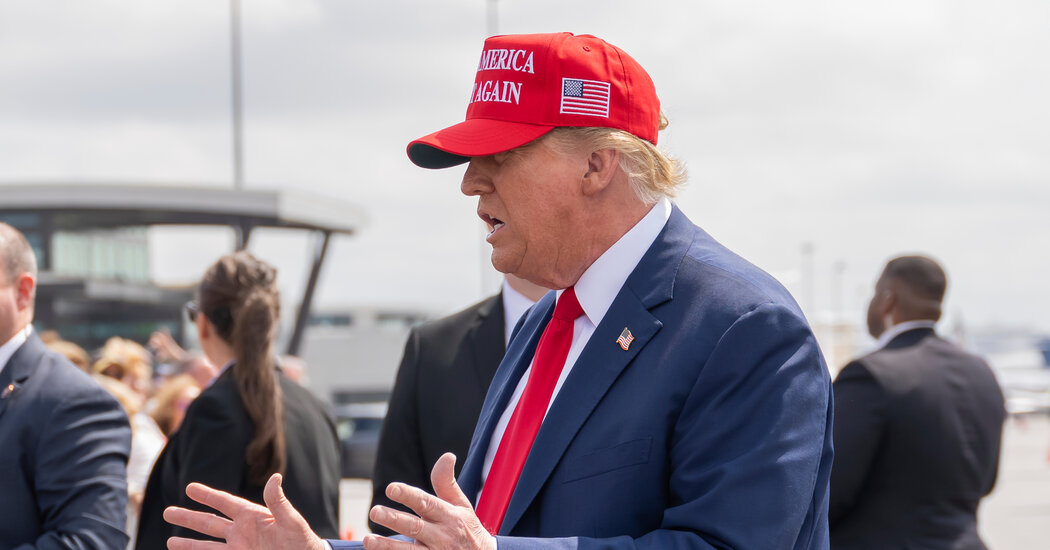
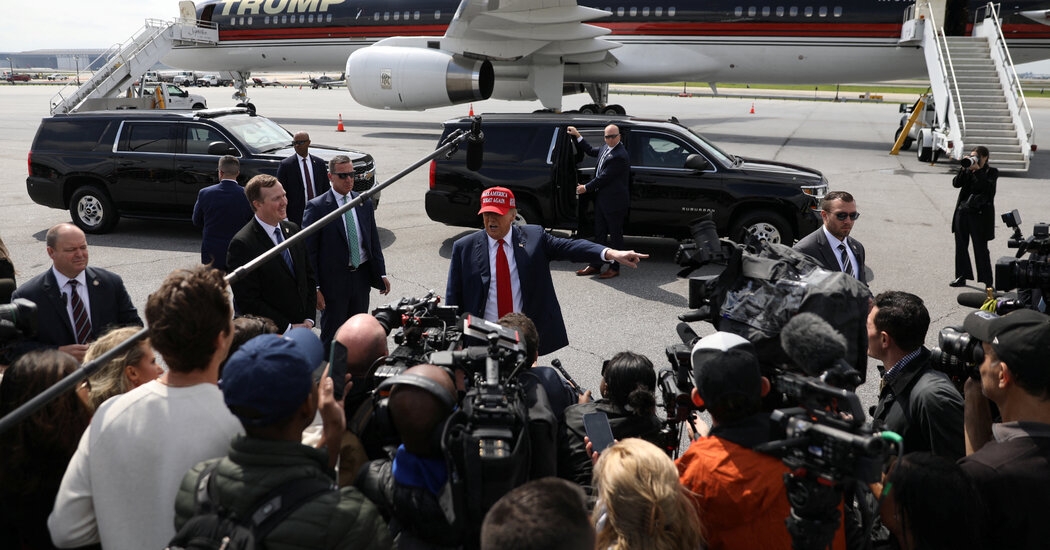
Former President Donald Trump criticized Jewish voters who support Democrats, suggesting they should have their heads examined and accusing them of disloyalty to Israel. He has been intensifying efforts to win over Jewish voters, particularly in light of the conflict in Gaza. Trump has also framed the upcoming election as a referendum on Christian values, positioning himself as a defender of Christianity against the left. Meanwhile, President Biden has faced criticism within his own party for his handling of the Israel-Gaza conflict, with Trump accusing him of abandoning Israel.
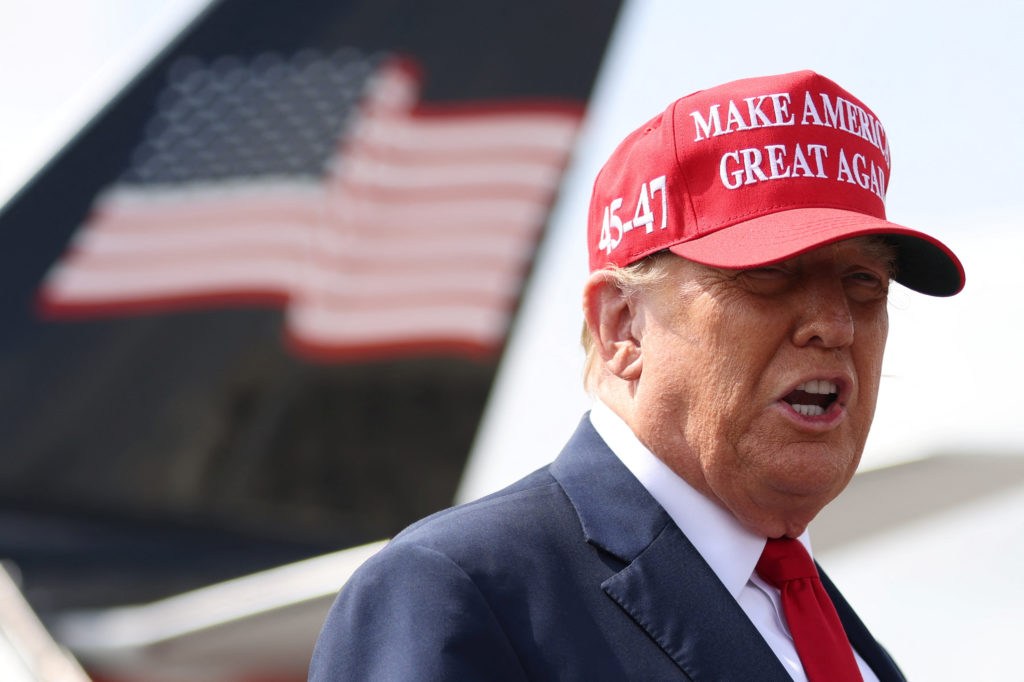
Former President Donald J. Trump criticized Jewish voters who support Democrats, stating that "any Jewish person that votes for a Democrat or votes for Biden should have their head examined." This marks the third time in the last month that Trump has cast aspersions on Democrat-supporting Jewish voters, drawing criticism for reviving an antisemitic trope. Trump's comments have been condemned as divisive, with critics accusing him of using division and hate as political weapons while seeking power for himself.
Donald Trump criticized Jewish voters who support Joe Biden, framing the election as a test of Christianity's strength in the U.S. He accused Biden of losing control of the Israel situation and abandoning Israel, while emphasizing his support for conservative Christian values. Trump's remarks also touched on LGBTQ rights and abortion, positioning himself to the left of some Christian right activists on the latter issue. Biden's campaign condemned Trump's divisive rhetoric and emphasized the president's commitment to all Americans, including transgender individuals.